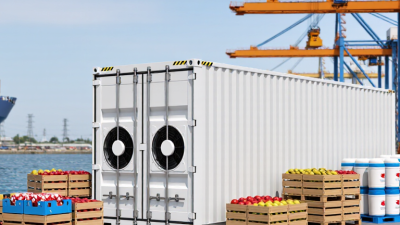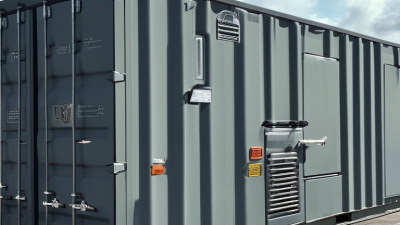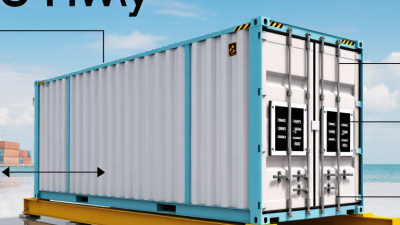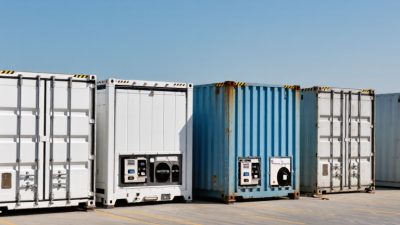

Choosing the right reefer container starts with understanding the cargo, not the equipment brochure. Fresh produce, frozen meat, pharmaceuticals, and flowers may require different temperature ranges and airflow patterns. A container that protects one product could damage another. That difference matters.
In practical operations, I check the required setpoint, ventilation, humidity, cargo volume, and journey length. I also confirm the container’s internal dimensions and door clearance. A few centimeters can affect pallet loading. The refrigeration unit should hold a stable temperature during port delays, inland transport, and vessel loading. Ask for recent maintenance records, pre-trip inspection results, and temperature-monitoring data. A clean interior is important, but so are the evaporator, drains, seals, and power connections. Small faults become expensive quickly.
Reliable decisions should combine field experience with manufacturer guidance and carrier requirements. Work with qualified technicians when inspecting the refrigeration system. Independent checks can reveal problems hidden by a fresh coat of paint. Consider total operating cost, including electricity use, servicing, monitoring, and possible cargo loss. The cheapest reefer container may not be the safest choice. Still, specifications alone cannot answer every question. Real cargo behavior is sometimes less predictable than planned. Test loading, review previous shipment data, and allow a practical safety margin. This guide explains the main selection factors, helping you compare equipment with clearer evidence and fewer assumptions.
Choosing a reefer container starts with the cargo, not the paint or exterior size. Standard reefers suit most chilled and frozen shipments, while high-cube models provide extra internal height for palletized produce. Some units support controlled-atmosphere storage, which adjusts oxygen and carbon dioxide levels. That feature helps selected fruits, but it cannot replace proper cooling.
Mechanical reefers use vapor-compression systems, fans, sensors, and insulated panels. The compressor removes heat, while internal fans distribute cold air through the load. Frozen cargo may require settings near -18°C, while chilled products often need temperatures between 0°C and 5°C. Setpoints are not cargo temperatures. The product may need many hours to stabilize.
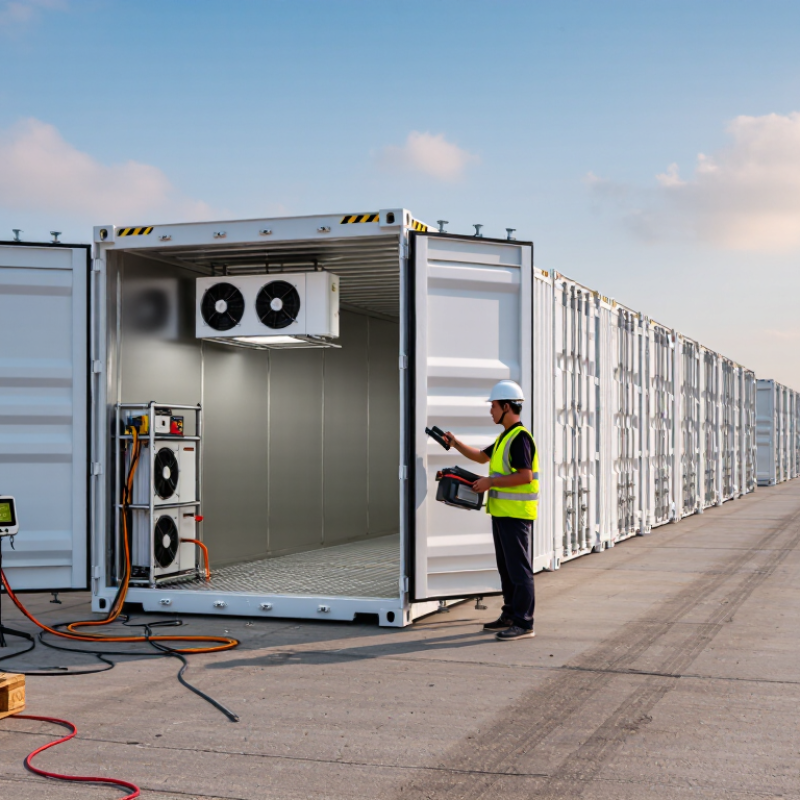
A diesel or electric genset keeps the system running during road, rail, and terminal moves. Check its fuel capacity, electrical compatibility, and alarm history. Drewry’s Reefer Shipping Annual Review and Forecast 2024 estimated seaborne reefer trade at roughly 157 million tonnes in 2023, showing why equipment reliability matters at scale. UNCTAD’s Review of Maritime Transport also identifies refrigerated containers as a growing part of specialized container demand. Small failures become expensive quickly.
Before booking, review the pre-trip inspection, temperature-recording method, airflow pattern, and service response. Leave space beneath pallets. Never block the return-air channel. A neat specification sheet can still mislead. In practice, cargo loading mistakes often defeat a capable cooling system. Temperature sensors also deserve skepticism; one reading cannot represent every carton.
How to Choose the Right Reefer Container?
Choosing a reefer container starts with the cargo, not the container size. Review the product specification, packaging, loading pattern, and expected transit time. Fresh produce may require 0°C to 5°C, while frozen goods often need -18°C or lower. These ranges are examples, not universal rules. Some products suffer when temperatures change too quickly.
Check the cargo’s actual pulp temperature before loading. A reefer maintains temperature; it may not cool warm cargo efficiently. Pre-cool the container and cargo when the handling plan requires it. Leave clear air channels between cartons and avoid blocking the floor return vents. A small gap can protect airflow. Use calibrated temperature loggers near the load, not only beside the control panel.
Storage conditions also matter. Confirm humidity needs, ventilation settings, ethylene sensitivity, and whether the packaging can withstand condensation. Produce may need fresh-air exchange, while frozen cargo usually needs stable, dry conditions. Inspect door seals, drain areas, and the evaporator before loading. These details are easy to overlook.
I once assumed a wider temperature range would provide extra safety. That assumption was weak. A cargo-specific range is usually safer than a flexible setting. Record the setpoint, cargo temperature, loading time, and logger position. Compare those records after delivery. The data may reveal that the selected container was suitable, but the loading process was not.
| Cargo Category | Typical Cargo Examples | Recommended Temperature Range | Relative Humidity / Ventilation | Suitable Reefer Configuration | Key Storage and Handling Conditions |
|---|---|---|---|---|---|
| Chilled Fruit | Apples, pears, grapes, citrus fruit | 0°C to +5°C (32°F to 41°F) |
High humidity, generally 85–95%; moderate ventilation to manage heat and respiratory gases | Standard refrigerated container with adjustable temperature and fresh-air ventilation | Load only pre-cooled cargo. Avoid blocking the floor air channels or the return-air path. Confirm the required setpoint for the specific fruit and variety. |
| Tropical Fruit | Bananas, mangoes, avocados, pineapples | Usually +7°C to +14°C (45°F to 57°F) |
Typically 85–95%; ventilation is important because produce continues to respire | Reefer with precise temperature control and adjustable ventilation | Do not expose temperature-sensitive tropical fruit to unnecessarily low temperatures, which may cause chilling injury. Follow commodity-specific ripening guidance. |
| Leafy Vegetables | Lettuce, spinach, kale, herbs | 0°C to +5°C (32°F to 41°F) |
Usually 90–95%; high humidity helps limit moisture loss | Standard reefer with accurate temperature control and suitable fresh-air exchange | Use clean, ventilated packaging. Maintain a continuous cold chain and prevent direct contact between cargo and evaporator discharge air. |
| Fresh Meat | Beef, pork, lamb, poultry | Approximately -1°C to +4°C (30°F to 39°F) |
High humidity; ventilation depends on packaging and hygiene requirements | Reefer capable of stable chilled operation, with strict sanitation controls | Product temperature, not only container air temperature, must remain within the required food-safety range. Use hygienic packaging and avoid temperature fluctuations. |
| Frozen Food | Frozen seafood, vegetables, prepared meals | -18°C or colder (0°F or colder) |
Humidity is less critical when cargo is properly packaged; keep doors closed | Deep-frozen reefer with sufficient cooling capacity and continuous monitoring | Pre-freeze cargo before loading. A reefer is designed mainly to maintain temperature, not to freeze warm cargo. Allow adequate airflow around the load. |
| Ice Cream and Temperature-Sensitive Frozen Goods | Ice cream, frozen desserts, specialty frozen products | Commonly -20°C to -25°C (-4°F to -13°F) |
Keep packaging dry; minimize door openings and condensation risk | High-performance reefer with reliable low-temperature operation and data logging | Use the product specification as the controlling requirement. Verify that the container can maintain the required setpoint during loading, transit, and delivery. |
| Pharmaceutical Products | Vaccines, biologics, medicines | Product-specific; common ranges include +2°C to +8°C or +15°C to +25°C | Usually controlled by packaging and product specifications rather than humidity alone | Temperature-controlled reefer with validated monitoring, alarms, and documented procedures | Use qualified packaging and calibrated data loggers. Review lane risk, alarm limits, excursion procedures, and regulatory documentation before shipment. |
| Flowers and Ornamental Plants | Cut flowers, potted plants, nursery stock | Commonly +1°C to +10°C (34°F to 50°F) |
Often 85–95%; ventilation must balance moisture control and ethylene sensitivity | Reefer with stable chilled control, adjustable ventilation, and good air circulation | Separate ethylene-producing cargo from sensitive products. Prevent dehydration, condensation, crushing, and exposure to freezing temperatures. |
| Temperature-Sensitive Chemicals | Specialty chemicals, laboratory reagents, selected coatings | Defined by the safety data sheet and product specification | May require dry conditions or protection from condensation | Reefer only when the product is approved for refrigerated transport and compatible with the equipment | Check the safety data sheet, compatibility, ventilation requirements, dangerous-goods rules, and whether the cargo can tolerate the reefer’s operating conditions. |
| Selection guidance: Choose the container according to the cargo’s required temperature, product temperature at loading, airflow needs, ventilation rate, humidity sensitivity, transit duration, and monitoring requirements. The displayed ranges are general planning references; the shipper’s product specification and applicable food, pharmaceutical, or dangerous-goods regulations take precedence. | |||||
Choosing a reefer container starts with the cargo, not the booking form. A 20-foot reefer usually offers about 27 cubic metres, while a 40-foot high-cube reefer provides roughly 67 cubic metres. Internal dimensions vary by equipment and insulation thickness. Verify the actual specification before loading.
Drewry’s Reefer Shipping Annual Review and Forecast 2024 estimates global seaborne perishable trade at approximately 139 million tonnes in 2023. That scale makes internal planning critical. A 40-foot unit suits dense palletized cargo and longer voyages. A 20-foot unit may perform better for heavy products with limited volume. Do not chase volume alone. Payload limits, pallet height, and airflow can reduce usable capacity.
The internal layout needs equal attention. Select a T-floor for palletized cargo and leave clear channels beneath the load. Keep cartons below the marked load line. Maintain space near the doors and evaporator outlet. A tight cube may look efficient, but blocked airflow can create warm pockets. It happens.
For standard pallets, test the loading pattern digitally, then confirm it physically. Consider pallet orientation, door clearance, bracing, and drainage. Hanging garments, seafood boxes, and produce often require different configurations. The cargo’s respiration rate also affects setpoint and ventilation choices. The International Institute of Refrigeration highlights temperature control as a central factor in preserving perishable quality across the cold chain. In practice, a perfect pallet count can still fail when packaging collapses or moisture accumulates. Leave a small operational margin, and question every “maximum capacity” figure.
Internal volume generally increases with container length: a 20-foot reefer is suitable for smaller shipments, while 40-foot and 45-foot high-cube reefers provide greater capacity for larger or palletized cargo. Actual usable space may vary according to insulation thickness, refrigeration equipment, airflow channels, and the required cargo-loading configuration.
Energy efficiency should be measured, not guessed from a polished exterior. Drewry’s Container Census 2024 places refrigerated equipment at roughly 6% of the global container fleet. That small share still creates significant power demand across terminals, vessels, and inland depots. Ask for recent kWh-per-day records at a defined setpoint, ambient temperature, and cargo load. Compare similar conditions, not attractive averages. A unit using 8% more electricity can become expensive during long voyages. Small differences accumulate.
Monitoring quality matters just as much. Look for continuous temperature, humidity, power, door-opening, and location records. Alerts should reach operators quickly, even when a container leaves network coverage. The UNCTAD Review of Maritime Transport 2024 highlights digital visibility as an important factor in supply-chain resilience. Yet connectivity alone proves little. Test the alarm workflow with a simulated temperature rise. Who receives the alert? How quickly can someone respond? Numbers reveal more.
Equipment condition deserves an honest inspection. Check door gaskets, drain lines, evaporator fans, cable sockets, insulation panels, and controller history. Corrosion around the machinery compartment often signals neglected maintenance. Request calibration certificates and compressor service records. I have seen clean-looking units hide weak seals and unstable sensors. That is easy to miss. A pre-trip test under load is more reliable than a short power-on check. No inspection is perfect, and older monitoring data may be incomplete. Record those uncertainties before selecting the container.
Choosing the right reefer container starts with the cargo, not the lowest quotation. Fresh produce may need stable cooling, while frozen goods require deeper temperature control. In practical loading work, a small temperature mistake can damage an entire shipment. Confirm the required range, humidity needs, ventilation settings, and container volume before comparing prices.
Purchase cost is only one part of the budget. Ask about electricity consumption, inspection fees, inland trucking, port handling, insurance, and possible detention charges. A cheaper unit may have older insulation or inefficient machinery. That difference becomes expensive during a long voyage. Request a complete cost sheet, not a persuasive headline figure.
Transport routes also affect equipment choice. Short coastal services may tolerate simpler planning, but long routes need reliable monitoring and backup procedures. Check transit time, transshipment points, seasonal weather, and destination port facilities. Supplier service capability matters just as much. Verify maintenance coverage, spare-part access, pre-trip inspection records, and emergency response hours. A dependable supplier should provide calibration certificates and clear operating instructions. Ask for references from comparable cargo movements. Talk to the service team, not only the sales representative.
I once underestimated inland power availability. It caused avoidable delays. That mistake still influences my checklist. No supplier is perfect, and vague promises deserve careful questioning.ccuntegn