
Global buyers entering the 2026 reefer market face more choices than simple box selection. A refrigerated container now combines insulation, airflow management, sensors, and digital control. Each feature affects cargo quality, energy use, and total transport cost.
Refrigeration researcher Professor Judith Evans captures the central risk: “The cold chain is only as strong as its weakest link.” Her observation remains practical. A modern refrigerated container cannot correct poor pre-cooling, incorrect loading, or delayed power connection. Small mistakes can appear later as soft fruit, damaged vaccines, or rejected seafood.
This guide examines the leading refrigerated container types expected to attract global buyers in 2026. It covers standard integral reefers, controlled-atmosphere units, super-freezer models, clip-on systems, and newer energy-efficient designs. Readers will see where each type performs best, from a chilled cargo vessel to a remote inland depot.
Specification details matter. Buyers should compare temperature ranges, humidity control, airflow patterns, generator compatibility, monitoring systems, and service availability. A unit reaching -40°C may sound impressive, but it may be unsuitable for ordinary chilled produce. A cheaper model may also consume more electricity during long ocean voyages.
The market is not perfectly tidy. Product names vary between manufacturers, and advertised efficiency figures may use different testing conditions. That deserves attention. Reliable decisions require real operating data, maintenance support, and clear cargo requirements. The strongest choice is rarely the most advanced container. It is the one that protects the load consistently, across every handover, port delay, and weather change.
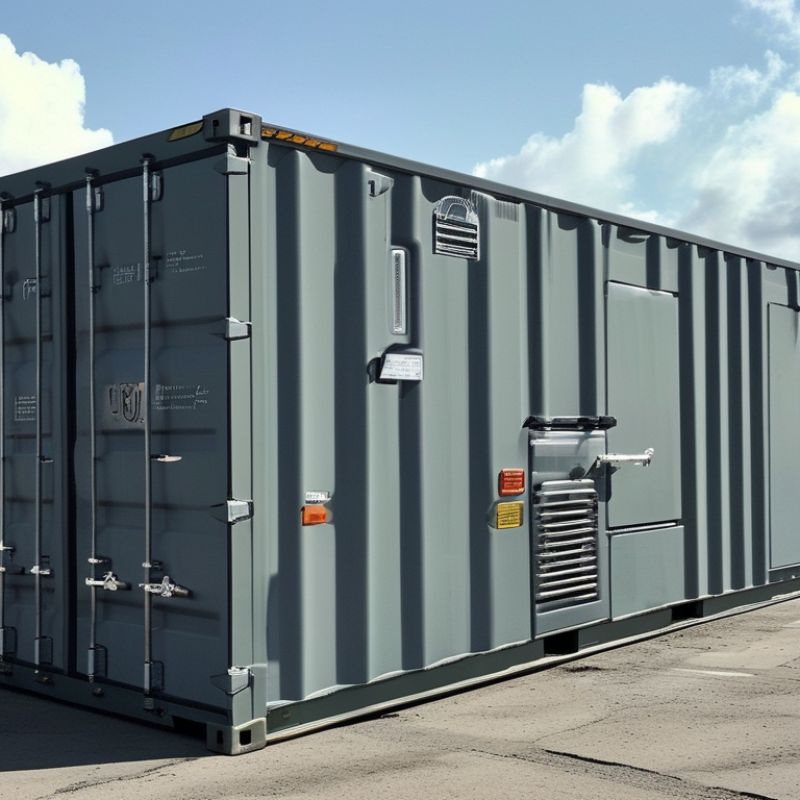
Refrigerated containers, or reefers, protect temperature-sensitive cargo during long ocean and inland journeys. Common types include standard reefers, controlled-atmosphere units, and models designed for frozen goods. Their insulated walls slow heat transfer, but they do not create cold cargo. The product should usually be pre-cooled before loading.
The cooling system uses a compressor, condenser, expansion valve, and evaporator. Refrigerant absorbs heat inside the container and releases it outside. Fans then circulate cold air through the load. Airflow matters as much as the temperature setting. Blocked floor channels, tight cartons, or uneven pallets can create warm pockets.
A setpoint is not a guarantee.
Buyers should check temperature range, airflow design, power requirements, and data-logging capability. Fresh produce may need controlled humidity or oxygen levels, while frozen cargo requires stable low temperatures. The container must also match the cargo’s loading pattern and voyage duration.
Field inspections often reveal simple failures. Doors may remain open too long. Drain holes can be blocked by packaging debris. Sensors may record air temperature, not the product’s internal temperature. These details deserve attention before departure. Even experienced teams can overlook them during busy port operations. A better process includes a pre-trip inspection, calibrated sensors, clean air passages, and clear instructions for every handler.
Standard refrigerated containers differ in volume, payload, and handling limits. The 20-foot reefer usually offers 28 to 30 cubic meters of internal space. Its maximum payload often approaches 27 to 28 metric tons, depending on local regulations and container tare weight. It suits dense cargo, such as frozen seafood, meat, or boxed produce.
The 40-foot reefer provides roughly 58 to 60 cubic meters of usable space. A 40-foot high-cube reefer normally reaches 67 to 68 cubic meters. These units work well for palletized vegetables, dairy products, and mixed chilled cargo. Capacity is not only about volume. Pallet height, airflow channels, and door clearance can reduce the practical load. Airflow matters.
A 45-foot high-cube reefer can provide about 85 cubic meters, but road and rail weight rules may limit its advantage. Buyers should check internal dimensions, maximum gross weight, temperature range, and power requirements before ordering. During loading inspections, leaving space near the evaporator and floor channels helps cold air circulate. Measure twice.
One overlooked detail is cargo respiration. Fresh produce may need controlled ventilation, while frozen goods require stable low temperatures. A container’s stated capacity cannot guarantee product quality. Pre-trip inspections, calibrated sensors, and temperature records remain essential. Specifications also vary between units, so relying on a general data sheet can create costly assumptions.
Refrigerated containers are not interchangeable boxes. Each design protects a different type of temperature-sensitive cargo during long ocean routes.
Frozen meat and seafood usually require stable temperatures near -18°C or below. These reefers need strong insulation, dependable airflow, and enough cooling capacity for dense loads.
Chilled vegetables often need 0°C to 4°C, but airflow must prevent cold damage. Leafy greens require ventilation and humidity control. Otherwise, they may arrive crisp outside but wilted inside.
Keep it cold. Yet cold alone is not enough.
Pharmaceutical cargo commonly uses specialized reefers with narrow 2°C to 8°C ranges. These units may include redundant sensors, remote monitoring, and validated temperature mapping. Buyers should request calibration records and review alarm response procedures before loading.
Controlled-atmosphere reefers suit selected fruits because they regulate oxygen, carbon dioxide, and humidity. This can slow ripening, but incorrect settings may damage flavor or texture.
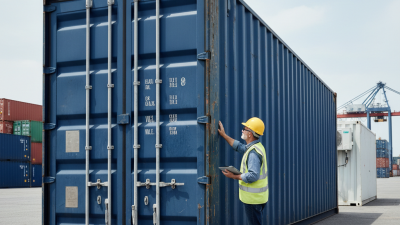
A practical inspection should check door seals, drain lines, airflow paths, and pre-cooling performance.
Small gaps matter.
Cargo packaging also changes the right container choice. Pallets should leave clear channels for circulating air. A data logger near the warmest expected location can reveal hidden temperature swings. Field inspections often find that loading plans look correct on paper but fail around tightly stacked cartons. That is a useful warning. Buyers should match the reefer to the product’s tested range, route duration, seasonal weather, and handling points. Even advanced equipment cannot repair poor loading discipline.
Power availability often decides whether a refrigerated container protects cargo or creates losses. Integral reefers use built-in electric cooling systems for stable ocean and terminal operations. They require dependable vessel or terminal power. Clip-on generator units can support inland moves where electrical outlets are limited. However, fuel planning becomes critical. I have seen delays begin with an empty fuel tank, not a failed compressor.
Temperature control should match the cargo, route, and loading pattern. Fresh produce may need controlled airflow and narrow temperature limits. Frozen goods require consistent low temperatures and fast recovery after door openings. Adjustable ventilation helps manage respiration-sensitive cargo. Multi-temperature designs offer flexibility, but they also increase operating complexity. More options do not always mean better performance.
Monitoring features now deserve the same attention as cooling capacity. Look for supply-air and return-air sensors, door alarms, power-loss alerts, and continuous data logging. Remote access can reveal temperature drift before a driver reaches the next depot. Sensor calibration records matter. Without them, a polished dashboard may still show unreliable information. I prefer systems with clear alarm histories, backup power for data storage, and exportable reports. No monitoring system is perfect. Signal loss, incorrect sensor placement, and rushed loading can still distort the picture. Buyers should test alarms under realistic conditions, including a brief power interruption and a partially opened door.
Choosing the right reefer container starts with the cargo, not the container price. Fresh produce often needs stable temperatures, while frozen seafood requires deeper cooling and tighter control. Standard integral reefers suit most shipments. Super-freezer units work better for cargo below -25°C. Controlled-atmosphere models may protect sensitive fruit during long ocean routes.
Drewry’s 2024 Reefer Shipping Annual Review estimated the global refrigerated container fleet at more than two million units. This figure shows strong availability, but not universal suitability. Buyers should check the required temperature range, internal volume, power connection, and ventilation settings. A container with 20 cubic metres of usable space may still fail when airflow is blocked by dense cartons. Measure the cargo carefully.
UNCTAD’s Review of Maritime Transport highlights continuing pressure on port efficiency and supply-chain reliability. Therefore, select equipment compatible with the ports and vessels on the planned route. Ask for recent pre-trip inspection records, temperature calibration results, and maintenance history. Check the unit’s energy use, especially for long inland transfers. A cheaper reefer can become expensive after repeated alarms, delays, or cargo loss. I have seen buyers focus too heavily on capacity. That choice can be shortsighted. Humidity, loading pattern, transit duration, and backup power deserve equal attention. Availability may also change before booking. Reconfirm the exact unit specifications with the operator.