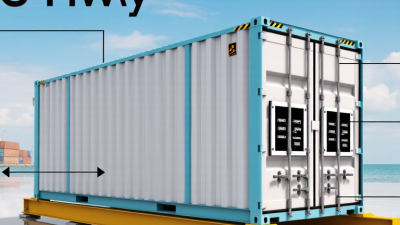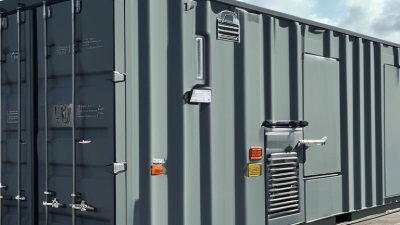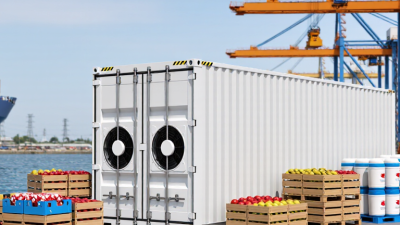

Choosing a freezer shipping container is not simply about finding the lowest price. The right unit must protect temperature-sensitive cargo through loading, transport, storage, and delivery. A practical buyer checks more than the paint and exterior condition. Internal volume, cooling capacity, insulation quality, power requirements, and service history matter greatly.
Professor Judith Evans, a refrigeration and food-processing specialist, offers a useful warning: “The cold chain is only as strong as its weakest link.” That principle guides this review of the 7 best freezer shipping containers for sale. Some containers are new and efficient. Others are refurbished, cheaper, and surprisingly capable. However, low prices can hide worn door seals, damaged floors, outdated refrigeration units, or expensive repairs.
Small details matter.
For example, a 20-foot container may suit a restaurant or regional distributor. A 40-foot model may serve larger inventories but require more space, electrical capacity, and handling equipment. Buyers should also confirm the operating temperature range, controller accuracy, pre-trip inspection records, and availability of replacement parts. Remote temperature monitoring can add confidence, especially during long storage periods.
This guide compares practical options for different budgets and cargo needs. It considers performance, condition, ownership costs, and supplier reliability. Still, no shortlist replaces an independent inspection. Photos can mislead. Even experienced buyers sometimes overlook power compatibility or condensation damage. That is why each recommendation deserves careful verification before payment, delivery, or installation.
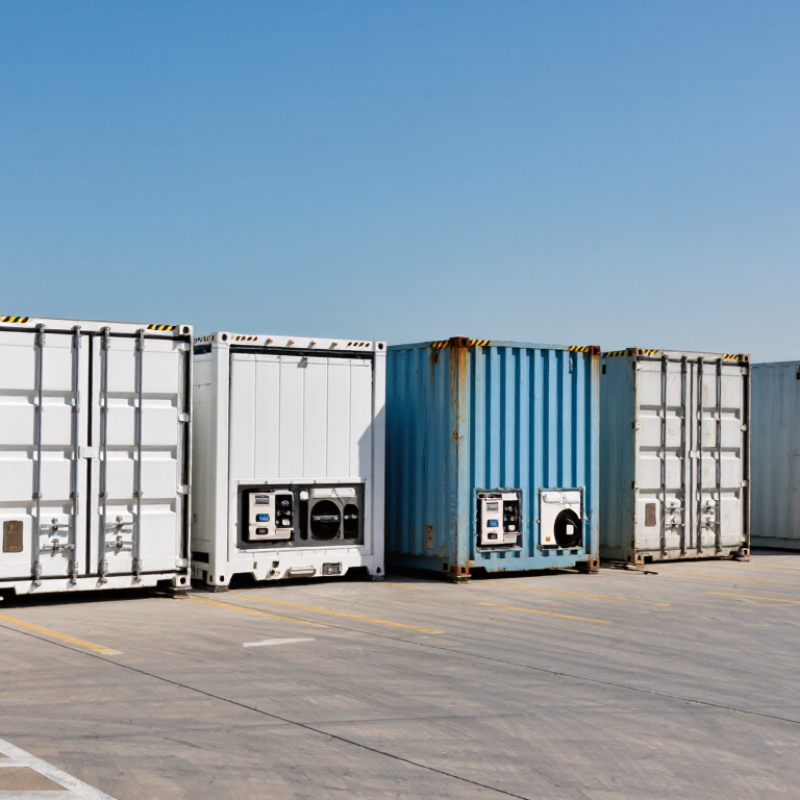
Freezer shipping containers differ mainly by cooling method, temperature range, and cargo capacity. Integral refrigerated containers use built-in compressors and forced-air circulation. They suit frozen seafood, meat, vegetables, and temperature-sensitive ingredients during ocean transport. Many operators set frozen cargo near -18°C, but the correct range depends on the product specification and loading plan.
Insulated passive containers rely on dry ice, gel packs, or phase-change materials. They work well for smaller pharmaceutical shipments, laboratory samples, and short delivery routes.
Active thermal containers use powered refrigeration, sensors, and data logging. These provide tighter control for high-value cargo, especially when temperature excursions could damage a shipment.
The World Health Organization states that many vaccines require strict temperature control, often between 2°C and 8°C, so a freezer container may be unsuitable.
Performance depends on more than the container itself. The United Nations Conference on Trade and Development reports that maritime transport carries over 80% of global merchandise trade by volume, making reliable cold-chain planning essential. The Food and Agriculture Organization reported that 13.2% of food was lost between harvest and retail in 2021.
Better freezing equipment can reduce waste, though poor packing still creates warm spots. I would not choose the cheapest unit automatically. Door seals, airflow, power backup, calibration records, and real-time alarms deserve equal attention. One overlooked detail can spoil an entire load.
When comparing the seven best freezer shipping containers for sale, start with temperature performance. Check the operating range, pull-down speed, and temperature stability during loading. A container that reaches -20°C but fluctuates widely may damage sensitive goods. Look for insulated walls, a tight door gasket, and an accurate temperature data logger. Small gaps matter.
Power requirements deserve equal attention. Compare energy use, plug options, backup power compatibility, and alarm functions. Ask whether the unit supports remote monitoring. During a site inspection, confirm the displayed temperature with a calibrated external thermometer. Displays can be wrong. I once underestimated how quickly frequent door opening increased internal temperature. Real loading tests are more useful than attractive product sheets.
Capacity should match your shipment, not your ambition. Measure usable floor space, internal height, pallet access, and cooling clearance. Shelving can improve organization, but it may reduce airflow. Check drainage, washable surfaces, corrosion resistance, and service access before buying. Request maintenance records, performance test results, and clear warranty terms. A low purchase price may hide costly repairs or weak insulation. Also review transport weight, lifting points, ventilation needs, and installation space. Some containers look portable until a narrow doorway becomes the real problem.
Compare typical internal volume and payload capacity across common freezer and refrigerated container formats. Actual specifications vary by manufacturer, insulation thickness, refrigeration unit, tare weight, and local transport regulations.
When buying, also verify the temperature setpoint range, power supply requirements, energy consumption, door configuration, floor condition, corrosion protection, data logging, and the container’s certification for international transport. The figures shown are industry-typical estimates intended for initial comparison rather than a purchase specification.
Seven Affordable Freezer Shipping Containers Worth Considering
Affordable freezer containers come in several practical forms. A used 20-foot reefer suits small warehouses, farms, and seasonal storage. A refurbished 20-foot model offers cleaner panels and tested refrigeration. Lease-return units can reduce purchase costs, but inspect compressor hours carefully. A used 40-foot reefer provides more floor space for pallets. A refurbished 40-foot high-cube model adds height for stacked cartons. Static reefer units work well beside processing areas. Insulated containers with external refrigeration may suit fixed sites, though they are less convenient for transport.
The cheapest option is not always the best. I would not trust a seller without temperature records. Ask for a pull-down test, insulation inspection, door-gasket check, and recent electrical readings. A freezer should hold its target temperature after loading, not only when empty. Confirm the power supply, phase requirements, drainage, and service access before purchase. Under ISO 1496-2, refrigerated containers require defined thermal and mechanical performance standards, but older equipment may need repairs.
Food waste makes reliable cold storage important. The FAO’s State of Food and Agriculture 2019 estimated that 14% of food is lost between harvest and retail. The International Energy Agency’s Future of Cooling report projects cooling-energy demand could more than triple by 2050. Energy efficiency matters. Choose insulated panels without crushed corners, a modern controller, and a refrigeration system with available parts. A lower-priced 20-foot unit may outperform a neglected 40-foot container when electricity and maintenance are included. The inspection is worth the inconvenience.
Choosing among seven freezer shipping containers requires more than comparing prices. The right option protects the product during handling, delays, and changing outdoor temperatures.
An insulated parcel box suits small frozen shipments and short routes. A phase-change-material shipper offers steadier control than ordinary gel packs. A dry-ice-compatible container works for products needing very low temperatures, but ventilation and carrier requirements need careful checking. Active refrigerated containers support longer journeys and larger loads. Pallet shippers reduce handling for bulk orders. Reusable hard cases provide stronger protection and lower waste over repeated use. A monitored container adds temperature records, which can help investigate damage claims.
Measure the product, packaging, and coolant before ordering. Leave enough internal space for safe airflow. Confirm the tested hold time, not only the advertised rating. Match that result against the longest realistic transit time. Include weekends, customs delays, loading queues, and warm delivery areas. A container rated for 72 hours may fail when a truck waits in direct sunlight. It happens.
Use a calibrated temperature logger whenever the shipment has meaningful value. Check whether the design keeps the entire load frozen, not just the center. Test one packed unit on a realistic route before purchasing in volume. My practical concern is simple: laboratory performance can look better than warehouse reality. Also inspect seals, drainage, lifting points, and cleaning requirements. Choose the container that fits your route and product, not the most impressive specification.
Freezer shipping containers vary widely in price. A used unit may cost less, but inspection, delivery, electrical conversion, and installation can change the final bill. Drewry’s 2024 reefer market review identifies fuel, equipment, and port charges as major operating-cost drivers. Buyers should request a written quote that includes transport, testing, taxes, and power requirements. A low purchase price can become expensive quickly.
Maintenance protects both cargo and equipment. Check door gaskets, hinges, drain lines, insulation, and condenser coils before loading. Keep coils free from dust and salt buildup. Schedule temperature calibration and inspect the data logger regularly. The Global Cold Chain Alliance emphasizes continuous temperature control across storage and transport. That sounds simple. It is not. One damaged seal can create warm spots near the doorway. Pre-cool the container, leave airflow around cartons, and avoid blocking evaporator outlets. IATA’s Perishable Cargo Regulations require handling procedures suited to the product and its temperature range. For ocean movement, confirm a valid equipment inspection, secure power, ventilation needs, and the container’s structural certification. USDA research reports that food loss remains significant across supply chains, with inadequate temperature control among contributing risks. I would also test the unit under load, not only when empty. Empty tests can hide problems. Record the setpoint, product temperature, departure time, and arrival condition for every shipment.
| No. | Container Type | Typical Purchase Price (USD) | Typical Validated Temperature Range | Common Capacity | Expected Hold Time | Maintenance Requirements | Safe Shipping Requirements | Best Use Case |
|---|---|---|---|---|---|---|---|---|
| 1 | EPS Foam Insulated Shipper Single-use passive container |
$15–$45 per unit | Approximately 2–8°C with gel packs; below 0°C only with a validated frozen-pack configuration | 2–15 L payload | 24–72 hours, depending on pack-out, season, and transit conditions | Keep dry; inspect foam, lid fit, and outer carton before every shipment. Replace if crushed or cracked. | Use a qualified pack-out; prevent coolant from contacting sensitive contents; seal the outer carton and add orientation and temperature labels when required. | Short domestic shipments of food, laboratory samples, and temperature-sensitive products |
| 2 | Molded Polyurethane Shipper Durable passive insulated box |
$35–$100 per unit | Approximately 2–8°C or frozen conditions when paired with an appropriate validated coolant system | 5–30 L payload | 48–96 hours in a qualified configuration | Clean and disinfect according to the contents shipped; check seals, hinges, and insulation for damage; store away from direct heat. | Use preconditioned gel packs or frozen packs as specified by the pack-out design; use absorbent material for liquids and maintain product separation from coolant. | Routine medical, food, and pharmaceutical shipments requiring stronger insulation than basic foam |
| 3 | Vacuum Insulated Panel Shipper High-performance passive container |
$70–$220 per unit | Approximately 2–8°C or frozen temperatures, subject to the manufacturer’s validation data | 5–25 L payload | 72–120 hours under validated conditions | Do not bend, puncture, or compress panels; inspect for dents and loss of vacuum; clean the liner and replace damaged components. | Follow the exact loading pattern; avoid gaps that permit shifting; use a data logger for regulated or high-value shipments. | Longer transit times, international parcel shipping, and products with narrow temperature limits |
| 4 | Dry Ice Insulated Shipper Frozen passive container |
$40–$150 per unit, excluding dry ice | Generally below −20°C while dry ice remains available; the actual product temperature depends on the pack-out | 5–25 L payload | 24–96 hours, based on dry-ice mass, insulation, ventilation, and ambient conditions | Inspect insulation and vent paths; never seal the container airtight; remove residue and replace damaged outer packaging. | Dry ice releases carbon dioxide gas. Use approved venting, required dry-ice markings and documentation, and confirm the carrier’s current dangerous-goods limits before tendering. | Frozen biological samples, specialty foods, and other products requiring subzero transport |
| 5 | Reusable Hard-Shell Passive Container Returnable insulated case |
$150–$500 per unit | Approximately 2–8°C or frozen, depending on coolant modules and validation | 10–80 L payload | 48–120 hours in a validated configuration | Wash and sanitize after each use; inspect latches, gaskets, handles, liners, and insulation; record damage and service dates. | Secure the lid and internal payload; use tamper-evident seals when needed; confirm reverse-logistics instructions for returnable equipment. | Frequent shipping programs where the higher initial cost is offset by repeated use |
| 6 | Active Temperature-Controlled Parcel Container Powered portable refrigeration unit |
$1,500–$6,000 per unit | Commonly 2–8°C; some systems support frozen set points with suitable power and configuration | 20–200 L payload | Typically 24–72 hours on battery, depending on set point and ambient temperature | Charge and test batteries; calibrate sensors; clean air paths; inspect cables, fans, seals, and alarms before dispatch. | Verify battery transport rules, power availability, operating orientation, alarm status, and contingency procedures for delays or power loss. | High-value products, strict temperature limits, and shipments that cannot rely solely on frozen packs |
| 7 | Portable or ISO Refrigerated Container Large active reefer container |
$8,000–$30,000 used; $35,000–$80,000 new | Approximately −25°C to +10°C, depending on equipment and operating conditions | Approximately 20–67 m³, depending on container size | Continuous operation while connected to reliable electrical power | Schedule refrigeration-unit servicing; clean condenser coils; inspect door gaskets, drains, flooring, electrical connections, and refrigerant-system performance. | Pre-cool before loading; maintain airflow around cargo; avoid blocking return-air channels; use a backup power plan and monitor temperature continuously. | Palletized frozen food, large laboratory loads, warehouse overflow, and multimodal freight |