
News & Blogs

China Top Second Hand Shipping Containers for Sale

China has become a major source of second hand shipping containers for storage, construction, farming, and transport projects. Buyers often seek reliable units at lower costs than new containers. Yet price alone cannot define quality.

This guide introduces leading options for second hand shipping containers available from Chinese suppliers. It focuses on practical buying decisions. Readers will learn how to compare container grades, dimensions, floor conditions, door seals, and corrosion levels. A used container may show faded paint, small dents, or surface rust. These signs do not always indicate serious damage. However, weakened corner posts or leaking roofs require careful attention.

Inspection matters greatly.

Experienced suppliers should provide clear photographs, inspection records, production details, and honest condition reports. Buyers should also confirm the CSC plate when international shipping is planned. Local building rules may apply when containers become offices, workshops, or storage rooms. Professional advice can prevent expensive surprises. Freight distance, port handling, customs documents, and unloading equipment also affect the final budget.

This topic does not promise that every listed supplier is perfect. Product quality can vary between batches. Photographs may miss odors, hidden moisture, or uneven flooring. That limitation deserves attention. A careful buyer should request recent videos, measurements, and written terms before payment. Comparing several quotations creates a more dependable view of market value. With realistic expectations and documented checks, China’s used container market can support practical, safe, and cost-conscious projects.
China Top Second Hand Shipping Containers for Sale

China’s Used Shipping Container Market: ISO 668 Sizes, Grades, and TEU Units

China’s used shipping container market is easiest to compare through ISO 668 sizes and TEU units.

A standard 20-foot container measures about 6.058 meters long, 2.438 meters wide, and 2.591 meters high. It equals one TEU.

A standard 40-foot unit measures about 12.192 meters long and represents two TEUs.

High-cube containers add height, usually reaching 2.896 meters.

Small differences matter when planning doors, foundations, and transport access.

The market contains several practical grades.

Cargo-worthy units can support approved shipping operations after inspection. Wind-and-watertight containers suit storage, workshops, and site offices, but may need floor or door repairs. As-is units cost less. Their condition can vary sharply.

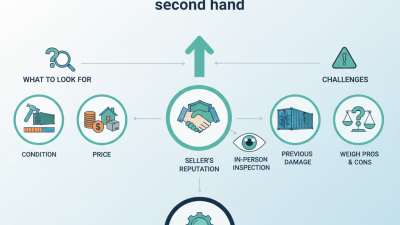
Inspect corner posts, locking bars, roof patches, floor odor, and corrosion around the lower rails.

The UNCTAD Review of Maritime Transport 2024 reported global container port throughput of about 858 million TEUs in 2023, showing the scale behind continued equipment circulation. However, this figure does not measure China’s second-hand sales directly. That limitation deserves attention.

Buyers should request recent photos, external dimensions, manufacturing year, repair records, and an inspection report before comparing prices. A 40-foot container is not always twice as useful. Road limits, crane capacity, and local delivery costs can change the calculation.

How to Evaluate Container Condition: CSC Plates, 10–15-Year Service Life, and Repairs

China Top Second Hand Shipping Containers for Sale

How to Evaluate Container Condition: CSC Plates, 10–15-Year Service Life, and Repairs

A used shipping container can look solid from a distance but hide serious wear. I inspect the roof, corner posts, door frames, and underside before considering a purchase. Fresh paint is not proof of good condition. It may cover rust, dents, or previous repairs.

Check the CSC plate carefully. It should show identification details, maximum weight, inspection information, and a valid examination date. A plate supports safe transport use, but it does not replace a physical inspection. Dates can be misunderstood. Verify the plate against available records and the container’s actual condition.

Most containers provide about 10–15 years of practical service, depending on climate, handling, and maintenance. Harsh coastal air can weaken steel faster.

Look for bubbling paint, pinholes, cracked welds, and water stains on the plywood floor. Open both doors. They should move smoothly and close without forced pressure.

Repairs need closer attention. A professional repair may include clean welds, matching steel, sealed seams, and controlled corrosion treatment. Uneven patches deserve questions. So do soft floors and doors that sag. Small dents may be acceptable for storage, but structural damage needs expert review.

Bring a flashlight.

I also test the seals during a daylight inspection. If light enters around the doors, rain may enter later. My judgment can still be imperfect, especially when old paint hides layered repairs, so written inspection records and clear photographs matter.

Top Chinese Supply Regions: Ports, Factory Output, and 20ft/40ft Availability

China’s second-hand shipping container supply is concentrated around major coastal ports and nearby industrial zones. Shanghai, Ningbo, Qingdao, Tianjin, Shenzhen, and Guangzhou often provide broader depot choices. These locations receive regular container flows, so used units may be available in several grades.

Port depots usually offer faster collection and clearer inspection records. Inland factories can provide better pricing, especially when they handle refurbishment or customized repairs. However, transport costs may reduce the saving. Check the distance to your project site before confirming an order.

20ft containers are generally easier to source for storage, workshops, and small construction projects. 40ft units offer more floor space, but availability changes more sharply with export demand. High-cube models can be harder to find in consistent condition. Stock moves quickly.

A careful buyer should request recent photos, external measurements, door operation videos, and the container’s identification details. Inspect the roof, corner posts, floor, and door seals closely. Rust near the lower rails deserves attention. So does standing water.

Factory output can improve consistency, but “refurbished” does not always mean fully renewed. This is where my own buying experience has taught me to ask better questions. A clean exterior may hide floor damage. Port stock may look rough but remain structurally sound. Availability is not always tidy. Confirm grade, quantity, loading date, and inland delivery charges in writing before payment.

Second-Hand Container Pricing: Steel Grade, Cargo-Worthy Status, and Freight Costs

China Top Second Hand Shipping Containers for Sale

Second-hand container pricing depends heavily on steel grade, condition, and inspection history. Most durable units use weather-resistant steel designed for repeated ocean exposure. Prices vary. Check corner castings, side rails, roof panels, and the bottom frame for deep corrosion. A freshly painted container may look excellent, but paint can hide pitting. This is where buyers sometimes misjudge value.

Cargo-worthy status usually adds a clear premium. A suitable unit should have sound doors, locking bars, floor panels, roof seams, and structural frames. Ask for recent inspection photos, repair records, and accurate internal dimensions. An inspection report helps, but it should not replace careful verification. Small leaks may appear only during hose testing. That detail is easy to miss. A cheaper container may require new flooring, door seals, or corner repairs, increasing the real purchase cost.

Freight costs can change the final price sharply. Request a quote from the loading port to the actual delivery location. Include ocean freight, terminal handling, documentation, inland transport, and unloading equipment. These charges are often separated from the container price. Freight is not a footnote. A lower-priced unit can become expensive after inland delivery. Compare landed costs, not only online listings. Pricing is never perfectly tidy, and even experienced buyers can overlook seasonal freight changes or local access problems.

Buying and Importing from China: Inspection Standards, ISO 6346 Codes, and Delivery Terms

China Top Second Hand Shipping Containers for Sale

Buying a used shipping container from China requires more than checking exterior photos. Ask for recent inspection images, dimensions, production year, repair records, and the CSC safety plate. Inspect the roof for patched holes, the floor for soft spots, and the corner posts for distortion. Door gaskets should close evenly, without daylight showing through. A simple water test can reveal leaks, although it is not a complete inspection. A clean photo is not proof.

Verify the ISO 6346 identification code before shipment. It normally includes three owner-code letters, an equipment category letter, six serial digits, and a check digit. The code should match the container plate and sales documents. Confirm whether the unit is suitable for storage, transport, or a modified project. Requirements may differ. An independent surveyor can measure damage more objectively, especially when the buyer cannot visit the depot.

Delivery terms must be written clearly. Under FOB, the buyer usually manages the main sea freight after loading. CIF includes freight and insurance to the named port, but destination charges may remain unpaid. FCA or DAP can fit different transport plans. Clarify customs documents, inland delivery, unloading equipment, insurance limits, and responsibility for demurrage. Small wording matters. I would also request a final pre-shipment inspection, because earlier photos may not show later handling damage.