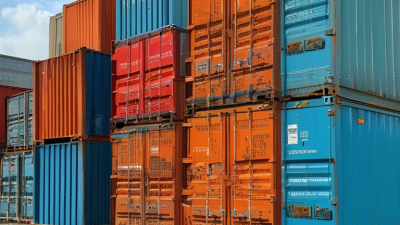

Choosing the right transport container is not simply a matter of selecting the largest box available. It is a practical decision involving cargo protection, handling equipment, route conditions, and operating costs.
Container pioneer Malcolm McLean captured the central principle: “The container made it possible to move cargo from one mode of transport to another without handling the cargo itself.” His observation still matters today. A well-designed transport container should move smoothly between trucks, ships, rail systems, and storage areas. It should also protect goods from moisture, impact, vibration, dust, and temperature changes.
The following ten tips examine the details that are often overlooked. They cover container dimensions, payload limits, construction materials, ventilation, internal fittings, door security, inspection routines, and compatibility with lifting equipment. Route planning also deserves attention. A container used for short warehouse transfers may not suit a long international journey.
Small errors become expensive.
For example, a weak floor can fail under concentrated loads, even when the total cargo weight appears acceptable. Poor ventilation may create condensation inside a sealed unit. An oversized container can also increase handling costs and leave cargo unstable during movement.
There is no perfect choice for every shipment. That is worth admitting. Even experienced logistics teams sometimes prioritize price and later discover hidden maintenance or loading problems. Reliable selection requires measured specifications, realistic handling conditions, and advice from qualified suppliers. It also requires compliance with applicable safety, transport, and environmental requirements. This guide offers a structured way to compare options before the container reaches the loading bay.

A transport container should match its contents, not merely its external size. Begin by identifying the product’s sensitivity to heat, cold, shock, vibration, moisture, and light. A 2–8°C medical shipment needs different protection from dry goods or fragile instruments.
Write the transport conditions before choosing materials. Record the expected route, handling time, seasonal temperature range, loading method, and storage position. For air freight, consider pressure changes and airport delays. For road transport, plan for repeated vibration and sudden braking.
Industry testing guidance from the International Safe Transit Association includes drop, compression, and vibration assessments for packaged shipments. A container that survives one careful test may still fail during a crowded transfer.
Match the internal space to the contents. Empty areas can increase movement and impact damage. Use restraints, cushioning, dividers, or thermal insulation where appropriate. Add calibrated temperature indicators when temperature evidence matters.
The International Air Transport Association’s temperature-control guidance emphasizes documented handling procedures and clear acceptance limits. Labels alone cannot protect a poorly prepared load.
Choosing the right transport container starts with the cargo, not the catalogue. Measure length, width, and height. Record gross weight, including packaging and pallets. Locate the center of gravity. Check pallet compatibility. ISO 6780 identifies common pallet footprints, including 1,200 × 800 mm and 1,200 × 1,000 mm. Leave practical clearance for loading and handling. Too much empty space can increase movement and impact risk. Too little space can damage corners and closures.
Capacity needs closer inspection. Check the container’s rated payload, floor rating, and allowable point load. A heavy machine may overload one small area, even when total weight remains acceptable. Confirm stacking strength for warehouse storage. Review the lid, doors, hinges, and tie-down points. ASTM D4169 testing guidance supports evaluating distribution hazards, including vibration, compression, and repeated handling. Static strength alone is not enough. The route matters.
Securement must match real movement. U.S. Federal Motor Carrier Safety Administration rules reference 0.8g forward deceleration, 0.5g rearward acceleration, and 0.5g lateral acceleration for cargo securement. Use these values when reviewing restraints and load paths. Recheck after a short handling trial. A container can pass weighing yet fail at a weak floor joint. I have seen teams trust nominal capacity too quickly. That assumption deserves challenge. Mark uncertain loads, inspect contact points, and choose a stronger design when measurements remain incomplete.
Choosing a transport container starts with the material, not the price. Compare recycled plastic, virgin polymer, aluminum, and corrugated fiberboard against the cargo’s weight, moisture, and temperature. The OECD’s Global Plastics Outlook reports that only 9% of plastic waste was recycled globally in 2019. That makes repairability and recycled content practical evaluation points. Check wall thickness, joint quality, closure strength, and compatibility with cleaning chemicals. Small cracks often begin around handles and corners.
Durability needs evidence under real handling conditions. Review compression, vibration, drop, and stacking results from ISTA test procedures or ASTM D4169. A container surviving one laboratory drop is not automatically suitable for repeated warehouse use. Measure empty weight, usable volume, and nesting efficiency. These details affect fuel use and storage space. A heavier container can feel safer. That assumption needs testing. Field inspections should examine scuffed bases, loose lids, warped panels, and damaged hinges after several delivery cycles.
Environmental protection includes more than weather resistance. Check sealing against rain, dust, condensation, and sudden temperature changes. Use data from ISO 4180 or equivalent packaging performance tests when selecting moisture barriers. The World Bank projects global waste generation could reach 3.4 billion tonnes annually by 2050, so end-of-life planning matters. Prefer containers with replaceable parts, clear material identification, and established recycling routes. My own checklist can still miss local disposal limits. Ask suppliers for test reports, material declarations, service records, and documented life-cycle assumptions before approving a design.
10 Tips for Choosing the Right Transport Container
Check Security, Handling Features, and Regulatory Compliance
A reliable transport container should protect its contents during loading, movement, and temporary storage. I check door alignment, locking points, wall strength, and signs of forced entry. A simple seal helps, but it is not a complete security plan. Record seal numbers and inspect them before every transfer. Small gaps can expose larger weaknesses.
Handling features deserve equal attention. Look for forklift pockets, lifting points, stable bases, and clearly marked weight limits. Test the container when empty and loaded, because balance can change quickly. Rounded edges may reduce injuries around busy loading areas. Good handles matter, too. They are easy to overlook.
Regulatory compliance depends on the cargo, route, container design, and transport method. Confirm required labels, inspection records, material specifications, and temperature controls with a qualified compliance professional. Rules can differ between regions, so copied paperwork may create avoidable delays. I once focused heavily on physical security and nearly missed a documentation detail. That mistake changed my checklist. Now, I compare the container’s records with the shipment plan and keep inspection photos. Even careful teams can miss something. A second review is often worthwhile.
For dangerous-goods transport, packaging performance requirements become more demanding as the hazard increases. The UN Model Regulations specify reference drop-test heights of 1.8 m for Packing Group I, 1.2 m for Packing Group II, and 0.8 m for Packing Group III. When choosing a transport container, also verify locking security, handling access, load stability, labeling, and applicable national regulations.
Reference: UN Recommendations on the Transport of Dangerous Goods, Model Regulations, packaging performance tests.
10 Tips for Choosing the Right Transport Container
Compare the full cost, not just the purchase price. Ask for unit price, freight, cleaning, repairs, storage, and disposal fees. Then estimate cost per trip. A durable container may cost more initially, but repeated use can lower long-term spending. Track actual return rates. Empty returns can quietly damage savings. According to the OECD’s Global Plastics Outlook, global plastic waste reached 353 million tonnes in 2019, with packaging representing about 40%. That makes material efficiency commercially important, not merely environmental.
Check load capacity, nesting space, stack strength, and compatibility with pallets or automated handling. Select washable surfaces and replaceable components where practical. Request supplier data on expected service life, repair rates, and spare-part availability. Supplier support matters. Slow repairs can create expensive downtime. Set a written response-time target and test one shipment before a larger order. The World Bank projects global municipal waste could reach 3.40 billion tonnes annually by 2050. Reusable systems may reduce disposal volume, but only when return logistics work efficiently.
Compare suppliers on documentation, training, customization, and end-of-life recovery. Ask for product test methods, not vague durability claims. Review the supplier’s experience with similar weights, temperatures, and handling conditions. Calculate emissions across production, washing, transport, and disposal. Reuse is not automatically better. A container returned half-empty may perform poorly. My own practical bias is simple: pilot the container, measure damage and turnaround, then revise the specification. Initial assumptions are often wrong.