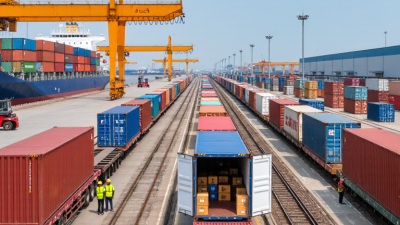

A 20 ft shipping container looks simple: corrugated steel, two doors, and a floor built for heavy use. Buying the right one is less simple. Condition, age, prior repairs, delivery access, and intended use can change its value sharply. Details matter.
UNCTAD’s Review of Maritime Transport 2024 reports that global port throughput reached 858 million TEUs in 2023, up 2.4% from 2022. That figure describes port activity, not container prices or availability, but it shows the scale of the system buyers enter. A single box is a small purchase within a vast logistics network. Yet its condition matters every day.
This guide examines what makes the best 20 ft shipping container to buy in 2026, including new, used, and one-trip options. It will cover practical checks: door seals, floor condition, visible corrosion, frame alignment, and the seller’s delivery terms. The nominal dimensions follow ISO 668, but usable space and condition still deserve careful inspection. A fresh coat of paint can hide problems. That is worth remembering. Prices and stock also vary by region, so any advertised “best deal” needs local comparison. No checklist removes every risk; an in-person inspection, where practical, can reveal details a listing misses.
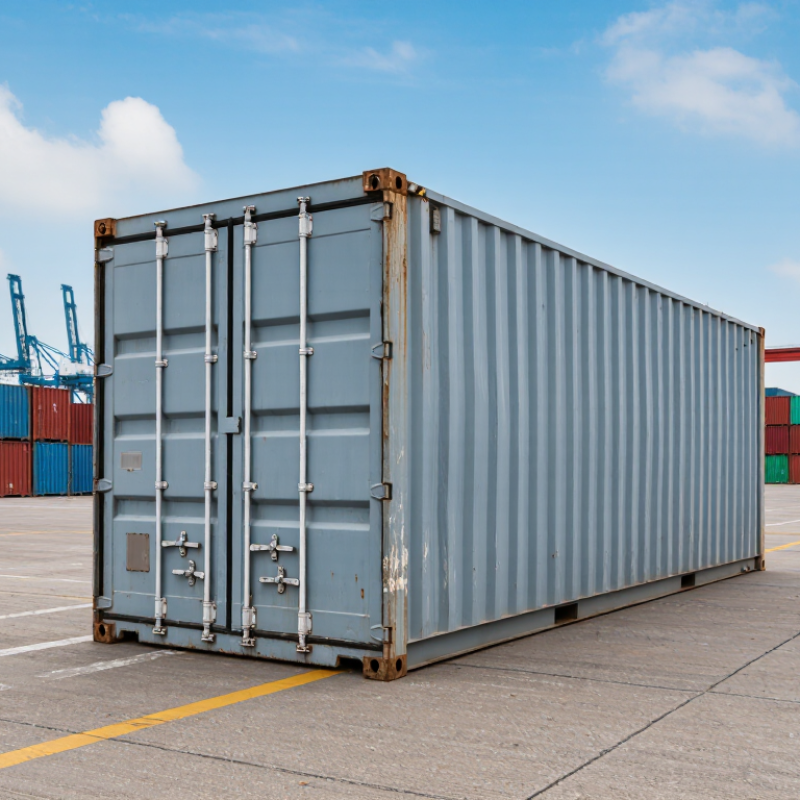
A standard 20-foot shipping container measures about 20 feet long, 8 feet wide, and 8 feet 6 inches high on the outside. Its interior is smaller because of the walls, floor, and roof. Many units offer roughly 1,170 cubic feet of space, but exact measurements vary by model and condition. Check the seller’s specifications before planning a tight fit. A pallet, shelving frame, or doorway may take more room than expected.
The standard height suits many storage and transport needs. For taller equipment, compare it with a high-cube container, which is usually one foot higher. Measure your site too: delivery trucks need room to position the unit, and uneven ground can complicate placement.
Small details matter. Before buying, inspect the door seals, hinges, floor, and lower corners for damage or standing water. Look for rust, patches, and signs of previous repairs; fresh paint alone proves little. The container’s data plate can help confirm its specifications and rated limits. I would not rely on a general payload estimate, since weight limits differ between units. A careful inspection takes time, and sometimes the best-looking unit is not the driest one.
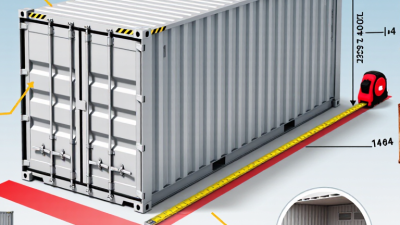
A 20 ft container is not a single specification. ISO 668:2020 gives standard external dimensions of 6.058 m long, 2.438 m wide, and 2.591 m high for a standard-height unit. Internal space varies with construction, so check the seller’s measurements before planning shelves or pallets. A standard dry container suits general storage; a high-cube model offers extra headroom, while a refrigerated unit adds insulation and machinery that require power and maintenance. Keep it simple.
Condition grades matter more than fresh paint. “One-trip” units are usually newer, while cargo-worthy units may show dents, patches, or surface rust yet remain suitable for transport if properly inspected. Wind-and-water-tight units are generally intended for storage, not automatically for freight use. The International Convention for Safe Containers requires covered containers to carry a valid safety approval plate; verify the plate and inspection records rather than relying on a grade label alone. ITCO’s 2024 Annual Review tracks a large, expanding global container fleet, but fleet growth does not tell you whether a specific box is sound. Look closely at door seals, floor boards, corner castings, and roof repairs. Bring a flashlight. I would still ask for dated photos and an independent inspection; photos can hide a lot.
A 20 ft shipping container can look affordable until delivery is added. Compare the purchase price with transport, unloading, site preparation, and any applicable taxes. Ask whether the quote includes placement or only delivery to the site entrance. Truck access matters: a narrow gate, soft ground, or overhead wires may require a different delivery plan. Get the full cost in writing, with fees clearly listed.
Tips: Request recent photos of the exact unit, not just a sample. Check the roof for dents or pooling, inspect door seals, and ask about floor condition and previous repairs. A used container may cost less, but its condition varies. New units are more consistent, though not always worth the extra expense for basic storage. I would still want to inspect one in person when possible.
Buying outright suits long-term use, while renting may fit a short project or uncertain plans. Some sellers offer financing, but compare the total paid, not only the monthly amount. Measure the intended space and leave room for doors to open. One detail is easy to miss: a level, firm base helps the doors work properly. Costs and delivery options vary by location, so confirm both before committing.
| Purchase Option | Typical Condition | Estimated Container Price (USD) | Estimated Delivery (USD) | Estimated Delivered Total (USD) | Best Suited For | Points to Check Before Buying |
|---|---|---|---|---|---|---|
| Used — wind and watertight | Previously used; generally protects contents from ordinary rain and wind. Cosmetic wear and repairs are common. | $1,400–$2,600 | $250–$900 | $1,650–$3,500 | Basic, budget-conscious storage where appearance is not a priority. | Ask for recent interior and exterior photos; inspect doors, seals, floor, roof, and visible corrosion. |
| Used — cargo-worthy | Used but assessed as suitable for cargo transport; condition and certification status can vary. | $1,800–$3,200 | $250–$900 | $2,050–$4,100 | Storage or projects where a stronger general condition is preferred. | Confirm what inspection or certification is included and whether any repairs are documented. |
| One-trip / near-new | Typically manufactured overseas, shipped once, and then offered for sale; usually has less wear than a used unit. | $2,800–$4,800 | $300–$1,000 | $3,100–$5,800 | Buyers who value cleaner appearance, newer doors, and fewer signs of prior use. | “One-trip” is a trade description, not a guarantee of perfect condition. Check the actual unit and delivery terms. |
| Used refrigerated container | Insulated unit with refrigeration equipment; condition depends on age, operating hours, and maintenance history. | $6,000–$12,000 | $400–$1,200 | $6,400–$13,200 | Temperature-controlled storage where a suitable power supply is available. | Request an operating test, service records, temperature range, power requirements, and details of any included warranty. |
| Container with delivery equipment or special placement | Standard container purchase; delivery may require a crane, tilt-bed truck, permit, or other site-specific service. | Add the selected unit price | Quote required | Quote required | Sites with limited access or where the container must be lifted into position. | Provide the delivery address, access width, overhead clearance, ground conditions, and placement requirements for an accurate quote. |
Planning estimates: Price ranges are indicative U.S. mainland estimates for 2026, not live offers or guaranteed market prices. Actual prices vary by location, inventory, condition, and seller. Delivery estimates assume a reasonably accessible site and standard unloading; taxes, permits, site preparation, difficult access, and crane service may cost extra. A typical standard 20 ft container has exterior dimensions of about 20 ft × 8 ft × 8 ft 6 in; exact dimensions, tare weight, payload, and capacity vary by unit. Confirm specifications and the delivered total in writing before purchase.
Before buying a 20-foot shipping container, inspect it in daylight and on level ground. Bring a flashlight, a tape measure, and work gloves. Check the roof from the ground for dents, standing water, or patches that may hide damage. Look closely at the corner posts and lower rails; deep bends can affect how the container sits or moves.
Open both doors fully. They should swing without forcing, and the locking bars should turn smoothly. Check the rubber seals for gaps, tears, and flattened spots. A thin line of daylight around a closed door can signal a leak. Step inside and look for rust-through, damp patches, and pinholes. A flashlight helps. So does a quiet moment after rain, when fresh drips may still be visible.
Smell the interior, too. A strong musty odor can point to trapped moisture, though odors alone do not prove the cause. Measure the inside if your equipment or stored items need a precise fit; usable space varies with the container’s design and condition. Ask for clear photos of the roof and floor if you cannot inspect in person, then compare them with what arrives. No check catches everything. I would still ask for time to inspect before accepting delivery, because a hurried look can miss a small hole near the floor.
2026 Best 20 ft Shipping Container to Buy?
Choosing a Supplier and Planning Delivery for 2026
A 20-foot container can suit storage, a workshop, or a small site office. Before comparing prices, confirm its exterior and door-opening dimensions. Internal space varies by model and condition. Ask the supplier for recent photos, a written condition description, and details of any repairs. If you plan to store equipment, check the floor condition and rated payload, too. A low quote is less useful if the doors stick or delivery costs arrive later.
A dependable supplier should explain what the price includes, such as inspection, transport, and unloading. Ask how the container will be delivered and what vehicle or lifting equipment is needed. Measure the entrance, overhead clearance, and turning area at your site. Check that the ground is firm and level, with room for the doors to open. One detail gets missed. I would also confirm the delivery date and what happens if access is blocked; plans do change.
Tips: Send the supplier site photos and measurements before booking. Keep the delivery route clear, and prepare solid supports at the container’s corners. Leave extra room for maneuvering. It sounds obvious, but narrow gates can make a straightforward drop-off difficult.
Indicative U.S. delivered-price ranges for a standard 20 ft container, by condition.
Used wind- and watertight containers are generally the lower-cost option; one-trip containers typically cost more and have less prior wear. These are broad planning estimates, not live quotes. Delivered prices vary by location, container condition, seller, and site access; confirm delivery, unloading, taxes, and any extra fees before buying.