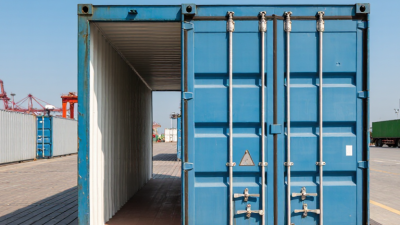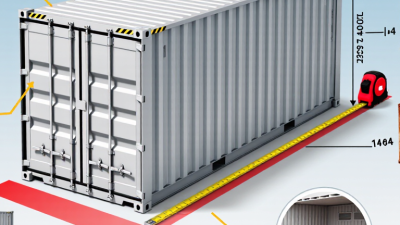

When people need extra space, a 20 foot storage container offers a practical and familiar solution. It is a steel, weather-resistant box designed for storage, transport, or temporary workspace needs. Most units measure about 20 feet long, 8 feet wide, and 8 feet 6 inches high. Internal dimensions vary slightly between manufacturers and container types. That difference matters.
A standard unit often provides around 1,170 cubic feet of usable space. It can hold household furniture, business inventory, tools, seasonal equipment, or renovation materials. Double doors at one end make loading easier, especially for bulky items. The steel walls protect contents from rain, dust, and ordinary outdoor exposure. However, protection is not the same as complete climate control. Condensation may still appear inside. Ventilation and moisture management deserve attention.
Reliable suppliers should provide clear specifications, delivery requirements, condition reports, and pricing details. Ask whether the container is new, refurbished, or previously used. Check the door seals, locking bars, floor condition, and roof for visible damage. A level, accessible placement area helps prevent shifting and awkward door operation. Local site rules may also affect delivery and placement. I have found that buyers sometimes focus only on size, then overlook access space. That is an easy mistake. The right 20 foot storage container depends on your materials, location, storage period, and protection needs. Careful inspection makes the choice more dependable.
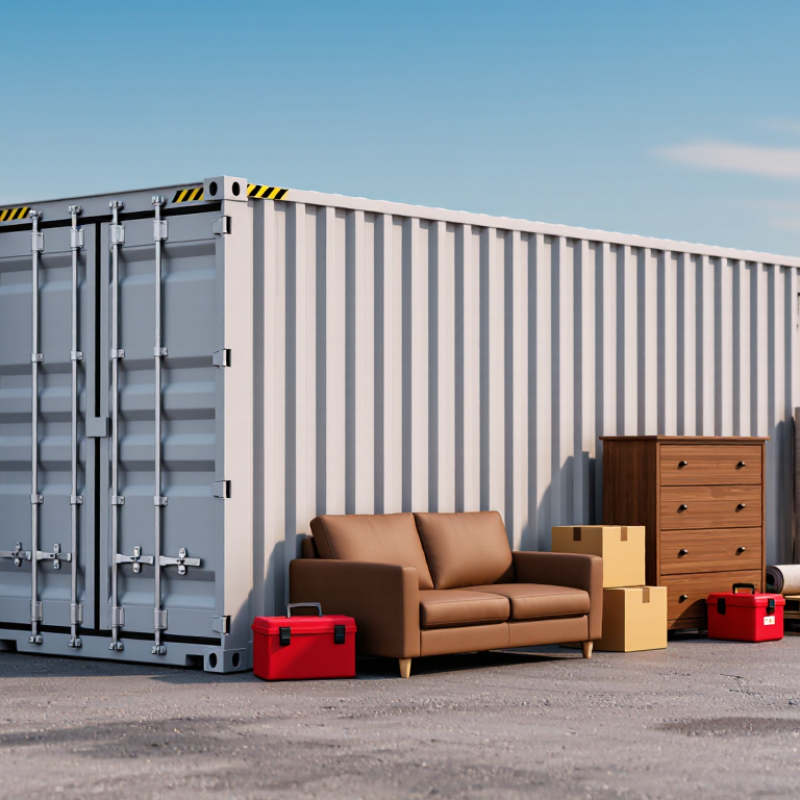
A 20-foot storage container is a standardized steel unit built for cargo transport and secure storage. Its standard classification follows ISO 668, which defines container sizes, dimensions, and structural requirements. The nominal external length is 20 feet, or about 6.058 meters. Its external width is usually 2.438 meters, while the standard height is approximately 2.591 meters.
The internal space is smaller because of wall panels, doors, and floor construction. A typical interior measures about 5.9 meters long, 2.35 meters wide, and 2.39 meters high. Usable dimensions may vary slightly between manufacturers and production years. That detail matters when storing pallets, machinery, or tall shelving.
A standard unit is commonly recognized through ISO size and type coding, often linked with the 20-foot general-purpose category. However, classification codes can look confusing. Checking the plate on the container remains the safer method.
Tips: Measure both the container and your largest item. Leave clearance near the doors for handling. Inspect the floor for moisture, soft areas, or uneven boards. Do not rely only on advertised capacity. Internal dimensions, door openings, and permitted payload can differ. I have found that a quick tape measurement prevents more mistakes than a polished specification sheet. Consider ventilation too, especially when temperature changes may create condensation.
What Is a 20 Foot Storage Container?
A 20-foot storage container offers about 33 m³ of nominal capacity. Its internal length is usually close to 5.9 meters, with an internal width of approximately 2.35 meters. These dimensions create a long, practical storage space for household goods, equipment, tools, and packaged materials.
Measure the doorway too. Internal volume does not equal usable volume. Door frames, corner posts, and uneven floor areas reduce the space available for loading. A standard unit commonly provides an internal height near 2.39 meters, although construction details can vary. Always check the supplier’s technical sheet before planning shelves or tall equipment.
A 5.9-meter length works well with pallets arranged in a single line or compact rows. Leave a narrow walking path if regular access matters. Packed boxes may fit neatly, but poor stacking can waste several cubic meters. Moisture control also deserves attention, especially when storing paper, textiles, or metal tools. Ventilation openings help, but they do not solve every condensation problem.
Capacity sounds precise.
In practice, loading technique changes everything. A hand trolley needs turning space, and fragile items need protective clearance. I would also recheck every measurement on site, because “standard” containers are not perfectly identical. A careful layout often matters more than the advertised 33 m³ figure.
A standard 20-foot storage container provides approximately 33 m³ of usable capacity. Its typical internal dimensions are about 5.90 m long, 2.35 m wide, and 2.39 m high. Actual measurements may vary slightly depending on the container specification.
What Is a 20 Foot Storage Container?
A 20-foot storage container usually measures about 6.06 meters long and 2.44 meters wide. Its maximum gross mass is commonly rated at 30,480 kg. This figure includes the container, cargo, packaging, and any securing equipment. It is not the same as the available payload. A standard empty unit often weighs between 2,200 and 2,400 kg. Therefore, the theoretical cargo allowance may approach 28,000 kg. Actual limits are usually lower. Road rules, axle loads, lifting equipment, and site conditions can reduce the usable payload.
The container’s safety plate should be checked before loading. It records the approved gross mass and other handling information. A certified scale provides better evidence than an estimate based on invoices. Cargo should be spread across the floor, rather than concentrated near one end. Heavy items need secure blocking to prevent movement during lifting or transport. Uneven weight can create dangerous pressure on the frame and floor. A common mistake is treating the 30,480 kg rating as a practical target. It may be technically correct, but not operationally sensible. Leave a margin when possible. Humidity, pallets, straps, and protective materials also add weight. Even a neat calculation can be wrong when small additions are ignored.
A standard 20-foot container measures about 6.058 meters long, 2.438 meters wide, and 2.591 meters high, according to ISO 668. Its frame commonly uses Corten weathering steel. This steel forms a protective surface layer, but it is not rust-proof. Salt air, standing water, and damaged paint can still create deep corrosion. Welds, door hinges, roof seams, and the floor deserve close inspection.
The CSC safety plate shows whether a container meets international structural and handling requirements. It records the approved gross mass, identification details, and inspection information. A valid plate does not make a neglected unit safe. The ISO 1161 corner castings transfer lifting forces through twist locks and handling equipment. Cracks, distortion, or heavy wear around these castings can become serious hazards. The World Shipping Council’s Containers Lost at Sea 2024 report recorded 221 containers lost during 2023. That figure is small beside global container movements, yet poor loading and weak structures remain real risks. A certificate cannot replace careful judgment.
A 20-foot storage container is a steel unit designed to move and store goods. A standard dry-cargo model usually measures about 6.06 meters long externally. Its internal volume is often close to 33 cubic meters, though dimensions vary by construction. It has solid walls, a weather-resistant roof, and locking doors. Dry cargo suits boxed stock, tools, furniture, and equipment that can tolerate ordinary temperatures. Shelving helps, but it can reduce usable space quickly. A simple floor plan matters.
A high-cube model adds roughly 30 centimeters of height. That small difference can accommodate taller crates or extra shelving. However, greater height does not automatically mean a higher safe payload. Check the rating plate, floor condition, and handling limits before loading. A refrigerated container, often called a reefer, uses insulated panels and a powered cooling unit. It can protect temperature-sensitive goods, but it needs reliable electricity, airflow, and regular monitoring. Set points are not magic. Warm loading or blocked vents can damage contents.
Open-top models have a removable roof, making them useful for tall or awkward cargo loaded by crane. Some use a flexible cover instead of a rigid roof, so weather protection requires closer inspection. In practice, the best choice depends on cargo dimensions, access, moisture exposure, and storage duration. A common planning mistake is choosing by length alone. Measure door clearance, turning space, and the packed load. The container may fit on paper, yet fail at the site.
| Container Variant | Primary Function | Typical External Dimensions (L × W × H) |
Typical Internal Dimensions (L × W × H) |
Approximate Internal Volume | Typical Maximum Payload | Common Uses | Important Characteristics |
|---|---|---|---|---|---|---|---|
| 20-Foot Standard Dry Cargo | General-purpose storage and transport of non-temperature-sensitive goods. | 6.06 × 2.44 × 2.59 m (20 × 8 × 8 ft 6 in) |
5.90 × 2.35 × 2.39 m (19 ft 4 in × 7 ft 8 in × 7 ft 10 in) |
Approximately 33.1 m³ (1,170 ft³) |
Approximately 28,000 kg (61,700 lb), subject to local road and equipment limits |
Furniture, tools, packaged goods, construction materials, household storage, and general cargo. | Weather-resistant steel shell, lockable rear doors, timber or composite floor, and standardized corner fittings. |
| 20-Foot High-Cube | General cargo storage where additional vertical clearance is useful. | 6.06 × 2.44 × 2.90 m (20 × 8 × 9 ft 6 in) |
5.90 × 2.35 × 2.69 m (19 ft 4 in × 7 ft 8 in × 8 ft 10 in) |
Approximately 37.4 m³ (1,320 ft³) |
Approximately 28,000 kg (61,700 lb), depending on tare weight and regulations |
Bulky but stackable goods, tall equipment, retail inventory, workshop storage, and modular projects. | Provides about 300 mm of extra height compared with a standard 20-foot container; requires more overhead clearance. |
| 20-Foot Refrigerated | Temperature-controlled transport and storage of chilled or frozen cargo. | Approximately 6.06 × 2.44 × 2.59 m (20 × 8 × 8 ft 6 in) |
Approximately 5.45 × 2.29 × 2.26 m (17 ft 11 in × 7 ft 6 in × 7 ft 5 in) |
Approximately 28–29 m³ (990–1,025 ft³) |
Approximately 27,000 kg (59,500 lb), depending on refrigeration equipment and regulations |
Food, pharmaceuticals, flowers, laboratory materials, and other temperature-sensitive products. | Insulated walls, powered refrigeration unit, airflow channels, controlled temperature settings, and regular electrical requirements. |
| 20-Foot Open-Top | Loading cargo that is too tall, too heavy, or difficult to load through standard rear doors. | 6.06 × 2.44 × 2.59 m (20 × 8 × 8 ft 6 in) |
Approximately 5.90 × 2.35 × 2.35 m (19 ft 4 in × 7 ft 8 in × 7 ft 8 in) |
Approximately 32–33 m³ (1,130–1,165 ft³) |
Approximately 28,000 kg (61,700 lb), subject to tare weight and transport limits |
Machinery, scrap metal, stone, timber, industrial components, and other top-loaded cargo. | Removable tarpaulin roof or detachable cover; cargo may be loaded by crane, but height and securing rules still apply. |
| 20-Foot Flat Rack | Transport of oversized, wide, or exceptionally heavy cargo. | Approximately 6.06 × 2.44 m Height varies by design |
Open platform; no enclosed internal volume | Not applicable | Often approximately 25,000–31,000 kg (55,100–68,300 lb), depending on frame design |
Vehicles, industrial machinery, pipes, construction equipment, and project cargo. | Open ends or collapsible end walls; cargo must be properly secured and may require special transport planning. |
| 20-Foot Insulated or Specialty Storage Unit | Protected storage where improved thermal stability is needed without active refrigeration. | Approximately 6.06 × 2.44 × 2.59 m (20 × 8 × 8 ft 6 in) |
Usually smaller than a standard dry container because of insulated wall thickness. | Typically approximately 28–31 m³ (990–1,095 ft³) |
Often approximately 25,000–28,000 kg (55,100–61,700 lb) |
Temperature-sensitive equipment, archives, electronics, specialty materials, and protected site storage. | Insulated panels may reduce condensation and temperature fluctuation, but the unit does not provide active temperature control unless equipped with a cooling system. |