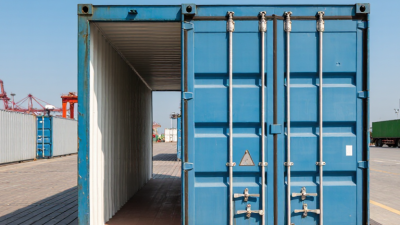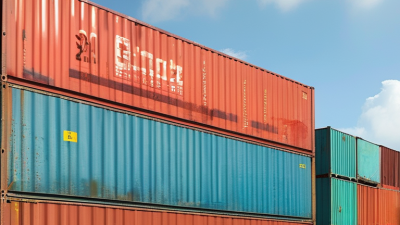

Choosing the right 20 ft shipping container begins with understanding your actual storage or transport needs. A standard unit usually offers about 33 cubic meters of internal space, but usable capacity depends on cargo shape and packaging. Measure the longest item, the widest point, and the highest packed load. A few centimeters can change the decision.
Consider the container’s condition carefully. Inspect the door seals, locking bars, roof, corner posts, and floor for damage or moisture marks. Surface rust may be manageable, but deep corrosion deserves closer attention. A clean exterior can hide problems. Ask the supplier for recent inspection photos, manufacturing details, and clear condition reports. Reliable sellers should explain repairs honestly, not simply promise “excellent condition.”
Think about placement and regular access. A fully loaded container needs firm, level ground and enough clearance for delivery equipment. Internal ventilation may matter when storing machinery, furniture, or boxed materials. If cargo requires frequent access, container doors, lighting, and shelving arrangements deserve practical review. Check local transport, site, and safety requirements before purchase or rental.
Budget for delivery, unloading, modifications, and possible maintenance. These costs are often overlooked. New containers provide cleaner surfaces and longer service potential, while used units may offer better value for short-term storage. However, age alone does not determine quality. The right choice balances dimensions, condition, security, location, and expected service life. Recheck your measurements before ordering. It sounds simple, yet many avoidable mistakes begin there.
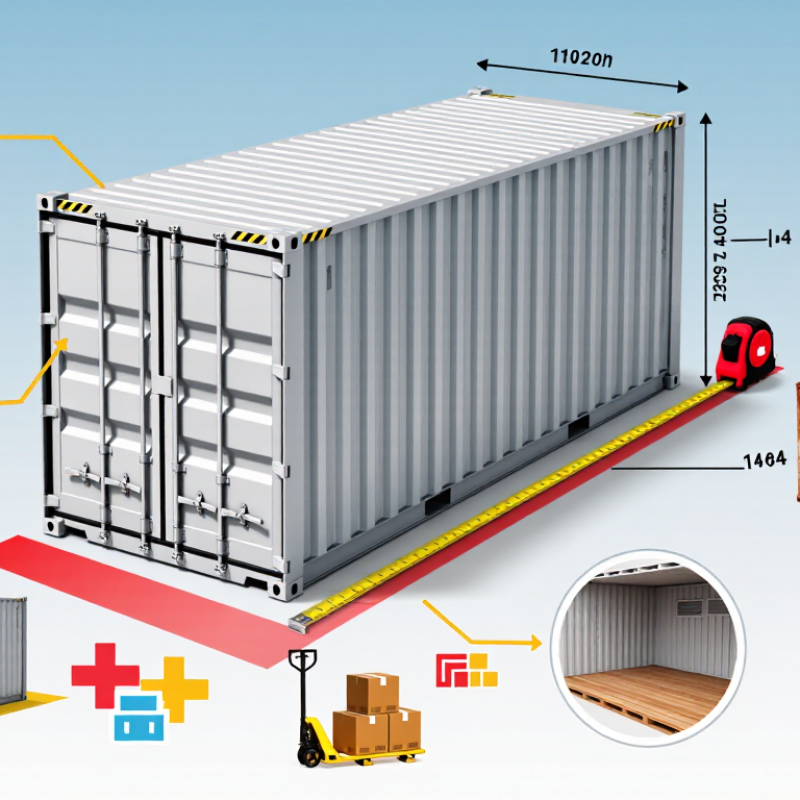
Choosing a 20 ft shipping container starts with identifying the cargo, handling method, and site conditions. A standard dry container is suitable for boxed goods, tools, furniture, and palletized materials. Its external dimensions are usually 20 ft long, 8 ft wide, and 8 ft 6 in high. The internal length is approximately 19 ft 4 in, but measurements vary slightly.
Check the details carefully. Standard internal volume is close to 33 cubic meters, while payload capacity often reaches about 28,000 kg. The maximum gross weight may be around 30,480 kg, yet the data plate remains the reliable source. Door openings commonly measure about 7 ft 8 in wide and 7 ft 5 in high. Measure your largest pallet, not just the average one.
Other container types solve different problems. A 20 ft high-cube unit offers extra internal height, usually 9 ft 6 in externally. Refrigerated containers maintain controlled temperatures but need continuous electrical power and ventilation clearance. Open-top containers suit tall or crane-loaded cargo, while flat racks handle oversized machinery. Side-opening designs improve access, though they may require greater structural inspection.
During inspections, look for daylight through the roof, soft flooring, damaged corner posts, and worn door seals. I once focused too much on volume and missed the turning space needed for delivery. That mistake was expensive. Specifications are useful, but the actual condition, certification plate, and loading plan deserve equal attention. Certified measurements may differ by manufacturer and repair history.
A 20 ft container suits many shipments, but cargo assessment should come before container selection. Measure each item, including pallets, protective packaging, and handling gaps. Standard internal dimensions are usually about 5.9 meters long and 2.35 meters wide, but actual measurements vary. Check the supplier’s specifications before loading.
Weight matters as much as volume. Add the cargo, pallets, bracing, and moisture protection together. Keep the load evenly distributed across the floor. Heavy equipment should sit low and near the center, not against one door. A simple floor plan can reveal wasted space or unsafe pressure points.
Do not rely only on the container’s maximum payload; road limits, axle weights, and local transport rules may reduce the practical limit.
Your available space also affects the decision. A loaded 20 ft container needs room for delivery, turning, door opening, and safe unloading. Measure overhead wires, gates, and ground conditions. Soft soil can cause problems. Ask the carrier about chassis access and unloading equipment before booking.
I have seen plans fail because the container fit the driveway but not the final turning movement. That detail is easy to miss.
Review the route, transfer points, weather exposure, and delivery schedule.
If the cargo nearly fills the container, reconsider the layout rather than forcing the last items inside. A small gap may protect fragile goods, while poor packing can create expensive damage.
A reliable 20 ft shipping container starts with a careful condition check. Inspect the corner posts, roof, side panels, and bottom rails for dents, cracks, or serious corrosion. Open both doors several times. They should move smoothly, close evenly, and lock without force. Check the rubber seals for gaps, especially around the lower corners. A dry interior with a clean, odor-free floor matters for stored goods. Look underneath if possible. Hidden rust often begins around the cross members.
Features should match the container’s purpose. Ventilation openings can reduce condensation, while sound flooring protects stored equipment. Confirm the internal height, door width, and payload rating before purchase. I have learned that new paint can hide repairs. Ask for recent photographs, inspection records, and repair history. A checklist helps, but it is not infallible. An independent inspection may reveal problems that a quick viewing misses.
Tips: Read the safety plate carefully. Confirm the CSC plate is valid for intended transport use, where applicable. Compare the container’s identification number across the plate, documents, and frame. Also check ISO-related dimensions and local transport, lifting, placement, and planning requirements. Standards and permits can differ by country or site. When documentation feels incomplete, pause before paying. That small delay may prevent expensive repositioning or rejected cargo.
Choosing a 20 ft shipping container requires more than comparing the quoted purchase price. A standard unit offers about 33 cubic meters of internal space, but usable capacity decreases with pallets, doors, and insulation. UNCTAD’s Review of Maritime Transport 2024 states that shipping carries over 80% of global merchandise trade by volume. That scale makes freight conditions highly changeable. Ask suppliers for manufacturing year, cargo-floor condition, door-seal photos, and inspection records. A low price may hide repairs, repainting, or inland transport charges.
Supplier location strongly affects the final cost. Request a landed-cost breakdown covering the container, documentation, handling, local taxes, crane service, and delivery mileage. Container xChange market reports show that container prices and leasing rates differ substantially between depots and regions. Compare at least three written quotations. Then check whether delivery uses a tilt-bed truck or a side-loader. Your site needs enough clearance, road width, and stable ground. Small details matter.
Long-term value depends on climate, maintenance, and intended use. The International Organization for Standardization specifies common container dimensions, but condition still varies widely. For storage near the coast, inspect corrosion around the roof, corner castings, and underside. Consider a newer unit when repeated repairs could exceed the initial saving. I would not automatically choose “wind and watertight” as proof of quality; that phrase can be interpreted loosely. A third-party inspection is often cheaper than correcting a leaking roof later. Keep the serial number, inspection date, and delivery photographs for future claims.
Comparison of typical U.S. market benchmarks for purchase cost, delivery, and estimated 10-year ownership value.
Used containers generally have the lowest initial cost, while one-trip containers typically offer better condition and lower maintenance risk. Delivery distance can materially affect the final landed cost, so local availability and site access should be evaluated alongside the quoted container price.
Choosing the final 20-foot shipping container starts with its intended use, not its appearance. For regular transport, check the container’s external dimensions, internal space, maximum payload, and current safety certification. A standard 20-foot unit usually offers about 33 cubic meters of capacity, but internal measurements vary. Measure the longest item carefully. Then allow room for padding, airflow, and safe handling.
For storage, condition matters more than a fresh paint finish. Inspect the roof, corner posts, door seals, floor, and locking bars. Look inside during daylight if possible. Small pinholes can become serious leaks after heavy rain. Dry, clean floors are essential for cartons, tools, and furniture. Ventilation helps reduce condensation, although it cannot replace moisture protection around sensitive goods.
Delivery also deserves close attention. Confirm the truck’s access route, ground strength, placement space, and unloading method before ordering. A container may fit the product but fail at the site. I once saw a unit selected correctly on paper, yet the doors could not open beside a boundary wall. That mistake was avoidable. Ask for recent inspection photos, written dimensions, and a clear condition report. If the container will travel internationally, verify the required transport markings and documentation with the carrier or relevant authority. Needs change. Leave modest spare capacity rather than filling every corner.