
News & Blogs

7 Best Freight Container Types for Global Buyers?

Choosing the right freight container can protect cargo, control costs, and prevent avoidable delays across international supply chains. Yet “best” depends on the goods, route, climate, handling equipment, and delivery schedule. A dry container may suit boxed electronics, while a refrigerated unit is essential for temperature-sensitive food. Oversized machinery may require an open-top or flat-rack design. The container must fit the cargo, not the other way around.

This guide examines seven widely used container types for global buyers. It considers internal dimensions, payload limits, door access, ventilation, temperature control, and loading methods. Practical details matter. A few extra centimeters can affect pallet placement. A worn floor can damage cartons. A faulty door seal may expose cargo to rain, dust, or salt air. Buyers should verify the container’s condition, inspection records, CSC plate, and compatibility with the planned transport route. Local carrier requirements and customs procedures also deserve careful checking.

A simple ranking can mislead. The cheapest unit may create higher costs through repacking, spoilage, or handling delays. A larger container is not automatically better. Empty space can increase movement inside the box and reduce cargo stability. Even experienced buyers sometimes overlook ventilation or maximum weight restrictions. This overview provides a practical comparison, but product specifications should be confirmed with reputable suppliers, freight forwarders, and inspection professionals before purchase or booking. Safe, compliant shipping begins with accurate cargo information and realistic planning.

7 Best Freight Container Types for Global Buyers?

What Freight Containers Are and How Global Shipping Uses Them

7 Best Freight Container Types for Global Buyers?

Freight containers are standardized steel units built to protect cargo during sea, rail, and road transport. Their dimensions support smooth transfers between different vehicles and terminals. The standard dry container suits boxed goods, machinery, furniture, and packaged materials. High-cube containers add extra internal height for bulky, lightweight cargo. They sound similar, but that extra space can change loading plans.

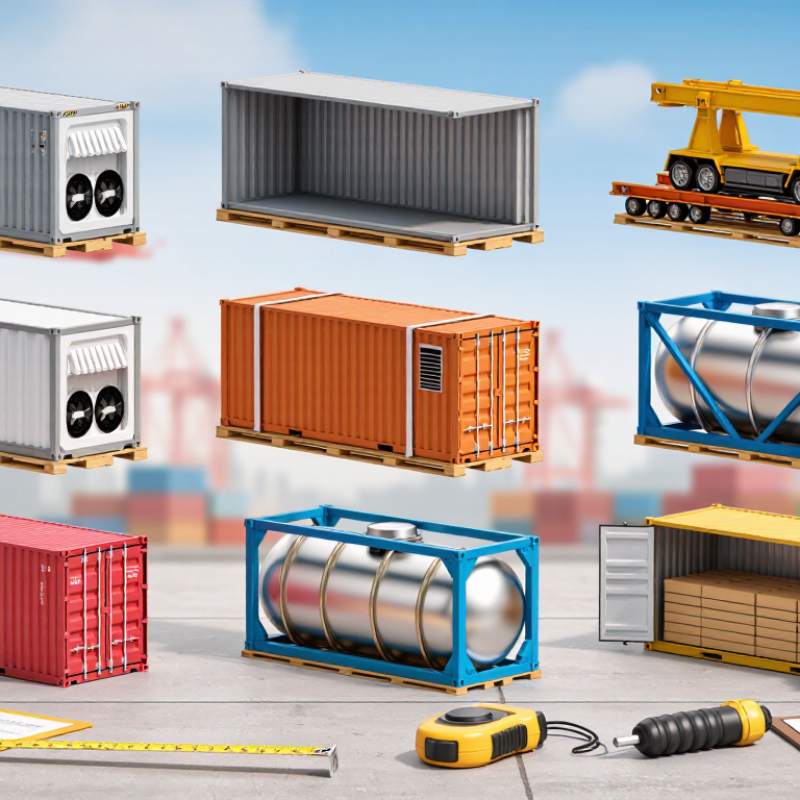
Temperature-sensitive products may require refrigerated containers, which use powered cooling systems. Open-top containers allow cranes to load tall or heavy cargo from above. Flat-rack containers support oversized machinery, pipes, and industrial components. Tank containers carry approved liquid products under controlled specifications. Side-opening containers improve access when workers need to load long items from the container’s side.

Choosing the best type depends on cargo dimensions, weight, moisture sensitivity, handling equipment, route, and delivery schedule. A dry box is often practical, but “best” is not universal.

One common mistake is selecting by volume alone. A shipment can fit inside and still exceed floor-loading limits. Another issue is temperature control during terminal delays. Refrigeration helps, but it does not replace suitable packaging or monitoring.

Buyers should confirm internal measurements, maximum payload, door openings, ventilation, and inspection records before booking. Requirements can vary by carrier and destination. Details matter. Even experienced shipping teams sometimes revise their choice after checking the loading method.

Key Factors for Comparing Freight Container Types

Choosing among the seven best freight container types depends on cargo, route, handling equipment, and delivery conditions. A standard dry container suits boxed goods and palletized cargo. A high-cube model adds valuable vertical space for lightweight products. Small details matter.

For temperature-sensitive shipments, compare reefer containers by operating range, power availability, airflow, and temperature records. Open-top containers help load tall machinery with a crane, while flat racks support wide or heavy equipment. Tank containers require strict compatibility checks between the tank material and the approved liquid cargo. Insulated containers can reduce temperature swings, but they may not replace active cooling.

During supplier comparisons, inspect internal dimensions, door openings, maximum payload, tare weight, floor strength, and ventilation. Measure the cargo first. A few extra centimeters can prevent costly repacking. Ask for recent inspection records, cleanliness evidence, corrosion details, and maintenance history. Used equipment can lower purchase costs, yet worn door seals may increase moisture damage. That trade-off deserves careful review.

Route conditions also influence the practical choice. Confirm port handling limits, road weight rules, rail clearances, and available lifting equipment before booking. Compare the full landed cost, including positioning, storage, energy use, insurance, and return logistics. My experience suggests that buyers often focus on container price and overlook unloading constraints. I have made that mistake too. A cheaper unit is not always the more reliable option. Get the cargo plan checked by an experienced freight professional before committing.

7 Best Freight Container Types for Global Buyers? - Key Factors for Comparing Freight Container Types
Container Type Typical External Size Approx. Internal Volume Typical Payload Range Temperature / Ventilation Best For Key Advantages Important Buying Considerations
Standard Dry Container 20 ft or 40 ft
Approx. 2.44 m wide × 2.59 m high
20 ft: about 33 m³
40 ft: about 67 m³
Approximately 25–28 metric tons, depending on container tare weight and route limits Non-temperature-controlled; limited natural ventilation General cargo, packaged goods, machinery, furniture, and durable products Widely available; usually the most economical option; compatible with standard ocean, rail, and truck handling Not suitable for cargo requiring controlled temperature, heavy ventilation, or frequent loading through the roof
High Cube Container 40 ft high cube
Approx. 2.44 m wide × 2.90 m high
About 76 m³ Approximately 26–29 metric tons, subject to tare weight and transport regulations Non-temperature-controlled; limited natural ventilation High-volume, lightweight cargo and goods that require extra vertical clearance About 30 cm more internal height than a standard container; improves volume utilization for bulky cargo Higher internal volume does not necessarily mean a higher legal payload; check port, road, rail, and vessel restrictions
Refrigerated Container (Reefer) Usually 20 ft or 40 ft
Approx. 2.44 m wide × 2.59 m high
20 ft: about 28 m³
40 ft: about 60–67 m³
Typically approximately 25–29 metric tons, depending on equipment and route limits Powered temperature control; commonly supports roughly -30°C to +30°C, depending on the unit Fresh and frozen food, pharmaceuticals, chemicals, flowers, and other temperature-sensitive cargo Maintains a controlled set point during transport; supports chilled, frozen, and some controlled-atmosphere applications Higher freight and electricity-related charges; cargo must be pre-cooled when required; verify power availability, airflow, humidity, and temperature-recording needs
Open Top Container Usually 20 ft or 40 ft
Similar base dimensions to standard containers
20 ft: about 32–33 m³
40 ft: about 65–67 m³
Often approximately 26–30 metric tons, subject to tare weight and route limits Not temperature-controlled; removable roof or tarpaulin provides top access Over-height, heavy, or top-loaded cargo such as stone, timber, scrap, and industrial equipment Allows crane loading from above; accommodates cargo that cannot pass through standard doors Over-height cargo may require special permits and higher charges; cargo must be securely lashed and protected from weather
Flat Rack Container Usually 20 ft or 40 ft
Fixed or collapsible end walls
Open platform; no enclosed internal volume Commonly approximately 25–40 metric tons, depending on design and loading configuration Open to ambient conditions; no temperature control Oversized machinery, vehicles, steel products, pipes, construction equipment, and project cargo Permits side, top, and end loading; suitable for cargo exceeding standard container dimensions Requires specialist securing and often out-of-gauge assessment; exposed cargo may need weather protection; generally costs more to handle
Tank Container Commonly based on a 20 ft frame
Approx. 2.44 m wide × 2.59 m high
Usually about 14,000–26,000 liters, depending on tank design and cargo requirements Payload varies widely; often approximately 20–27 metric tons May be insulated, heated, or temperature-monitored; configuration depends on the cargo Bulk liquids, liquefied gases, powders, food-grade liquids, and regulated chemicals Efficient for repeat bulk shipments; provides standardized intermodal transport and can reduce packaging requirements Confirm tank material, pressure rating, insulation, heating, cleanliness, food-grade status, and dangerous-goods compliance before purchase or booking
Ventilated Container Usually 20 ft
Similar external dimensions to a standard dry container
Approximately 31–33 m³ Typically approximately 25–28 metric tons, subject to tare weight and route limits Passive ventilation; no active temperature control Cargo that releases moisture or requires continuous air exchange, such as some agricultural products and selected organic materials Reduces condensation and helps manage heat or moisture buildup without powered refrigeration Not a substitute for a reefer; ventilation suitability depends on commodity, packaging, voyage climate, and required airflow rate

Note: Dimensions, internal volume, tare weight, payload, and temperature performance vary by container specification, age, certification, carrier, and local transport regulations. Always confirm the container’s CSC plate, maximum gross mass, cargo securing requirements, and route-specific weight limits before shipment.

Seven Freight Container Types and Their Ideal Cargo

7 Best Freight Container Types for Global Buyers?

Choosing the right container starts with the cargo, not the shipping quote. A standard dry container suits cartons, furniture, textiles, and packaged machinery. A high-cube container adds extra height for bulky, lightweight goods. Refrigerated containers protect fresh produce, frozen food, and temperature-sensitive products. They require continuous temperature monitoring during transit.

Open-top containers work well for tall machinery, timber, and cargo loaded by crane. Their removable roof makes loading easier, but exposed cargo needs careful weather protection. Flat-rack containers carry oversized equipment, vehicles, pipes, and industrial structures. They have limited side protection, so professional securing is essential. Tank containers are designed for approved liquid cargo, such as food-grade liquids or industrial materials. Ventilated containers suit coffee, onions, cocoa, and other goods needing airflow without active cooling.

Tips: Check cargo dimensions, weight, loading access, and destination handling equipment before booking. Request recent inspection records and confirm the container’s usable internal space. A low freight rate can become expensive after special handling charges. I often recheck the payload twice, because packing assumptions are not always accurate. Even experienced buyers miss a few centimeters. Temperature-sensitive cargo also needs a clear monitoring plan, not just a refrigerated container.

Container Sizes, Features, and Shipping Requirements

7 Best Freight Container Types for Global Buyers?

Container selection starts with dimensions, not appearance. Standard 20-foot containers offer about 33 cubic meters of internal space, while 40-foot units provide roughly 67 cubic meters. High-cube containers add approximately 30 centimeters of height, helping with bulky cartons and machinery. These measurements follow ISO container standards, but usable space decreases near doors and corner posts. Small details matter.

Dry containers suit general cargo. Reefer containers control temperature for chilled products, but they require power at terminals and during transport. Open-top units handle tall machinery. Flat racks support oversized cargo with proper lashing points. Tank containers carry approved liquids under strict equipment and documentation rules. Side-door containers improve access for staged loading, while ventilated containers help reduce condensation around selected cargo. Seven types, different risks.

UNCTAD’s Review of Maritime Transport reports that over 80% of global merchandise trade by volume moves by sea. That scale makes shipping discipline essential. Buyers should verify the container’s CSC safety plate, internal dimensions, payload, and inspection condition. Under SOLAS requirements, the shipper must submit verified gross mass before loading. Refrigerated cargo also needs a confirmed temperature range, pre-trip inspection, and continuous power planning. I have seen buyers trust external dimensions too much. That mistake can create a costly final gap.

How Global Buyers Can Select the Right Container

How Global Buyers Can Select the Right Container

Global buyers should select a freight container by cargo behavior, not appearance. UNCTAD’s Review of Maritime Transport 2024 states that over 80% of global merchandise trade moves by sea. That scale makes small packing errors expensive. Start with cargo weight, volume, loading method, route, and temperature exposure. A standard dry container suits cartons, machinery, and palletized goods. A high-cube container adds vertical clearance for lightweight, bulky cargo. Check internal dimensions, door openings, payload, and verified gross mass before booking.

Seven common options cover most commercial needs. Reefer containers protect chilled cargo, but they require continuous power and pre-cooling. Open-top containers support tall machinery loaded by crane. Flat racks handle oversized industrial pieces with unusual dimensions. Tank containers carry approved bulk liquids or powders. Side-door containers improve access during warehouse picking. Standard dry and high-cube units remain the practical choices for general cargo. Availability matters too.

The World Shipping Council recorded 221 containers lost at sea in 2023. Secure blocking, bracing, and accurate weight declarations remain essential. A cheap container can become expensive after repacking, delays, or cargo damage. No checklist is perfect. Buyers should request recent inspection details, confirm equipment condition, and test the loading plan with real cartons or pallets. Freight quotes should also include equipment availability, handling limits, and destination restrictions, not only ocean transport.

7 Best Freight Container Types for Global Buyers

Comparing typical internal volume to help global buyers select the right container for cargo capacity and shipping needs.

Typical nominal internal volumes based on widely used international container specifications. Actual dimensions and usable capacity may vary by manufacturer, age, and container configuration.