
 عربي
عربي عربي
عربيNews & Blogs
2026 Best Sea Can Types for Global Buyers?
Choosing the right sea can in 2026 will involve more than comparing rental prices. Global buyers must match equipment with cargo, route, climate, port limits, and return conditions. Dry vans suit most packaged goods. High-cube units provide extra vertical space. Reefers protect temperature-sensitive products, while open-top and flat-rack containers handle tall, heavy, or irregular cargo. Small details matter. A wet floor can damage cartons. A weak door seal can ruin a long journey.
UNCTAD’s Review of Maritime Transport 2024 reported that global seaborne trade grew by about 2.4% in 2023. It also projected continued growth in 2024 and beyond. Drewry’s container research consistently highlights equipment availability, leasing costs, and repositioning as major buying considerations. These pressures may remain relevant in 2026, especially on lanes with uneven cargo flows. John Fossey, a container-equipment specialist at Drewry, has emphasized that equipment decisions must reflect operational needs rather than market price alone. His practical message is clear: the cheapest container is not always the lowest-cost choice.
That point deserves reflection. Buyers sometimes select a standard unit, then discover poor ventilation, insufficient height, or expensive inland handling. The ISO 668 standard and CSC safety requirements provide an important technical baseline. Yet compliance alone does not guarantee suitability. This guide compares major sea can types for global buyers, using cargo protection, availability, lifecycle cost, and route reliability as practical benchmarks. Conditions differ. No universal winner exists.
What Is a Sea Can and How Is It Used in Global Shipping?
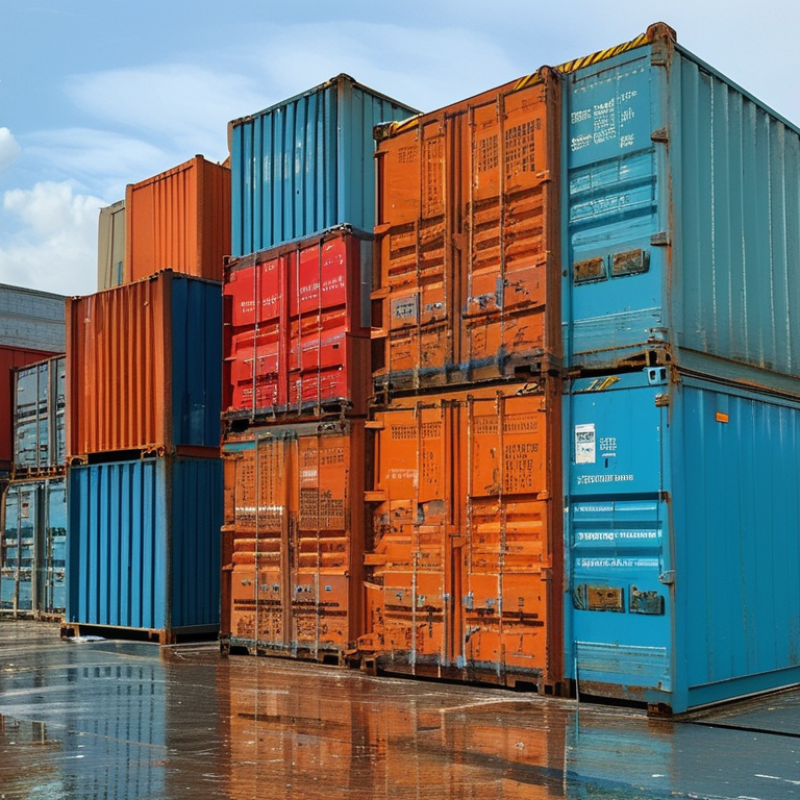
For 2026, global buyers should understand what a sea can really is. A sea can is a reusable steel shipping container designed for safe cargo movement. It travels by vessel, rail, and truck without unloading the goods inside. This intermodal design reduces handling damage and simplifies international logistics.
The common dry sea can suits boxed products, furniture, machinery, and household supplies. Its sealed doors protect cargo from rain, dust, and salt air. Refrigerated units control temperature for approved food, medicine, and other temperature-sensitive products. Open-top containers help load tall cargo with cranes. Flat racks support wide or heavy machinery, but they need careful securing and route planning.
Size matters more than many buyers expect. A twenty-foot unit handles dense cargo well, while a forty-foot unit offers greater volume. Check internal dimensions, door width, payload limits, and floor condition before ordering. The external label alone is not enough. Inspect the safety approval plate, door seals, corner posts, and visible rust. Small damage can become expensive during ocean transit. That assumption can fail.
A sea can is also used for temporary storage, workshops, and site offices when local rules permit. However, ventilation, drainage, insulation, and access may require professional modification. Used containers are not always cheaper after repairs, transport, and port charges. Asking for recent inspection photos and complete condition records is sensible. Even experienced buyers can overlook hidden floor damage.
2026 Best Sea Can Types for Global Buyers? - What Is a Sea Can and How Is It Used in Global Shipping?
A sea can is a common term for an intermodal freight container used for ocean, rail, and road transport. The specifications below are typical ISO container ranges; actual dimensions, tare weight, and payload vary by manufacturer, construction, equipment, and applicable safety certification.
| Sea Can Type | Typical External Size (L × W × H) |
Typical Internal Volume | Typical Tare Weight | Typical Maximum Payload | Best-Suited Cargo | Key Buying Consideration |
|---|---|---|---|---|---|---|
| 20-Foot Dry Van | 6.06 × 2.44 × 2.59 m 20 × 8 × 8 ft 6 in |
About 33 m³ 1,170 ft³ |
Approximately 2,200–2,400 kg | Approximately 28,000 kg | Dense, heavy, or palletized general cargo | A practical choice when cargo weight is more important than volume. |
| 40-Foot Dry Van | 12.19 × 2.44 × 2.59 m 40 × 8 × 8 ft 6 in |
About 67 m³ 2,366 ft³ |
Approximately 3,700–4,000 kg | Approximately 26,000–28,000 kg | Cartons, furniture, machinery parts, and general merchandise | Offers more floor length than a 20-foot unit but may be less efficient for very heavy cargo. |
| 40-Foot High Cube Dry Van | 12.19 × 2.44 × 2.90 m 40 × 8 × 9 ft 6 in |
About 76 m³ 2,690 ft³ |
Approximately 3,900–4,300 kg | Approximately 26,000–28,000 kg | Lightweight, bulky, or tall cargo requiring extra cubic capacity | Usually the best general-purpose option when volume efficiency is the priority. |
| 20-Foot Refrigerated Container | 6.06 × 2.44 × 2.59 m 20 × 8 × 8 ft 6 in |
About 28–29 m³ 990–1,025 ft³ |
Approximately 2,800–3,200 kg | Approximately 27,000 kg | Frozen food, chilled food, pharmaceuticals, and temperature-sensitive products | Requires a reliable power supply, temperature settings, monitoring, and pre-trip inspection. |
| 40-Foot High Cube Refrigerated Container | 12.19 × 2.44 × 2.90 m 40 × 8 × 9 ft 6 in |
About 67–68 m³ 2,366–2,402 ft³ |
Approximately 4,500–5,000 kg | Approximately 25,000–27,000 kg | Large-volume chilled or frozen shipments | Provides high capacity, but refrigeration equipment reduces payload and internal space. |
| 20-Foot Open-Top Container | 6.06 × 2.44 × 2.59 m 20 × 8 × 8 ft 6 in |
About 32 m³ 1,130 ft³ |
Approximately 2,300–2,700 kg | Approximately 27,000–28,000 kg | Bulk cargo or tall, heavy goods loaded by crane | Check the removable roof, lashing points, cargo height, and weather-protection method. |
| 40-Foot Open-Top Container | 12.19 × 2.44 × 2.59 m 40 × 8 × 8 ft 6 in |
About 65–66 m³ 2,295–2,330 ft³ |
Approximately 3,800–4,300 kg | Approximately 26,000–28,000 kg | Oversized machinery, scrap metal, stone, and heavy bulk cargo | Confirm that the cargo can be secured safely and that the total height meets route limits. |
| 20-Foot Flat Rack | 6.06 × 2.44 m footprint Height varies by design |
Not enclosed; cargo footprint is the key measure | Approximately 2,500–3,000 kg | Up to approximately 25,000–28,000 kg | Vehicles, industrial equipment, pipes, and oversized loads | Cargo must be engineered, blocked, braced, and lashed for transport. |
| 40-Foot Flat Rack | 12.19 × 2.44 m footprint Height varies by design |
Not enclosed; cargo footprint is the key measure | Approximately 5,000–6,000 kg | Up to approximately 25,000–30,000 kg | Long, wide, or heavy project cargo | Verify permitted over-width, over-height, and over-length limits before booking. |
| 20-Foot Tank Container | Approximately 6.06 × 2.44 × 2.59 m | Usually about 21,000–26,000 litres | Approximately 3,600–4,000 kg | Determined by tank rating, liquid density, and legal gross mass | Liquids, gases, powders, and regulated chemical products | Confirm product compatibility, pressure rating, hazardous-goods rules, and cleaning records. |
Related Posts
-
How to Choose the Right Freight Container for Your Needs?
-

How to Choose the Right Sea Can for Your Shipping Needs?
-

How to Choose the Right Shipping Containers for Your Needs
-

How to Choose the Right Sea Container for Your Shipping Needs
-

China Top 40 Foot Shipping Container Suppliers for Global Buyers?
-

Best Ways to Ship a Single Trip Shipping Container Worldwide?