
A 40-foot storage container can add substantial space to a workshop, farm, or business site, but size alone does not make it the right choice. A 40 storage container may look roomy in a listing, yet door clearance, interior width, and usable height vary by model and condition. Measure the items you plan to store, including pallets, shelving, and equipment handles. Leave room to move safely. Small details matter.
This guide explains how to compare standard and high-cube units, assess new or used condition, and plan delivery before ordering. Request exact external and internal measurements, not just the nominal length. Check the floor for soft spots, the roof for dents or leaks, and the doors for smooth movement. Ask for current photos and a clear description of repairs; a fresh coat of paint can hide wear, though not always. For moisture-sensitive goods, ask about ventilation and consider a moisture-control plan. Sealed steel spaces can still develop condensation.
Confirm the truck can reach the placement area and that the site is firm and level. Then compare the total cost, including transport, unloading, and any preparation work. A container that is inexpensive at the depot may become costly if access is difficult. There is no perfect choice. Your climate, stored goods, and available space all influence the decision. By weighing these practical factors, you can select a unit that fits your needs rather than relying on a label or sales claim.
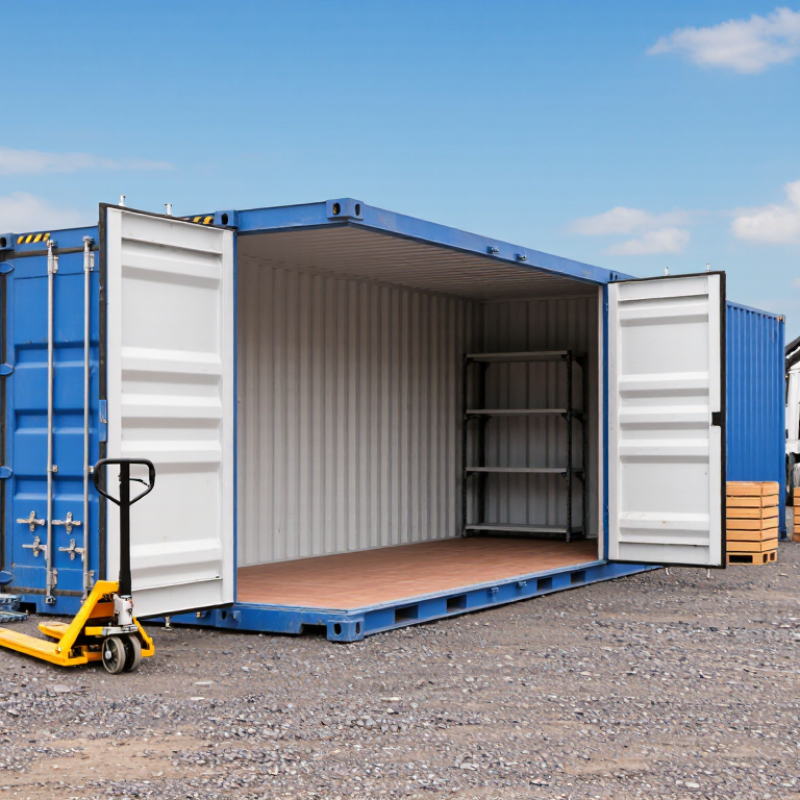
Define the job before choosing a 40-foot storage container. List what must fit, how often you need access, and whether items will stay for weeks or months. Measure bulky objects, including handles and pallets, then sketch their placement. A standard 40-foot dry container typically offers about 2,390 cubic feet of interior space, but doors, stacking limits, and access aisles reduce usable capacity. Check the specific unit’s internal dimensions; high-cube models provide extra height. Small details matter.
The Self Storage Association’s 2023 Self-Storage Demand Study estimated that 11.1% of U.S. households currently rent self-storage. That figure describes demand, not the right container size for a particular project. Separate inventory by weight, fragility, and retrieval frequency: heavy boxes belong low, while frequently used tools should stay near the doors. Consider ventilation and moisture protection for furniture, paper records, or textiles. My first volume estimate would likely miss awkward gaps, so leave room for safe movement rather than packing every inch. If access is difficult or the load changes often, a smaller, better-organized setup may work better than a full container.
A standard 40-foot container works well for boxed goods, furniture, and general equipment. Its external height is typically 8 feet 6 inches, while internal measurements vary by model and age. Measure your largest item, including pallets and packing, before deciding. Door openings can be narrower than the interior, which catches people out.
A high-cube container is usually 9 feet 6 inches tall externally, giving taller cargo extra clearance. That space can help with bulky furniture or stacked cartons, but it does not guarantee a full foot of usable interior height. Check the door height and floor condition too. Measure twice.
Specialized containers suit specific handling needs. A refrigerated unit maintains controlled temperatures, but its insulation and machinery reduce usable interior space. An open-top model allows loading from above, useful for tall items handled by crane, though a suitable cover matters. Side-door versions make long or awkward cargo easier to reach, but their added openings can affect weather protection. I would compare the actual internal dimensions, access points, and condition—not just the container label. One detail is easy to underestimate: a container that fits the cargo may still be difficult to load at your site.
A 40-foot storage container sounds straightforward, but usable space depends on its exact specification. Standard units are often about 40 feet long and 8 feet wide externally; interior dimensions are smaller. Measure the available site, doorway, and largest item before ordering. Check the door opening too, not just the container’s length. High-cube models offer extra height, but specifications can vary. Measure twice. A tape measure and a simple sketch can prevent an expensive mismatch.
Inspect the container in daylight. Look for soft floor patches, deep rust, bent door frames, and roof dents that may hold water. Open and close both doors; stiff hinges can signal damage or poor alignment. For security, check that locking bars move smoothly and a lockbox is firmly attached. Weatherproofing needs close attention: examine roof seams, corner posts, door seals, and the floor edges for gaps or daylight. A recent coat of paint is not proof of sound metal. I would question any seller who dismisses a small leak as harmless; even a little moisture can damage cardboard or tools over time. Bring a flashlight, and take photos of defects before agreeing to delivery.
Compare typical standard-container dimensions in inches before checking the unit’s condition, security, and weatherproofing.
Dimensions are approximate and can vary by container and manufacturer. Inspect floors and walls for damage or corrosion, test the doors and locking points, and look for sound seals and signs of water ingress. Confirm the exact usable space and condition in person before purchase or rental.
A 40-foot container needs more than a 40-foot gap. ISO 668:2020 specifies a standard external length of 12.192 metres and width of 2.438 metres. Measure gates, corners, overhead branches, and utility lines before booking delivery. High-cube units also need extra vertical clearance. Check the exact unit height and unloading method with the carrier.
The delivery vehicle may be the real constraint. AASHTO’s 2018 A Policy on Geometric Design of Highways and Streets gives the WB-67 design truck an overall length of about 73.5 feet. That is a useful screening reference, not a promise that every truck needs identical space. Narrow turns, soft shoulders, parked cars, and steep driveways can still block access. Walk the route with the driver if the approach looks tight. Small details matter.
At the placement point, check ground firmness, slope, drainage, and room for unloading equipment. A flat-looking patch can soften after rain. Gravel may help, but it does not fix a weak base or poor drainage. Confirm any required supports and clearances with the supplier, and avoid placing the unit where doors cannot swing fully open. Mark the intended corners, then recheck the turning path and overhead clearance on delivery day. Plans miss things.
A 40-foot storage container can look affordable until delivery, site access, and pickup fees appear. Request an itemized quote that separates the container rate from transport, taxes, and optional services. Compare the same rental period and condition across sellers. A used unit with patched roof panels may cost less, but could need more attention during wet weather. Ask what “weather-tight” means and whether the seller will document the unit’s condition before delivery.
Rental terms deserve equal scrutiny. Check the minimum term, renewal date, price changes, damage responsibilities, and notice required for pickup. Confirm whether the truck can reach your site and whether placement needs a clear turning area. Get delivery and collection charges in writing. A low monthly rate is not automatically the better deal. It is easy to focus on the headline price and miss the total commitment.
Tips: Verify the seller’s business details, recent customer references, and delivery insurance. Ask for current photos of the exact container, including its doors, floor, and roof. Read the agreement slowly. Details matter. I sometimes overlook small fees on a first read, so mark every amount and deadline before signing.