
 عربي
 عربي
News & Blogs
7 Best 40 Foot Shipping Containers for Sale?
A 40 foot shipping container offers substantial room for equipment, inventory, or a well-planned storage project. Its long, rectangular footprint can fit bulky items that smaller units cannot hold. But “best” depends on what you need to store, where the container will sit, and how it will be delivered. Photos can mislead. This guide compares seven common options and highlights the details worth checking before you buy.
The choices may include standard-height and high-cube models, new or used units, and containers sold with different condition grades. A high-cube model provides extra interior height, which can help with tall equipment or stacked goods. A used unit may cost less, but its doors, seals, floor, and steel panels deserve careful inspection. Ask the seller for current photos, exact dimensions, and a clear description of repairs or damage. “Cargo worthy” and “wind and watertight” can describe different standards, so confirm what each label means in the seller’s listing.
Price is only part of the decision. Delivery access, ground preparation, and unloading equipment can change the total cost. Measure the placement area, check overhead clearance, and confirm that a truck can reach the site. If you are comparing listings, request a written quote that separates the container price from delivery and other fees. A little uncertainty is normal, especially with used stock. Verify the details before committing, and choose the unit that fits your actual space and use—not simply the lowest advertised price.
What Defines a 40-Foot Shipping Container?
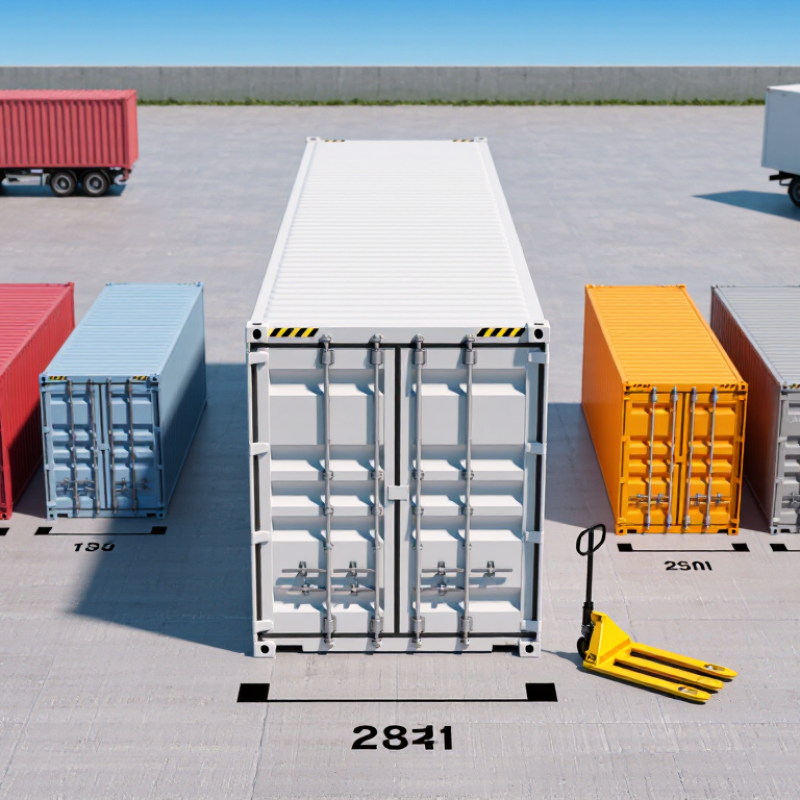
A 40-foot shipping container is defined by its standard external length, not by one universal interior capacity. ISO 668 specifies a nominal length of 12.192 metres and width of 2.438 metres; standard-height units are about 2.591 metres tall. Inside, corrugated steel walls, corner posts, and a timber floor reduce usable space. Dimensions can vary slightly by manufacturer and container age. Details matter.
The Container Handbook, published by the German Insurance Association, gives a typical internal capacity of about 67.7 cubic metres for a standard 40-foot dry container. That figure is useful for planning, but it is not a promise of usable loading space. Door openings are narrower than the container interior, and cargo shape, packaging, and weight limits affect what fits. A 40-foot High Cube model adds roughly 30 centimetres of height, so it suits taller loads, but its exact specifications still need checking.
Tips: Ask for the unit’s data plate and measure the door opening, interior length, and floor condition before purchase. Check the maximum gross weight and payload on that specific container; ratings differ. A quick visual check helps, but it cannot reveal every repair or leak.
7 Best 40-Foot Shipping Containers for Sale: What Defines a 40-Foot Shipping Container?
| Container Type | Typical External Dimensions (L × W × H) | Typical Internal Capacity | Best Suited For | Key Considerations |
|---|---|---|---|---|
| 40-Foot Standard Dry | 40 ft × 8 ft × 8 ft 6 in (12.19 m × 2.44 m × 2.59 m) |
About 2,390 cu ft (67.7 m³); interior length is typically about 39 ft 5 in (12.03 m). | General cargo, household goods, tools, and dry storage. | The common 40-foot baseline. Internal measurements and payload vary by container and manufacturer. |
| 40-Foot High Cube | 40 ft × 8 ft × 9 ft 6 in (12.19 m × 2.44 m × 2.90 m) |
About 2,694 cu ft (76.3 m³); approximately 1 ft (30 cm) taller internally than a standard container. | Bulky cargo, tall equipment, and storage where extra vertical space is useful. | Provides more volume, but check height limits for transport, placement, and site access. |
| 40-Foot Double-Door | Usually 40 ft × 8 ft × 8 ft 6 in (12.19 m × 2.44 m × 2.59 m) |
Generally similar to a standard dry container; capacity depends on the specific unit. | Cargo that needs access from either end, or storage arranged for easier loading and unloading. | Two sets of end doors offer added access; inspect door seals, locking bars, and clear opening dimensions. |
| 40-Foot Open-Side | Typically 40 ft × 8 ft × 8 ft 6 in (12.19 m × 2.44 m × 2.59 m) |
Capacity varies by design; side-door hardware can reduce usable space near the opening. | Long or wide items that are difficult to load through standard end doors, and stock requiring side access. | Large side openings improve access but add moving parts; check the opening width and door operation. |
| 40-Foot Refrigerated (Reefer) | Often about 40 ft × 8 ft × 9 ft 6 in; dimensions vary by model. | Usable interior space is smaller than in a dry container because of insulation and refrigeration equipment. | Temperature-controlled transport or storage for suitable chilled and frozen goods. | Requires a compatible power supply and a working refrigeration unit. Confirm operating range, service history, and internal dimensions. |
| 40-Foot Open-Top | Usually about 40 ft × 8 ft × 8 ft 6 in; height can vary by design. | Capacity depends on the model; cargo may extend above the side walls if transport rules permit. | Heavy or tall cargo loaded from above by crane, such as machinery or certain building materials. | Typically uses a removable roof bow and tarpaulin. Check loading clearance and cargo securing requirements. |
| 40-Foot Flat Rack | Typically 40 ft long; width and end-wall height vary by model. | No enclosed cubic capacity; cargo is secured on an open platform. | Oversized, heavy, or awkwardly shaped cargo that cannot fit inside an enclosed container. | Confirm payload, deck dimensions, lashing points, and whether the end walls are fixed or collapsible. |
What defines a 40-foot shipping container? The “40-foot” designation refers to its nominal external length, not its exact usable interior length. Standard and high-cube units differ mainly in height, while specialist designs trade enclosed space for features such as refrigeration, roof access, or side loading. Actual dimensions, payload, and capacity vary by unit, so verify the container’s data plate and measurements before purchase.
Related Posts
-
What Are the Top Types of 40 Foot Shipping Containers?
-
How Much Does a 40 ft Container Cost?
-

How to Choose the Right 40 Foot Container?
-

Why Choose a 40 Foot Container for Global Shipping?
-

China Top 40 Foot Shipping Container Suppliers for Global Buyers?
-

Top 10 Refrigerated Containers for Global Shipping Needs?