
News & Blogs

2026 Top Standard Shipping Container Sizes for Global Buyers

Choosing the right container begins with understanding the standard shipping container size used in your trade lane. In 2026, global buyers will still rely heavily on 20-foot, 40-foot, and 40-foot high-cube containers. Each option affects cargo volume, loading labor, freight cost, and warehouse planning. Small details matter.

A 20-foot container usually suits dense cargo, machinery, tiles, and palletized goods. A 40-foot container offers more floor length for lighter products and retail shipments. The 40-foot high-cube model adds extra internal height, often helping manufacturers load taller cartons or improve stacking efficiency. However, external dimensions, door openings, tare weight, and maximum payload can vary by carrier and equipment series. Measure twice.

This guide compares practical container dimensions, usable capacity, and common buyer applications for 2026 procurement decisions. It draws on shipping specifications, carrier practices, port handling requirements, and real loading considerations. A container may appear spacious on paper, yet irregular cartons can leave costly empty gaps. That is where many purchasing plans fail.

Buyers should also check route restrictions, chassis limits, inland road regulations, and availability at the origin port. High-cube equipment is not equally accessible in every market. Refrigerated, open-top, and specialized containers require separate planning. Their specifications differ significantly.

The most reliable choice balances internal volume with cargo weight and handling conditions. Do not select the largest box automatically. A smaller container can reduce unused space, shifting risk, and unnecessary transport expense. Still, published figures are not perfect substitutes for a loading plan. Confirm measurements with the supplier, freight forwarder, and carrier before booking.
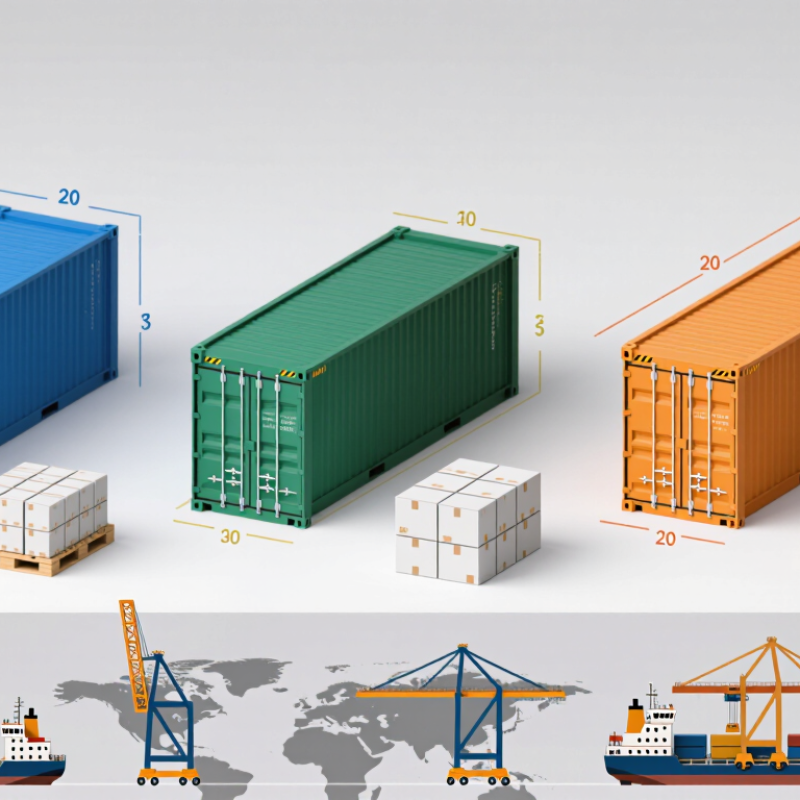
2026 Top Standard Shipping Container Sizes for Global Buyers

ISO 668 Basics: How Container Sizes Are Classified in 2026

ISO 668 provides the basic language for classifying intermodal freight containers in 2026. It defines external dimensions, corner fittings, ratings, and handling requirements. The familiar 20-foot and 40-foot units belong to the Series 1 container family. Both normally measure 8 feet wide and 8 feet 6 inches high. A high-cube version adds one foot of height.

These classifications support reliable planning across ships, railways, and trucks. A 20-foot container suits dense cargo, machinery, or smaller shipments. A 40-foot container offers more floor length for lighter goods. The nominal size is not the usable space. Door openings, wall thickness, and internal fittings reduce capacity. Actual measurements can vary slightly between production batches. That detail is easy to overlook.

Tips: Confirm the ISO size code, external dimensions, internal volume, maximum gross mass, and door opening before booking. Ask for a current equipment specification sheet. Measure bulky cargo at its widest and highest points. Leave clearance for loading tools and securement. A quick drawing often prevents an expensive mistake.

ISO 668 does not replace local transport rules or route limits. Buyers should also verify axle restrictions, terminal equipment, and road height clearance. Standards create consistency, but field conditions still matter. The safest selection combines the classification with the cargo’s real dimensions and weight.

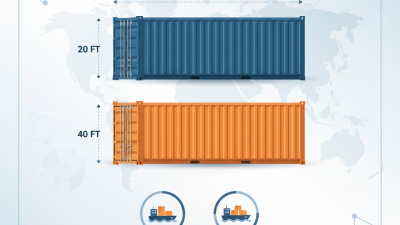
20-Foot Containers: 6,058 × 2,438 × 2,591 mm Standard Dimensions

For global buyers comparing 2026 standard shipping container sizes, the 20-foot model remains a practical benchmark.
Its stated external dimensions are 6,058 × 2,438 × 2,591 mm. These measurements describe length, width, and height. Measure twice. A 20-footer suits machinery, cartons, furniture, and palletized goods when weight and volume are controlled.

However, external size is not usable space. Wall thickness, corner posts, door framing, and floor construction reduce internal clearance. Actual internal dimensions can differ slightly between production batches and container conditions. Before booking, buyers should request verified internal dimensions, door opening size, tare weight, and maximum payload. A tape measure at the loading site can prevent expensive surprises.

Check pallet turning room, forklift access, and the height of stacked cartons. The door opening is usually narrower than the container width, affecting bulky cargo. Cargo weight deserves equal attention. A full-looking load may exceed handling or transport limits. Ask for inspection records and safety documentation. A clean floor and sound corner posts matter more than fresh paint. Paint can mislead. For international movement, confirm local road, rail, and port requirements before dispatch. One planning error appears often: treating nominal dimensions as guaranteed cargo dimensions. Allow a small working margin, because real loading rarely matches the drawing perfectly.

40-Foot Containers: 12,192 mm Length and 30,480 kg Gross Mass

2026 Top Standard Shipping Container Sizes for Global Buyers

40-Foot Containers: 12,192 mm Length and 30,480 kg Gross Mass

A 40-foot standard container offers 12,192 mm of external length and a maximum gross mass of 30,480 kg. It suits machinery, boxed goods, furniture, and palletized cargo that needs long floor space. Internal dimensions are smaller because of steel walls, doors, and corner posts. Typical internal length is about 12,032 mm, while internal width is close to 2,350 mm. Exact measurements can vary slightly between units.

The gross mass includes both the container and its cargo. A unit may weigh about 3,700 to 4,000 kg when empty, leaving a practical payload near 26,480 to 26,780 kg. Always check the identification plate. I have seen loading plans fail because teams used a rounded payload figure. Weight distribution also matters. Heavy items should stay low and near the center, while forklifts should avoid concentrated pressure on the floor. A nearly full container can still create problems if road axle limits are lower than the container limit.

Tips: Measure the cargo before booking space. Leave clearance near the doors. Use a certified scale when weight is uncertain. Secure every load against movement. Recheck local port, road, and handling requirements, because published dimensions are not a substitute for the container’s actual inspection. Small errors become expensive quickly.

High-Cube Containers: 2,896 mm Height for Extra Cargo Volume

High-cube containers stand 2,896 mm tall externally, about 305 mm higher than standard units. That extra height creates valuable vertical capacity for global cargo planning. A typical 40-foot high-cube container offers roughly 76 cubic metres of internal volume, compared with about 67 cubic metres in a standard 40-foot unit. Figures vary slightly by manufacturer and door design.

ISO 668 defines the main dimensional framework for intermodal containers, while ISO 1496 addresses testing and performance requirements. These standards matter when cargo moves between ships, railways, and trucks. Drewry’s Container Census 2024 places the global container fleet above 28 million TEU, showing why dimensional consistency remains commercially important. More units do not remove the need for careful loading.

Measure the cargo first.

High-cube space suits lightweight furniture, packaged machinery, insulation, and retail cartons that consume volume before reaching payload limits. However, the taller box is not automatically better. Road height restrictions, chassis compatibility, and terminal handling rules can affect the final choice. I have seen loading plans waste space because cartons were stacked below the roof line. That mistake is avoidable, though real cargo is rarely as tidy as a spreadsheet. Buyers should verify internal length, width, door clearance, tare weight, and allowable gross mass before booking. Small dimensional differences can change usable capacity.

2026 Top Standard Shipping Container Sizes for Global Buyers - High-Cube Containers: 2,896 mm Height for Extra Cargo Volume
Container Type Typical External Dimensions
(L × W × H)
Approx. Internal Dimensions
(L × W × H)
Internal Volume Typical Tare Mass Common Maximum Gross Mass Typical Applications
20-Foot Standard Dry Container 6,058 × 2,438 × 2,591 mm
19 ft 10 in × 8 ft × 8 ft 6 in
5,898 × 2,352 × 2,393 mm
19 ft 4 in × 7 ft 9 in × 7 ft 10 in
Approximately 33.2 m³
1,172 ft³
2,200–2,400 kg 30,480 kg Dense, heavy cargo; machinery; palletized goods; general export freight
40-Foot Standard Dry Container 12,192 × 2,438 × 2,591 mm
40 ft × 8 ft × 8 ft 6 in
12,032 × 2,352 × 2,393 mm
39 ft 6 in × 7 ft 9 in × 7 ft 10 in
Approximately 67.7 m³
2,390 ft³
3,700–4,000 kg 30,480 kg Large-volume cargo; cartons; furniture; textiles; consumer goods
40-Foot High-Cube Dry Container 12,192 × 2,438 × 2,896 mm
40 ft × 8 ft × 9 ft 6 in
12,032 × 2,352 × 2,698 mm
39 ft 6 in × 7 ft 9 in × 8 ft 10 in
Approximately 76.3 m³
2,694 ft³
3,900–4,300 kg 30,480 kg Tall or lightweight cargo; bulky cartons; packaging materials; household goods
45-Foot High-Cube Dry Container 13,716 × 2,438 × 2,896 mm
45 ft × 8 ft × 9 ft 6 in
13,556 × 2,352 × 2,698 mm
44 ft 6 in × 7 ft 9 in × 8 ft 10 in
Approximately 86.0 m³
3,037 ft³
4,800–5,200 kg 30,480 kg High-volume shipments; retail replenishment; oversized lightweight cargo
Measurement note: Dimensions and capacities are typical nominal values for ISO dry freight containers. Actual internal dimensions, tare mass, payload, door opening, and maximum gross mass may vary by container design, construction year, certification plate, and operating route. The 2,896 mm external height identifies the high-cube format.

Choosing by Cargo: Capacity, Payload, Doors, and CSC Compliance

Choosing a shipping container by length alone can create expensive surprises. A 20-foot standard container offers about 33 cubic meters of internal space, while a 40-foot model provides roughly 67 cubic meters. A 40-foot high-cube unit adds extra height, often reaching about 76 cubic meters. These figures are approximate and vary with construction details.

Cargo shape matters more than advertised volume. Palletized goods need clear floor length and usable door width. Machinery may require a wider double-door configuration. Long items can benefit from side access, but this option may reduce weather protection. Measure the packed cargo, not the product alone. Leave room for bracing and safe handling.

Payload requires equal attention. A container’s maximum gross mass includes both cargo and tare weight. Road limits, port rules, and local equipment can reduce the practical payload. Real loading is rarely perfect. A neat spreadsheet can still mislead. Check the weight of pallets, dunnage, moisture-sensitive packaging, and lifting equipment before booking.

Every container moving internationally should carry a valid CSC safety-approval plate. Inspect its identification number, maximum gross mass, tare weight, and examination markings. The plate is not a decoration. It supports acceptance during transport and helps confirm structural suitability. Look for damaged corner posts, distorted doors, floor weakness, or heavy corrosion during a physical inspection. If the container passes the paperwork but fails the doorway test, reconsider the purchase.