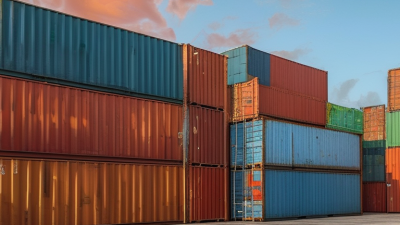

Choosing the right standard shipping container size can protect cargo, reduce handling, and control freight costs. It sounds simple. Often, it is not.
UNCTAD’s Review of Maritime Transport reports that ships carry over 80% of global merchandise trade by volume. This scale makes container dimensions more than a technical detail. They influence vessel planning, warehouse access, trucking limits, and loading efficiency. Drewry’s Container Census also tracks a global fleet measured in tens of millions of TEUs, showing how widely standardized equipment supports international commerce. Yet, “standard” does not mean identical. Internal length, door height, payload, insulation, and equipment condition can vary by owner and route.
Marc Levinson, author of The Box, wrote, “The container made the global economy possible.” His observation remains practical today. A 20-foot container may suit dense machinery, while a 40-foot unit can provide better volume for cartons or furniture. High-cube containers add vertical space, but that extra room may create weight-distribution problems. Small choices matter.
This guide examines ten widely used standard shipping container size options for global buyers. It compares external dimensions, internal capacity, typical payload, and suitable cargo profiles. Measurements follow common ISO container practices, while actual specifications should be confirmed with the carrier. That caveat matters. Published figures can look precise, but corner castings, flooring, repairs, and local equipment shortages may change the result.
The goal is practical judgment, not a perfect formula. Before ordering, measure the cargo, check access points, and review the carrier’s current equipment sheet.
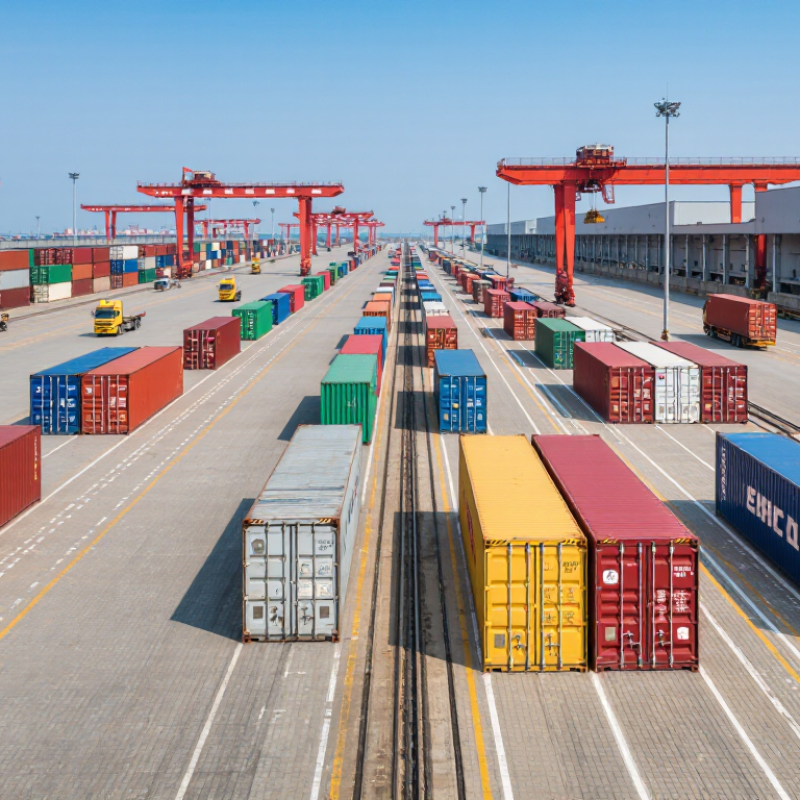
10 Best Standard Shipping Container Sizes for Global Buyers
Standard Shipping Container Sizes and Their Global Applications
Global buyers usually choose among ten practical formats: 8-foot, 10-foot, 20-foot, and 40-foot dry containers; 20-foot and 40-foot high-cube units; 45-foot high-cube units; plus refrigerated, open-top, and flat-rack versions. Availability can differ by port.
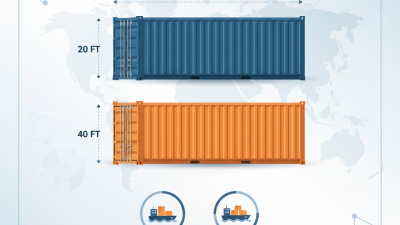
An 8-foot container suits tools, documents, and compact storage. A 10-foot unit fits small workshops or local distribution. The 20-foot container remains useful for dense cargo, such as machinery, canned goods, and boxed hardware. It usually offers better weight efficiency than a longer unit. A 40-foot container provides more floor space for furniture, textiles, and retail inventory.
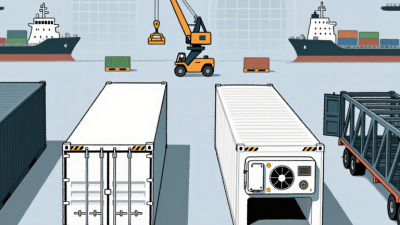
High-cube containers add extra internal height for light, bulky cargo. A 20-foot high-cube model helps with tall equipment, while 40-foot and 45-foot versions support larger volume shipments. Refrigerated containers serve temperature-sensitive food, medicines, and laboratory materials. Open-top units handle tall cargo loaded by crane. Flat racks carry oversized machinery when side or top access matters.
Measure twice. Load once.
Experienced planners check internal dimensions, door clearance, tare weight, and verified payload before booking. They also review road limits and terminal handling requirements. A container may appear spacious but still fail because pallets cannot pass through the doors. Payload figures can change with equipment and route conditions. A tidy size chart can mislead, especially when cargo shape is irregular. I would request current specifications and a loading plan rather than rely on nominal dimensions alone.
Choosing among the 10 best standard shipping container sizes requires more than comparing length. Internal height, door clearance, payload, and floor loading affect every handling decision.
ISO 668:2020 defines the main external dimensions for 20-foot and 40-foot units. A typical 20-foot dry container offers about 33 cubic meters, while a 40-foot unit provides roughly 67 cubic meters. A 40-foot high-cube container reaches approximately 76 cubic meters because its internal height approaches 2.7 meters. Dimensions vary slightly by manufacturer and equipment age. Measure the actual unit.
A 20-foot container often handles dense cargo better. Machinery, tiles, and boxed metal products may reach the weight limit before filling the floor area. A 40-foot high-cube suits cartons, furniture, and lightweight retail goods, but unused upper space can increase shifting risk. Securement still matters.
UNCTAD’s Review of Maritime Transport 2024 records a global container fleet exceeding 28 million TEU, showing how widely these standard formats operate. Yet TEU comparisons can mislead. One 40-foot high-cube container equals two TEU operationally, but it does not always deliver twice the usable capacity. Door width, pallet orientation, forklift access, and terminal weight limits can reduce the practical gain. I have seen cargo plans fail because volume looked sufficient on paper. A small dimensional check often prevents a costly rework.
| Container Size | Container Type | External Dimensions (L × W × H) |
Internal Dimensions (L × W × H) |
Door Opening (W × H) |
Approx. Internal Volume | Typical Maximum Gross Weight | Typical Tare Weight | Typical Payload | Best Cargo Applications | Handling and Availability Considerations |
|---|---|---|---|---|---|---|---|---|---|---|
|
5 ft
Mini container
|
Compact general-purpose unit |
1.52 × 2.44 × 2.59 m 5 × 8 × 8.5 ft |
1.35 × 2.28 × 2.26 m 4.4 × 7.5 × 7.4 ft |
2.28 × 2.26 m 7.5 × 7.4 ft |
About 7 m³ About 247 ft³ |
5,000 kg 11,023 lb |
About 1,000 kg 2,205 lb |
About 4,000 kg 8,818 lb |
Small machinery, tools, documents, spare parts, and limited household cargo. | Useful where space is restricted, but not stocked at every international terminal. Confirm local lifting and inland transport arrangements. |
|
8 ft
Mini container
|
Compact general-purpose unit |
2.44 × 2.44 × 2.59 m 8 × 8 × 8.5 ft |
2.28 × 2.28 × 2.26 m 7.5 × 7.5 × 7.4 ft |
2.28 × 2.26 m 7.5 × 7.4 ft |
About 12 m³ About 424 ft³ |
8,000 kg 17,637 lb |
About 1,300 kg 2,866 lb |
About 6,700 kg 14,771 lb |
Small commercial inventory, light equipment, retail fixtures, and household goods. | Provides more usable floor area than a 5 ft unit while remaining easy to place. Regional availability is more limited than 20 ft equipment. |
|
10 ft
Standard height
|
General-purpose dry container |
3.05 × 2.44 × 2.59 m 10 × 8 × 8.5 ft |
2.84 × 2.35 × 2.39 m 9.3 × 7.7 × 7.8 ft |
2.34 × 2.28 m 7.7 × 7.5 ft |
About 16 m³ About 565 ft³ |
10,160 kg 22,399 lb |
About 1,300 kg 2,866 lb |
About 8,800 kg 19,401 lb |
Short-volume shipments, machinery, packaged goods, and construction materials. | A practical choice for partial loads, but the cost per cubic metre may be higher because the unit is less commonly repositioned in global shipping networks. |
|
20 ft
Standard height
|
General-purpose dry container |
6.06 × 2.44 × 2.59 m 20 × 8 × 8.5 ft |
5.90 × 2.35 × 2.39 m 19.4 × 7.7 × 7.8 ft |
2.34 × 2.28 m 7.7 × 7.5 ft |
About 33 m³ About 1,165 ft³ |
30,480 kg 67,197 lb |
About 2,200 kg 4,850 lb |
About 28,280 kg 62,347 lb |
Dense cargo, machinery, metal products, pallets, cartons, and general exports. | The most widely recognized international container size. It handles heavy cargo efficiently because its payload limit is reached before its volume limit for many dense products. |
|
20 ft High Cube
Extra height
|
High-cube dry container |
6.06 × 2.44 × 2.90 m 20 × 8 × 9.5 ft |
5.90 × 2.35 × 2.69 m 19.4 × 7.7 × 8.8 ft |
2.34 × 2.58 m 7.7 × 8.5 ft |
About 37 m³ About 1,307 ft³ |
30,480 kg 67,197 lb |
About 2,350 kg 5,181 lb |
About 28,130 kg 62,016 lb |
Bulky cartons, lightweight manufactured goods, furniture, textiles, and tall packaged items. | Adds roughly 10–12% more volume than a standard-height 20 ft unit. Check bridge, tunnel, and warehouse height limits during inland delivery. |
|
30 ft
Standard height
|
General-purpose dry container |
9.12 × 2.44 × 2.59 m 30 × 8 × 8.5 ft |
8.94 × 2.35 × 2.39 m 29.3 × 7.7 × 7.8 ft |
2.34 × 2.28 m 7.7 × 7.5 ft |
About 50 m³ About 1,766 ft³ |
30,480 kg 67,197 lb |
About 3,000 kg 6,614 lb |
About 27,480 kg 60,583 lb |
Medium-volume cargo, long products, packaged machinery, and mixed pallets. | Less common than 20 ft and 40 ft equipment. It can reduce unused space for medium-sized shipments, but availability and freight pricing must be checked in advance. |
|
40 ft
Standard height
|
General-purpose dry container |
12.19 × 2.44 × 2.59 m 40 × 8 × 8.5 ft |
12.03 × 2.35 × 2.39 m 39.5 × 7.7 × 7.8 ft |
2.34 × 2.28 m 7.7 × 7.5 ft |
About 68 m³ About 2,390 ft³ |
30,480 kg 67,197 lb |
About 3,700 kg 8,157 lb |
About 26,780 kg 59,039 lb |
Large palletized shipments, consumer goods, appliances, furniture, and export production runs. | A globally common option with good freight efficiency. Its long floor requires careful weight distribution and secure blocking near the doors. |
|
40 ft High Cube
Extra height
|
High-cube dry container |
12.19 × 2.44 × 2.90 m 40 × 8 × 9.5 ft |
12.03 × 2.35 × 2.69 m 39.5 × 7.7 × 8.8 ft |
2.34 × 2.58 m 7.7 × 8.5 ft |
About 76 m³ About 2,690 ft³ |
30,480 kg 67,197 lb |
About 3,900 kg 8,598 lb |
About 26,580 kg 58,642 lb |
High-volume, low-density goods such as furniture, garments, packaging, and lightweight machinery. | One of the most useful choices for maximizing cubic capacity. The extra height may affect chassis compatibility, warehouse access, and road clearance. |
|
45 ft High Cube
Extended high cube
|
Long high-cube dry container |
13.72 × 2.44 × 2.90 m 45 × 8 × 9.5 ft |
13.55 × 2.35 × 2.69 m 44.5 × 7.7 × 8.8 ft |
2.34 × 2.58 m 7.7 × 8.5 ft |
About 86 m³ About 3,030 ft³ |
32,500 kg 71,650 lb |
About 4,800 kg 10,582 lb |
About 27,700 kg 61,067 lb |
High-volume retail cargo, lightweight pallets, furniture, and long packaged products. | Offers more volume than a 40 ft high cube, but acceptance varies by route, vessel, terminal, and inland equipment. Verify service availability before booking. |
|
53 ft
Domestic high cube
|
Extra-long intermodal container |
16.15 × 2.59 × 2.90 m 53 × 8.5 × 9.5 ft |
16.00 × 2.51 × 2.70 m 52.5 × 8.25 × 8.9 ft |
2.51 × 2.58 m 8.25 × 8.5 ft |
About 108 m³ About 3,810 ft³ |
About 36,300 kg About 80,025 lb |
About 5,500 kg 12,125 lb |
About 30,800 kg 67,900 lb |
Very large domestic or inland shipments, retail distribution, and low-density cargo. | Commonly used in domestic intermodal networks rather than standard ocean service. It is not accepted by all vessels, ports, chassis systems, or international routes. |
Capacity planning should consider pallet dimensions, door clearance, axle-weight limits, cargo center of gravity, loading method, and required lashing or blocking space—not only the stated cubic volume.
For global buyers, the ten most practical container options solve different loading problems.
The list includes 10-foot, 20-foot, and 40-foot dry units. It also covers 40-foot and 45-foot high-cubes, refrigerated, open-top, flat-rack, tank, and side-opening units. ISO 668 establishes standard external dimensions, but internal capacity still varies.
A typical 20-foot dry unit offers about 33 cubic metres. A 40-foot unit offers about 67 cubic metres. A 40-foot high-cube usually reaches nearly 76 cubic metres.
The extra height suits boxed, lightweight cargo. It does not automatically increase payload.
UNCTAD’s Review of Maritime Transport 2024 reports that over 80% of world merchandise trade by volume travels by sea.
Practical choice depends on cargo density, loading method, and route equipment. Heavy machinery may fit a 20-foot unit before reaching its weight limit. Bulky cartons may need a 45-foot high-cube, if terminals accept it. Refrigerated cargo loses usable space to insulation and airflow gaps.
Open-top and flat-rack units simplify awkward dimensions, yet availability can be uneven. Side-opening units improve pallet access, but their handling costs require checking. Tank units need verified compatibility and documented operating controls.
Size charts are not truth. Measure the actual cargo, including pallets, bracing, doors, and clearance. A spreadsheet can still miss a six-centimetre obstruction.
Tips: Request current internal dimensions, tare, payload, and cubic capacity. Compare them with the packing list, not estimates. Confirm destination handling before choosing a special unit. Measure twice. Book once. Leave a realistic buffer; perfect utilization is often a costly illusion.
Choosing a container size starts with cargo shape, not the lowest freight quote. A 20-foot standard container suits dense goods, including machinery, boxed metal parts, or bagged materials. Its shorter floor can also simplify weight distribution. Heavy cargo should sit low and near the center. Measure twice. A box may fit physically but exceed floor-loading or axle limits.
A 40-foot container provides nearly twice the floor length, making it practical for cartons, furniture, assembled equipment, and palletized goods. Choose a 40-foot high-cube container when cargo is tall, stackable, or needs extra vertical clearance.
This option helps with lightweight, bulky items, but it can waste space with dense freight. For long, light cargo, a 45-foot unit may offer useful capacity if the route, terminal, and handling equipment accept it.
Before booking, measure every package, including pallets, corner protection, and strap clearance. Sketch the loading pattern and leave room for the doors to close. I would weigh the heaviest pieces separately. That step often exposes an uneven plan. Container dimensions and payload ratings can vary by equipment series, so confirm the actual specifications with the supplier. A careful choice may still need adjustment after packing trials. Cargo that shifts, crushes, or blocks ventilation reveals what the first plan missed.
Choosing a container starts with the cargo, not the price. UNCTAD’s Review of Maritime Transport reports that over 80% of global merchandise trade moves by sea. A poor size choice can waste cubic space, increase handling, or create delivery delays. ISO 668 provides the basic dimensional framework for common 20-foot and 40-foot units. However, internal volume varies slightly by manufacturer and container age. A 20-foot container usually offers about 33 cubic metres, while a 40-foot high cube can provide nearly 76 cubic metres. Measure cartons, pallets, doors, and turning space before ordering. Do not rely only on supplier-listed capacity.
Tips: Measure twice. Check the route. Confirm the cargo’s weight distribution, moisture sensitivity, and loading method. A 40-foot unit may suit light, bulky goods, but a 20-foot unit can be safer for dense cargo. High-cube containers add height, yet some road networks, depots, and inland terminals restrict them. Open-top, flat-rack, refrigerated, and 45-foot containers may solve specific requirements, but availability differs by country. The World Bank’s 2023 Logistics Performance Index shows that customs, infrastructure, and shipment reliability strongly affect supply-chain results. That means the cheapest container is not always the most practical choice. Confirm maximum gross mass, local axle limits, inspection requirements, and destination handling fees. One overlooked detail is the container’s condition. Older flooring, damaged seals, or internal odours can affect sensitive cargo. Recheck everything.