
 عربي
 عربي
News & Blogs
Why Choose a Transport Container for Shipping?
Shipping can seem straightforward until a shipment must withstand weeks of handling, changing weather, and transfers between trucks, trains, or ships. A transport container provides a defined space for cargo and can help protect it from impact, moisture, and unnecessary movement. It also supports more consistent handling across transport stages. Details matter.
The right choice depends on the cargo, route, loading method, and delivery plan. A container that suits boxed household goods may not suit bulky equipment or goods needing ventilation. Check internal dimensions, door clearance, payload limits, and cargo compatibility against the container’s specifications. Secure packing matters too: poorly distributed weight can create problems even inside a sturdy container. Still, a container is not automatically the best choice. For a small shipment, another packaging or freight option may be more practical.
A careful decision starts with clear measurements and realistic shipping needs. Ask the carrier about accepted container types, weight limits, loading procedures, and any handling requirements. Confirm that doors can be accessed at both pickup and delivery locations. This guide explores why shippers choose a transport container, what benefits it can offer, and which trade-offs deserve attention. In practice, the details are easy to overlook. Comparing options before booking can help prevent avoidable delays, damage, or extra handling costs.
What a Transport Container Is and How It Supports Shipping
Why Choose a Transport Container for Shipping?
What a Transport Container Is and How It Supports Shipping
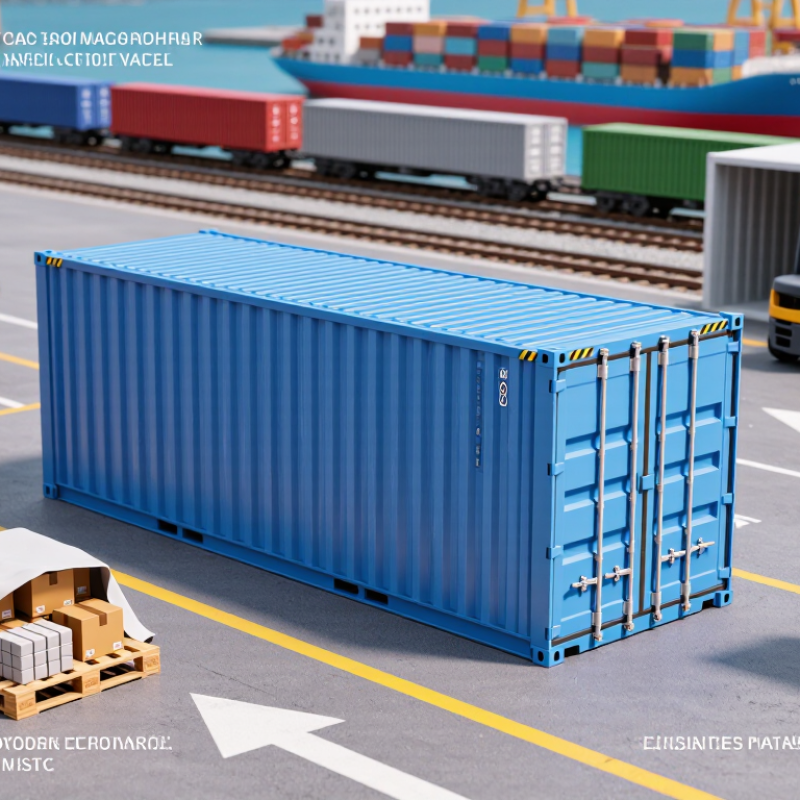
A transport container is a reusable cargo unit built to move goods between ships, trains, and trucks. Many standard freight containers follow ISO 668, which defines dimensions and ratings for compatible handling. A 20-foot container represents one TEU, while a 40-foot container generally represents two. The unit can be lifted by its corner fittings, reducing the need to handle each carton separately. That makes transfers faster and helps keep cargo enclosed during routine moves. The system is not flawless. Poor loading can still shift a pallet or leave vulnerable goods exposed to moisture.
Containers support a vast shipping network. UNCTAD’s Review of Maritime Transport 2024 reported global container-port throughput of about 858.9 million TEUs in 2023. TEU measures capacity, not the number of individual containers. At a port, cranes move container units between vessels and the quayside; trucks and rail then carry them inland. A sealed unit can also reduce repeated handling, though seals do not guarantee careful treatment or prevent every delay. For shippers, choosing the right container means checking cargo dimensions, weight, ventilation needs, and handling points before loading. A few centimetres matter. One awkward pallet can waste space or complicate unloading.
Why Choose a Transport Container for Shipping? — What a Transport Container Is and How It Supports Shipping
A transport container is a standardized, reusable cargo unit designed to move goods between ships, trains, and trucks. Its consistent dimensions and handling features help simplify intermodal shipping.
| Container Type | Typical External Dimensions | Typical Capacity or Payload | How It Supports Shipping | Key Consideration |
|---|---|---|---|---|
| 20-foot dry container | About 6.06 m long × 2.44 m wide × 2.59 m high | About 33 m³ internal volume; payload commonly around 28,000 kg, depending on the unit | Provides an enclosed, weather-resistant space for general cargo and is practical for heavier loads that do not fill a longer container. | Check the container’s door opening, internal dimensions, tare weight, and maximum gross weight before loading. |
| 40-foot dry container | About 12.19 m long × 2.44 m wide × 2.59 m high | About 68 m³ internal volume; payload is often lower than that of a 20-foot unit because the container itself weighs more | Offers additional floor space for larger or higher-volume shipments using standard container-handling equipment. | Weight limits and road transport rules may restrict how much cargo can be loaded, even when space remains. |
| 40-foot high-cube container | About 12.19 m long × 2.44 m wide × 2.90 m high | About 76 m³ internal volume, depending on the container’s design | Provides extra vertical clearance for bulky, lightweight, or taller cargo while retaining a standard 40-foot footprint. | Confirm the overall loaded height against clearance limits on roads, rail routes, and at facilities. |
| Refrigerated container (reefer) | Commonly available in 20-foot and 40-foot formats; exterior dimensions vary by model | Usable space is reduced by insulation and refrigeration equipment; payload depends on the unit’s rating | Maintains a controlled temperature for suitable perishable or temperature-sensitive goods during transit. | Requires a compatible power supply and monitoring; temperature settings must suit the cargo. |
| Open-top container | Commonly available in 20-foot and 40-foot formats; dimensions vary by specification | Capacity depends on size; cargo may be loaded from above when the roof covering is removed | Accommodates cargo that is difficult to load through standard end doors, including some tall or bulky items. | Cargo may need suitable weather protection and secure lashing; loading height and route limits still apply. |
| Flat-rack container | Commonly available in 20-foot and 40-foot formats, with end walls that may be fixed or collapsible | Payload and usable loading area vary by model and container rating | Supports oversized or unusually shaped cargo that cannot fit inside an enclosed container, such as certain machinery. | Cargo typically needs specialist securing, and the shipment may require out-of-gauge handling or route planning. |
| Standardized handling and transfer | Designed around widely used international container dimensions and corner fittings | Maximum gross weight is marked on each container and must not be exceeded | Allows compatible lifting equipment to transfer containers between vessels, railcars, and trucks with less direct cargo handling. | Equipment compatibility, container condition, cargo securing, and local transport regulations must be verified. |
Dimensions, internal volume, tare weight, and payload are approximate examples for common container types. Actual specifications vary by manufacturer, model, age, and operator; use the markings on the specific container and confirm applicable transport limits before shipping.
Related Posts
-

Top 10 Best Sea Containers for Safe and Efficient Shipping in 2023
-

Top 10 Transport Container Solutions for Efficient Shipping and Storage
-

Top 10 Sea Container Options for Global Buyers?
-

How to Buy Sea Can Containers for International Shipping?
-

2026 Best Ocean Containers for Global Buyers to Consider?
-
What Are Cargo Storage Containers Used For?