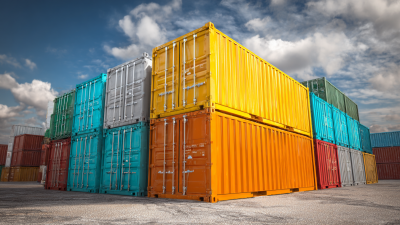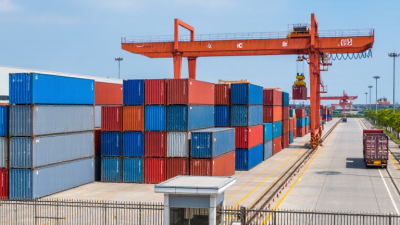

Cargo storage containers provide practical, secure space for businesses, farms, construction teams, and households. They protect equipment, packaged goods, tools, and seasonal materials from rain, dust, sunlight, and unnecessary handling. Many are made from weather-resistant steel, with reinforced doors and lockable entry points. Their strong structure makes them useful beside warehouses, loading areas, workshops, and temporary project sites.
The right container depends on the cargo, storage period, available space, and local conditions. A dry, level foundation helps prevent water pooling and uneven door operation. Ventilation may also reduce condensation when temperatures change sharply. Inside, shelves, pallets, labels, and clear walkways can make daily access safer and faster. Measurements should be checked carefully, including door width and internal height. Small mistakes matter.
In practical use, these units can support inventory overflow, equipment storage, relocation, and controlled site logistics. However, a container is not automatically suitable for every product. Temperature-sensitive goods may require insulation or monitored climate control. Heavy loads need proper weight distribution and safe handling equipment. Regular inspections can reveal rust, damaged seals, blocked vents, or water entry before losses occur.
Reliable storage starts with matching the container to the cargo. That sounds simple. It is not always simple. This guide explains common applications, essential features, preparation methods, and maintenance considerations. It also highlights limitations, because dependable storage requires more than a strong steel box.
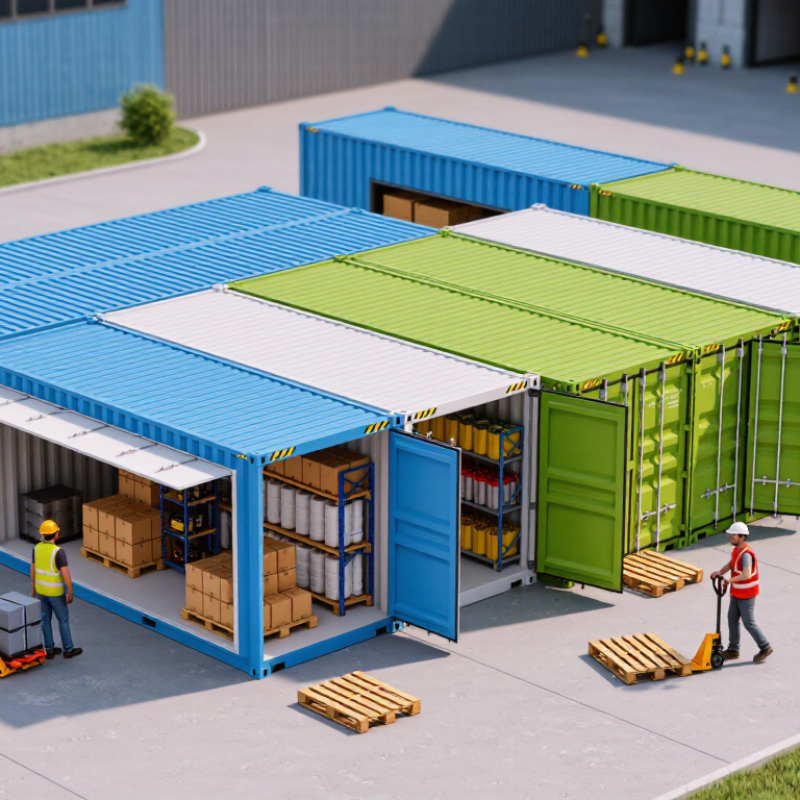
What Are Cargo Storage Containers Used For?
Under ISO 668, a cargo storage container is a standardized, reusable unit designed for handling, stacking, and transport. Its dimensions, corner fittings, gross mass ratings, and handling features support consistent use across ships, railways, and trucks. The familiar 20-foot and 40-foot formats are practical examples, but ISO 668 covers a wider range of container types.
The structure matters. Reinforced corner castings must engage lifting equipment and twistlocks correctly. Floor strength, wall panels, doors, and roof design also affect safe storage. UNCTAD’s Review of Maritime Transport 2023 reported a global container fleet of roughly 26.6 million TEU, showing the scale of this standardized system. Yet, a container’s size alone does not prove its safety.
The CSC Convention adds a separate safety framework. A compliant unit normally carries a visible Safety Approval Plate, showing its identification, maximum gross weight, stacking limits, and inspection information. Owners and operators must follow the required examination scheme, including periodic inspections or approved continuous systems. A CSC plate is essential, but it is not permanent evidence of good condition. Dents, cracked welds, corroded corner posts, or damaged floors can change the risk quickly. The Bureau of International Containers reported that inspection quality remains important because container damage often develops during repeated handling. The distinction sounds tidy, but field practice is not always tidy. A unit used for warehouse storage may still need transport-grade structural checks, especially when loaded, stacked, or lifted.
Cargo storage containers are used for transporting, protecting, and temporarily storing goods in ports, warehouses, construction sites, and industrial facilities. The chart compares nominal external dimensions for common ISO container configurations. ISO 668 specifies container classification and dimensional requirements, while the CSC framework focuses on structural safety, examination, and authorization for international transport.
Dimensions are nominal external measurements in metres. Actual internal capacity varies according to wall thickness, doors, fittings, and container design.
What Are Cargo Storage Containers Used For?
How 20-Foot TEU and 40-Foot FEU Containers Support Goods Storage
Cargo storage containers provide secure, movable space for products, equipment, and materials. A 20-foot TEU container offers about 33 cubic meters of internal capacity. It suits compact, heavy goods such as machinery parts, boxed tools, and building supplies. Its shorter floor area can also simplify loading with a forklift.
A 40-foot FEU container provides nearly twice the length, with roughly 67 cubic meters of usable space. It works well for cartons, furniture, packaged textiles, and seasonal inventory. A warehouse team can place pallets in rows, leaving a narrow path for inspection. However, cubic capacity does not guarantee efficient storage. Poorly planned stacking can block doors and waste valuable space.
Container use requires practical checks. Staff should inspect the roof, floor, door seals, and ventilation openings before loading. Moisture absorbers and wooden pallets can reduce condensation damage, especially during temperature changes. Heavy items should stay low and near the center. Uneven weight may affect safe handling and transport stability.
A 20-foot unit is not always cheaper for small orders. A 40-foot unit may reduce handling when inventory grows, but unused space can increase internal movement. That trade-off deserves review. Storage conditions also matter. Electronics, paper, and sensitive materials may need controlled temperature or humidity beyond a standard container’s capabilities. Clear labels, stock records, and routine inspections help teams identify damage early. Even a clean container can develop hidden moisture problems.
Businesses use cargo storage containers to hold inventory close to daily operations. They support on-site warehousing when permanent space is limited, expensive, or still under construction. UNCTAD’s Review of Maritime Transport 2024 reports that over 80% of global merchandise trade by volume moves by sea. This highlights the importance of standardized containers across supply chains.
A container can store spare parts, packaged goods, tools, seasonal stock, or production materials. Its steel structure offers protection from rain, dust, and unauthorized access. Managers can place units near loading areas, reducing walking time and unnecessary vehicle movements. However, containers are not a magic warehouse. Poor ventilation may create condensation, while weak floor planning can slow picking. MHI’s 2023 Annual Industry Report found that 83% of supply chain professionals expected major operational changes within five years. Flexible storage can help, but only when inventory systems remain accurate.
Tips: Choose a level surface and inspect drainage after heavy rain. Use shelving that leaves airflow around walls. Label every pallet with item codes, quantities, and dates. Keep frequently used goods near the doors. Check temperature-sensitive products more often. A basic inspection log is useful, though many teams forget to update it. Before delivery, confirm access for trucks, lifting equipment, and emergency routes. Regular stock counts also reveal a difficult truth: extra space can hide poor inventory control.
Cargo storage containers are used to hold, move, and stage goods between warehouses, ports, and job sites. Their steel walls create a firm barrier against rain, wind, dust, and direct sunlight. A properly closed container can keep cartons dry during a sudden storm. However, protection depends on its condition and placement.
Experienced warehouse teams inspect door seals, roof panels, floorboards, and locking points before loading. Small gaps can admit moisture. Poor ventilation can also create condensation, especially when daytime heat meets cold metal at night. Desiccant packs, raised pallets, and airflow gaps help reduce this problem. They are simple measures. They are not perfect.
Security improves when cargo is packed tightly and access is controlled. A hardened lock, an internal inventory record, and regular inspections can discourage unauthorized entry. Containers also protect goods during handling risks. Forklifts, cranes, and trucks may cause sudden movement, so cargo needs bracing, corner protection, and weight-balanced loading. Fragile items should not press against the doors. Heavy boxes belong low and near the center. Yet even careful loading can fail if workers rush or ignore shifting cargo. Checking straps after transport is a practical habit. The container helps, but it cannot replace skilled handling, accurate records, and routine inspection.
Cargo storage containers are practical, movable rooms for construction, retail, agriculture, and logistics. On construction sites, they protect power tools, scaffolding parts, cables, and protective equipment from rain and theft. Their steel walls also create a clear boundary between stored materials and active work zones. However, poor ventilation can trap moisture and damage timber, cement bags, or electronic tools. Container placement needs planning.
Retailers use containers as temporary stockrooms during seasonal peaks, store renovations, and promotional campaigns. The National Retail Federation reported that U.S. retailers faced about 14.5% in merchandise returns in 2023. That pressure makes flexible storage useful, especially when backroom space is limited. Agricultural operators use containers for packaged feed, spare irrigation parts, and non-perishable supplies. They should not store temperature-sensitive goods without verified climate control. A cheap solution can become an expensive mistake.
In logistics, containers support cross-docking, overflow inventory, and short-term shipment staging. UNCTAD’s Review of Maritime Transport 2024 recorded global container port throughput of about 858.9 million TEUs in 2023. That volume shows why secure, standardized storage remains important near ports, warehouses, and distribution yards. Yet containers are not automatically efficient. Access routes, loading limits, drainage, ventilation, and inventory records determine their real value. A labeled floor plan helps. An unlocked container does not.
| Industry | Common Storage Purpose | Recommended Container Type | Typical Goods Stored | Typical Capacity | Key Requirements | Main Benefits |
|---|---|---|---|---|---|---|
| Construction | Secure on-site storage for materials, tools, and equipment | Standard dry cargo container; high-cube container for bulky items | Hand tools, power tools, pipes, timber, cable, fixtures, and packaged materials | Approximately 28–33 m³ for common 20-foot units; 56–67 m³ for common 40-foot units | Lockable doors, level placement, ventilation, safe access, and separation of hazardous materials | Reduces theft, protects supplies from weather, and creates storage close to the work area |
| Retail | Overflow inventory, seasonal stock, and temporary storage during renovation | Dry cargo container; insulated unit for temperature-sensitive merchandise | Cartons, display materials, packaged goods, store fixtures, and promotional stock | Commonly 15–30 standard pallets, depending on pallet dimensions and loading pattern | Inventory organization, moisture control, pest prevention, and suitable fire and access procedures | Expands storage capacity without a permanent building and supports short-term demand peaks |
| Agriculture | Storage of supplies, tools, packaged produce, and non-perishable inputs | Dry cargo container; ventilated or refrigerated unit where product conditions require it | Seeds, animal feed, fertilizer, irrigation parts, farm tools, packaging, and harvested crops | Approximately 28–67 m³, depending on container length and storage layout | Dry floors, airflow, pest control, protection from condensation, and compliance for chemicals or feed | Protects supplies from rain and sunlight while keeping frequently used materials near fields or facilities |
| Logistics | Temporary freight storage, consolidation, staging, and transfer between transport modes | Standard dry cargo container; refrigerated container for controlled-temperature cargo | Palletized goods, cartons, machinery, components, packaged food, and export cargo | Payload is commonly about 25–30 tonnes, subject to container rating, route limits, and local regulations | Accurate weight distribution, cargo securing, labeling, inspection, and documented chain of custody | Supports multimodal transport, simplifies cargo handling, and reduces repeated loading and unloading |
| Manufacturing | Buffer storage for components, work-in-progress materials, and finished products | Standard dry cargo container; open-side or modified unit for special handling needs | Machine parts, packaging, raw materials, tools, assemblies, and finished goods | Usually 28–67 m³, with usable space affected by racks, pallets, and aisle requirements | Stock rotation, barcode tracking, floor loading limits, ventilation, and safe material-handling access | Provides flexible capacity and helps maintain production continuity during demand fluctuations |
| Emergency and Remote Operations | Secure storage for relief supplies, field equipment, and temporary operations | Standard dry cargo container; insulated or modified unit when environmental control is needed | Water, packaged food, medical supplies, generators, clothing, tools, and temporary equipment | Commonly 28–67 m³, depending on the deployment scale and transport access | Rapid placement, weather protection, access control, ventilation, and clear inventory procedures | Deploys quickly, withstands outdoor conditions, and can be relocated as operational needs change |
Note: Actual internal volume, payload, pallet capacity, and permitted cargo weight vary by container specification, loading method, equipment condition, road limits, and applicable safety regulations.