
 عربي
 عربي
News & Blogs
How Much Does Shipping a Container from China Cost?
Shipping a container from China can cost far more than the ocean freight rate shown on a quote. The final bill may include pickup, export handling, customs documentation, port charges, insurance, and delivery at destination. Costs vary by route, season, container size, and service type. A 20-foot container and a 40-foot container are not priced in a simple two-to-one ratio. Details matter.
Peter Sand, Xeneta’s chief analyst, has frequently discussed how ocean freight rates respond to shifting supply and demand. His analysis points to a useful takeaway: a rate is a snapshot, not a promise. Treat that as a paraphrase, not a direct quotation. Even a careful estimate can miss a local fee or a change in sailing schedules.
A reliable comparison starts with the same shipment details. Confirm the origin address, destination, cargo dimensions, container type, and whether the quote includes door-to-door service. Ask which charges are excluded, and check how long the offer remains valid. Read the fine print. A low headline price can hide costs that appear later, sometimes when the container is already moving. That is frustrating, and easy to overlook. This guide explains the main cost components, common pricing choices, and practical questions to ask before booking. It cannot replace a current, written quote for your specific shipment.
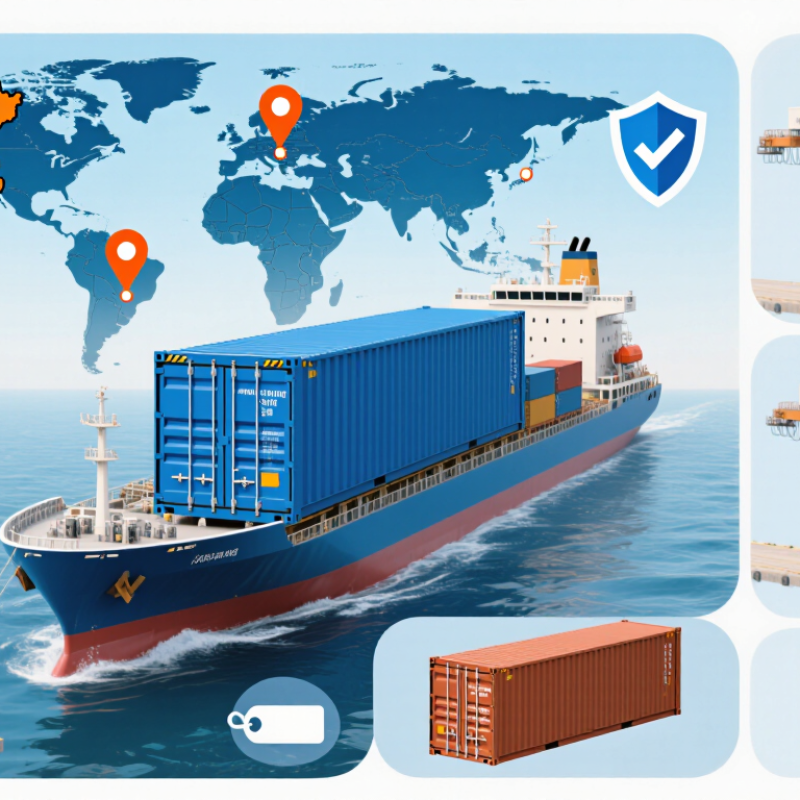
What Determines the Cost of Shipping a Container from China?
The cost of shipping a container from China depends on more than the distance between ports. For a 20-foot or 40-foot container, ocean freight is only one part of the quote. Departure and arrival ports, sailing season, and vessel space can all affect the rate. Peak demand may push prices up, while a less direct route can add time and charges. Rates move.
Origin costs may include factory pickup, trucking, export handling, and documentation. At the destination, port handling, customs brokerage, and delivery to a warehouse can add substantially to the total. The quoted shipping terms matter: they determine which party pays for particular stages. Ask for a breakdown, not just one attractive ocean-freight figure. Small details matter.
Cargo weight, dimensions, and loading readiness can also influence costs. A container that misses its planned sailing may face storage or schedule changes. Insurance is another possible expense, depending on the coverage selected. Compare quotes for the same ports, dates, container size, and service scope. I would treat any early estimate as provisional; fuel charges and local fees can change before booking. A clear quote should state what is included, what is excluded, and how long the price remains valid.
How Much Does Shipping a Container from China Cost? – What Determines the Cost of Shipping a Container from China?
| Cost Determinant | What It Means | How It Affects the Cost | Useful Planning Data |
|---|---|---|---|
| Shipping route and destination port | The origin and destination ports, the sailing distance, and whether the shipment uses a direct service or transshipment. | Longer routes and less frequent services generally cost more. Transshipment can add handling charges and increase the chance of delays. | Compare quotes for the same origin, destination, service type, and departure week. |
| Container type and size | Standard options include 20-foot and 40-foot dry containers; a 40-foot high-cube container provides extra internal height. | Larger or specialized equipment usually costs more than a standard 20-foot container. Availability can also affect the rate. | A typical 20-foot container holds about 33 m³; a 40-foot standard container about 67 m³; a 40-foot high-cube about 76 m³. Actual usable capacity varies by container and cargo. |
| FCL or LCL shipping | FCL (full container load) reserves a container for one shipment. LCL (less than container load) combines cargo from multiple shippers. | FCL is commonly priced per container. LCL is commonly priced by volume or weight and includes consolidation and deconsolidation charges. For larger shipments, FCL may be more economical. | Compare the complete door-to-door or port-to-port total—not only the ocean freight rate. |
| Cargo weight and dimensions | The shipment’s gross weight, volume, packaging, and ability to be stacked. | Heavy cargo can trigger weight limits or equipment requirements. Bulky, non-stackable, or out-of-gauge cargo may require special handling and a higher rate. | Provide packed dimensions and gross weight for every package, as well as the total shipment figures. |
| Origin charges in China | Possible charges include export documentation, terminal handling, customs clearance, cargo collection, and warehouse handling. | These charges may be billed separately from the ocean freight rate and vary with the pickup location, port, service scope, and shipment arrangement. | Ask whether the quote includes export customs clearance, origin terminal handling, and inland transport. |
| Destination charges | Possible charges include destination terminal handling, documentation, customs brokerage, port security, and delivery from the port. | Charges depend on the destination port, local tariff schedules, carrier terms, and whether delivery is included. They can materially change the final landed transport cost. | Request a written breakdown of destination fees and confirm the free time allowed before storage or demurrage charges may apply. |
| Inland transport | Moving the container between the factory or warehouse and the port, or from the destination port to the final delivery address. | Distance, truck availability, road restrictions, fuel costs, and container-loading or unloading arrangements affect the price. | Specify exact pickup and delivery postcodes and whether loading, unloading, and appointments are required. |
| Season and booking date | Demand changes with peak shipping periods, holidays, capacity constraints, and short-term market conditions. | Rates and equipment availability can rise during busy periods or when vessel space is limited. A quote may expire quickly. | Compare quotes for the same cargo-ready date and check the rate’s validity period and space confirmation. |
| Transit time and service level | The selected sailing schedule, routing, and requested delivery speed. | Expedited options or routes with fewer transshipments may cost more. A longer transit time can lower the freight rate but may increase inventory and storage costs. | Ask for the estimated port-to-port transit time and whether it excludes customs, port congestion, and final delivery. |
| Customs duties, taxes, and cargo compliance | Import duties and taxes depend on the destination country, product classification, customs value, and applicable trade rules. | These amounts are separate from freight charges. Incorrect documentation or regulated goods can lead to inspections, extra fees, or delays. | Confirm the correct HS code, customs value, importer responsibilities, and any permits or product-specific requirements. |
| Incoterms and insurance | Incoterms allocate transport responsibilities, costs, and certain risks between the seller and buyer. Cargo insurance is a separate coverage decision. | A low quoted freight price may exclude services the buyer must arrange under the agreed Incoterm. Insurance premiums depend on cargo value, coverage, and risk. | State the agreed Incoterm and named place, and check exactly which transport, clearance, and insurance costs are included. |
| Total shipping-cost calculation | The complete cost depends on the selected service and which charges are included in each quotation. | Comparing ocean freight alone can understate the final amount payable. | Planning formula: ocean freight + origin charges + destination charges + inland transport + applicable customs duties and taxes + optional insurance or special handling. |
Related Posts
-
Mastering the Process: A Comprehensive Guide to Shipping a Container Efficiently
-
How to Choose the Right Reefer Shipping Container for Your Needs?
-
2026 Top Trends in Using Empty Shipping Containers for Innovative Solutions?
-
Top 10 Benefits of Using Refrigerated Containers for Shipping?
-
10 Tips for Choosing the Right Transport Container?
-
How to Buy Second Hand Shipping Containers in 2026?