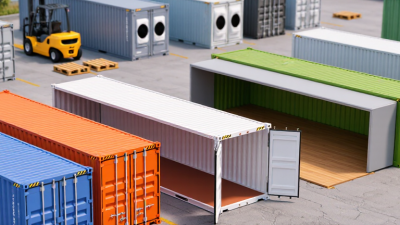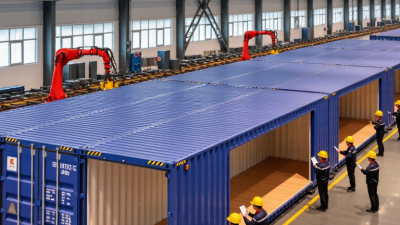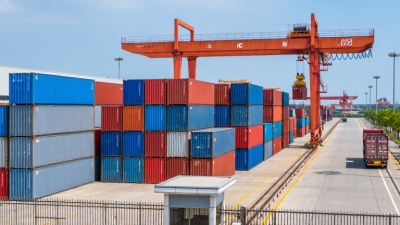

Choosing the best cargo storage containers in China starts with the job they must perform. A unit used for warehouse storage may need different features from one exposed to frequent handling or harsh weather. Capacity matters, but so do door access, floor strength, ventilation, and protection against moisture. The right choice is practical. It should fit the goods, the site, and the way people will use it.
Buyers comparing suppliers should look beyond product photos and headline prices. Ask for clear dimensions, material specifications, load information, coating details, and available inspection records. Check door alignment, weld quality, seals, and floor condition on a sample or during a documented inspection. Small details count. A stiff latch or uneven seam can become a daily frustration. Shipping and delivery arrangements also affect the total cost, so confirm what the quoted price includes.
This guide explains how to compare cargo storage containers by construction, intended use, customization, and supplier support. It also outlines practical questions to ask before placing an order, including how specifications are verified and what happens if a delivered unit differs from the agreed details. Some listings make every option sound equally durable. That deserves a closer look. No single container is best for every buyer, and specifications alone cannot show how a unit performs over time. Careful comparison can narrow the field, but independent checks and clear written requirements remain important.
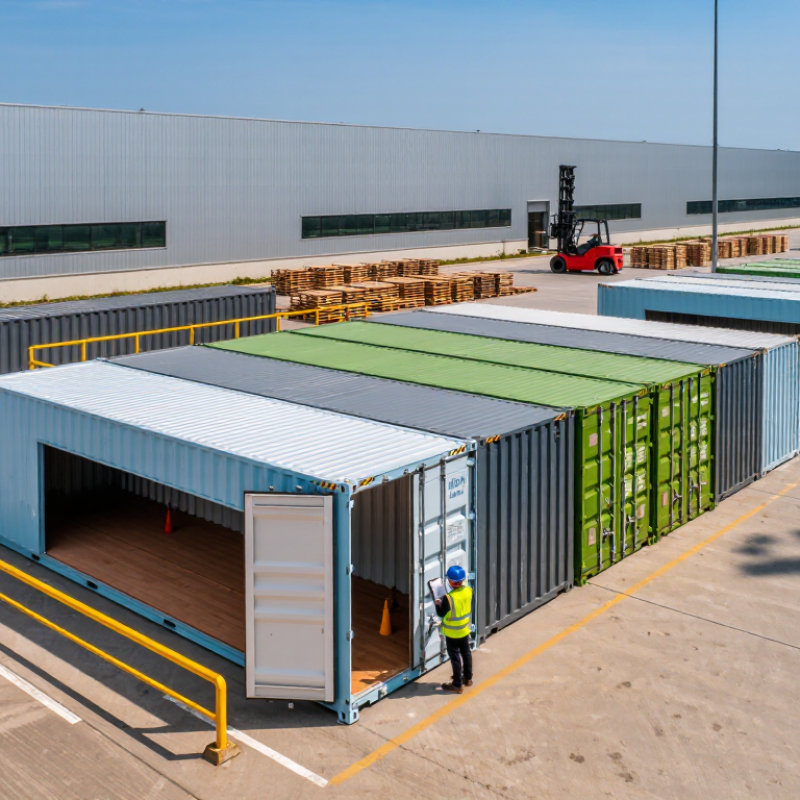
ISO 668:2020 classifies Series 1 freight containers by external dimensions and ratings. The familiar 20-foot and 40-foot units are commonly identified as 1C and 1A. Typical external dimensions are 6,058 by 2,438 mm for a 20-footer, and 12,192 by 2,438 mm for a 40-footer. Standard height is about 2,591 mm; high-cube models are about 2,896 mm tall. Check the specification, not just the label.
A 40-foot container counts as two TEU, or twenty-foot equivalent units. TEU is a capacity-accounting measure, not a guarantee of usable space or payload. UNCTAD’s Review of Maritime Transport 2024 reports 858.9 million TEU in global container port throughput for 2023. That scale helps explain why common dimensions matter: cranes, ships, and storage yards can handle standardized units more predictably.
For storage in China, match the ISO size code to the site’s door clearance, turning space, and lifting equipment. Then check the individual container’s data plate, tare mass, maximum gross mass, and condition. The rating matters. ISO dimensions alone do not tell you how much cargo a specific unit can safely hold. I would not choose by nominal length alone; it is an easy shortcut, and an imperfect one.
Comparison of standard external container lengths in meters.
ISO 668 class designations use nominal lengths. Standard external lengths are 6.058 m for a 20-foot container and 12.192 m for a 40-foot container. Both standard-height types are 2.438 m wide and 2.591 m high; high-cube containers are not shown.
For dry cargo moving through China, standard 20-foot and 40-foot containers suit boxed goods, machinery, and palletized loads. A 20-foot unit can be easier to handle when cargo is dense; a 40-foot unit offers more floor space for lighter goods. Check internal dimensions, door clearance, and the payload shown on the container’s plate, not just the advertised capacity. A few centimeters can matter when loading wide pallets. Keep cartons off damp floors with suitable dunnage, and inspect door seals for damage. Small details count.
Refrigerated containers suit temperature-sensitive cargo, but the set point alone does not guarantee stable conditions. Confirm the required temperature, airflow, power supply, and pre-cooling plan with the carrier. High-cube containers add about one foot of interior height compared with standard units, useful for tall cartons or bulky, light cargo. Oversized items may need an open-top container for top loading or a flat rack for unusual width or height. Measure the cargo, including supports and lifting points, before choosing. This is where plans sometimes fail: a load may fit on paper but leave no room for safe securing. Check weight distribution and handling arrangements with an experienced freight professional; suitability depends on the actual cargo and route.
| Cargo requirement | Suitable container type | Typical external size (L × W × H) | Approximate internal size (L × W × H) | Approx. capacity | Best suited for | Key considerations |
|---|---|---|---|---|---|---|
| General dry cargo | 20-foot standard dry container (20 ft GP) | 6.06 × 2.44 × 2.59 m | About 5.90 × 2.35 × 2.39 m | About 33 m³ | Dense or heavy cargo, boxed goods, machinery parts, and smaller shipments | Often a practical option for heavy cargo, but check the container’s rated payload, floor condition, and road-weight limits. |
| Large-volume dry cargo | 40-foot standard dry container (40 ft GP) | 12.19 × 2.44 × 2.59 m | About 12.03 × 2.35 × 2.39 m | About 67–68 m³ | Palletized goods, furniture, packaged products, and general merchandise | Offers roughly twice the length of a 20-foot unit. Actual usable space depends on packaging, loading pattern, and door clearance. |
| Light or bulky cargo | 40-foot high-cube dry container (40 ft HC) | 12.19 × 2.44 × 2.90 m | About 12.03 × 2.35 × 2.69 m | About 76 m³ | Voluminous cartons, furniture, textiles, and cargo that benefits from extra vertical space | Provides about 30 cm more internal height than a standard-height container. Confirm door opening and total loaded height. |
| Temperature-controlled cargo | 40-foot refrigerated container (40 ft reefer) | Typically about 12.19 × 2.44 × 2.90 m | Often about 11.5–11.6 × 2.28–2.29 × 2.25–2.30 m | Typically about 58–60 m³ | Chilled or frozen food, pharmaceuticals, and other cargo requiring controlled temperature | Insulation and refrigeration machinery reduce usable space. Confirm temperature range, ventilation, power availability, and pre-trip inspection requirements. |
| Top-loaded or over-height cargo | Open-top container, commonly 20 or 40 ft | Similar footprint to the equivalent standard container | Internal dimensions are similar to a dry container; the roof is removable or replaced with a tarpaulin | Varies by length and unit; generally similar to the corresponding dry-container volume | Tall machinery, awkward pieces, and cargo loaded from above by crane | Door and roof openings affect loading. Cargo above the container’s standard profile may require an out-of-gauge booking and special securing. |
| Wide, heavy, or irregular cargo | Flat-rack container, commonly 20 or 40 ft | Similar length and width footprint to the equivalent standard container; end-wall height and design vary | No enclosed internal dimensions; cargo rests on a strong platform between end walls or on a collapsible unit | Not measured as enclosed cubic capacity | Industrial equipment, vehicles, construction materials, and cargo exceeding standard width or height | Check platform dimensions, concentrated-load limits, lashing points, and permitted overhang. Route and vessel availability can affect cost and transit planning. |
Note: Dimensions and capacities are typical approximate values for common ISO container formats, not guaranteed specifications. Exact internal measurements, tare weight, maximum gross weight, and payload vary by equipment and must be verified against the container’s data plate and the carrier’s requirements. Cargo weight is also subject to applicable road, rail, port, and shipment limits.
For cargo storage containers in China, quoted capacity gives a useful starting point: a standard 20-foot unit holds about 33 m³, while a 40-foot high-cube unit holds roughly 76 m³. The high-cube model gains volume through extra height, not simply twice the floor space. That gap matters.
These figures describe approximate internal volume, not the space every shipment can use. Door openings, corner posts, packaging, and gaps between cartons reduce practical capacity. A stack of uniform boxes may use the space efficiently; irregular machinery can leave large pockets empty. Measure twice. Check the manufacturer’s internal dimensions and door clearance before planning a load, since specifications can vary between models.
Capacity is only one part of the choice. A 40-foot high-cube container may suit bulky, light cargo, while a 20-foot unit can be easier to position when space is limited. Heavier cargo may reach its permitted weight before filling the available volume. I would treat 33 m³ and 76 m³ as planning estimates, then compare them with the cargo’s dimensions, weight, and loading method. Real loading is rarely perfect. A small allowance for shifting and access can prevent a neat calculation from becoming an awkward packing job.
When comparing cargo storage containers in China, begin with the individual unit, not the sales description. Locate its CSC safety approval plate and photograph it in good light. Read it in daylight. Check the approval number, inspection date, maximum gross mass, tare mass, and permitted payload. Match the container’s identification number on the plate with the number on its doors and inspection documents. A CSC plate indicates that the unit met applicable approval requirements when assessed; it does not prove the container remains safe after years of use or damage. That distinction matters.
Ask for ISO 1496 test records that identify the container type and the specific tests performed. For general-purpose freight containers, ISO 1496-1 is commonly relevant. Confirm that the report’s model or unit details match what you are buying, and check its date and results. Tests may assess structural performance under stacking, lifting, racking, or floor loads. A vague certificate without traceable details deserves follow-up. Look closely.
Inspect corner castings, welds, roof bows, floorboards, and door seals. Note deep corrosion, cracks, bent fittings, or daylight entering through a damaged roof. Surface rust alone does not settle the question, but hidden repairs can complicate it. Paperwork is useful, yet it cannot reveal every later impact or poor repair. I would treat missing records as a reason for independent inspection, not as proof of failure—or proof of safety.
When choosing cargo storage containers in China, begin with the goods, not the container size. Palletized cartons may suit a standard dry unit, while machinery may need wider doors or top access. Check the cargo’s dimensions, weight, packaging, and loading method. A few centimeters can decide whether a pallet clears the doorway.
Climate matters too. In humid or coastal locations, condensation can damage paper packaging, metal parts, and textiles. A dry container with sound seals and ventilation may be enough for stable goods; temperature-sensitive cargo may require controlled cooling and a clear plan for power. Inspect the roof, floor, door seals, and signs of trapped moisture. Small detail: water stains often reveal more than a quick exterior glance.
Then assess the site and handling equipment. Measure the route, turning space, overhead clearance, and firm, level ground. Confirm whether a forklift, crane, or side loader can reach the container safely. Measure twice. A truck that can deliver the unit may not have room to position it. Before ordering, match the container’s condition and access points to daily operations, not just the delivery day. A perfect specification on paper can still be awkward in practice; that part deserves a second look.