
 عربي
عربي عربي
عربي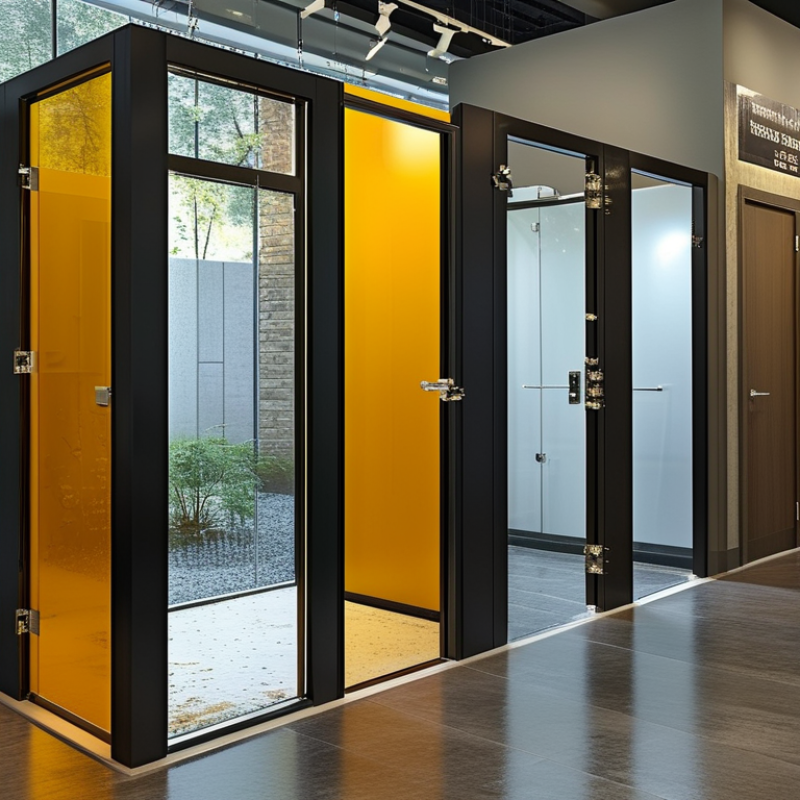
Bathroom door hinges are small components with a large daily responsibility. They connect the door, frame, and user experience in a humid environment. A suitable hinge must resist moisture, repeated opening, cleaning chemicals, and occasional impact. Stainless steel or properly protected metal can reduce corrosion risks, but material alone is not enough. Load capacity, knuckle design, screw strength, and installation accuracy also matter.
Humidity is not a minor detail. The World Health Organization and UNICEF Joint Monitoring Programme reported that 3.5 billion people lacked safely managed sanitation services in 2022. This figure concerns sanitation access, not hinge performance, but it shows why dependable bathroom infrastructure matters globally. In commercial projects, a misaligned door may scrape the floor, close poorly, or create accessibility problems. The 2023 UNEP Global Status Report for Buildings and Construction states that buildings account for about 37% of global energy-related emissions. Durable hardware supports longer service life and fewer replacement-related impacts, although one hinge cannot solve a building’s sustainability challenges.
Project teams should test hinges under realistic conditions. Look at corrosion resistance, cycle testing, door weight, and local maintenance practices. A bathroom near a coast needs more protection than one in a dry inland hotel. This is easy to overlook. Choosing only by purchase price can create higher labor costs later. Even experienced installers sometimes underestimate frame movement or poor screw anchoring. For global projects, clear specifications and documented test results provide stronger reliability than attractive packaging or vague durability claims.