
 عربي
 عربي
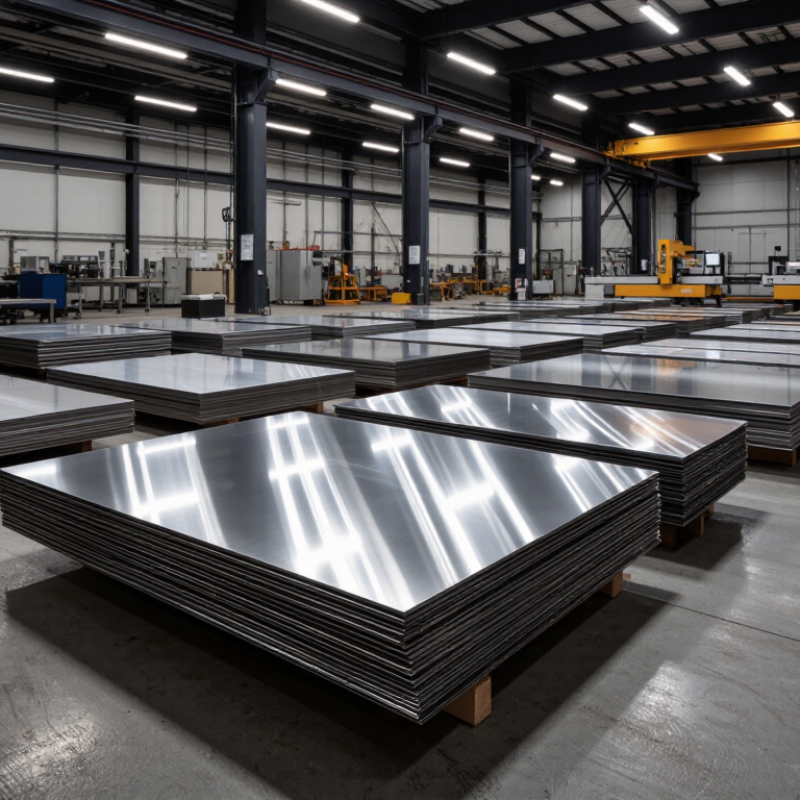
Why Choose 304 Stainless Plate for Global Projects?
Selecting 304 stainless plate starts with corrosion exposure, not price. Its typical chromium and nickel content supports a stable passive surface in many indoor, food-processing, and mildly industrial environments. However, chloride exposure can cause pitting, especially near coastlines or washdown zones. Do not call it marine-proof. The NACE IMPACT study estimated that corrosion costs about 3.4% of global gross domestic product, making early material selection financially important. Site records, cleaning chemicals, humidity, and temperature deserve careful review.
Thickness must match both design loads and fabrication conditions. Thin plate may reduce weight, but it can distort during welding or suffer handling damage. Thicker plate improves stiffness, yet increases cutting time, transport weight, and installation effort.
Engineers should check the applicable design code and ASTM A240 requirements, rather than selecting thickness by habit. A neat spreadsheet can still mislead. Real projects often reveal underestimated weld shrinkage or unsupported spans.
Cost includes more than the purchase invoice. The World Stainless Association reported global crude stainless steel production above 58 million tonnes in 2023, showing a broad international supply base. That does not guarantee local stock. Prices still move with nickel markets, energy costs, freight, and currency changes. Grade 304 is widely specified, so standard sizes are often easier to source than specialized grades. Still, confirm mill certificates, surface finish, tolerances, and delivery dates before approval. Availability is a project factor, not an assumption.