
 عربي
عربي عربي
عربيNews & Blogs
Top 10 Sea Can Storage Solutions for Efficient Space Management
In recent years, the demand for efficient space management solutions has surged, particularly in the warehousing and construction sectors. As urban populations grow and the need for storage escalates, many businesses are turning to sea cans, also known as shipping containers, for flexible and cost-effective storage options. According to the Container Owners Association (COA), the global shipping container market is projected to exceed USD 9 billion by 2025, highlighting a significant opportunity for innovative storage solutions.
Sea cans offer versatility and durability, making them ideal for various applications, including temporary storage for construction sites, permanent on-site storage for retail businesses, and even mobile offices. A report by Research and Markets indicates that the modular storage market, which includes sea cans, is expected to witness substantial growth, driven by their adaptability in meeting diverse logistical needs. As organizations seek to optimize their space utilization, understanding the best storage solutions becomes crucial.
This article will explore the top 10 sea can storage solutions that can enhance efficiency and maximize space management. By leveraging these solutions, businesses can not only streamline their operations but also ensure that they remain competitive in an ever-evolving market landscape.

Types of Sea Can Storage Solutions: A Comprehensive Overview
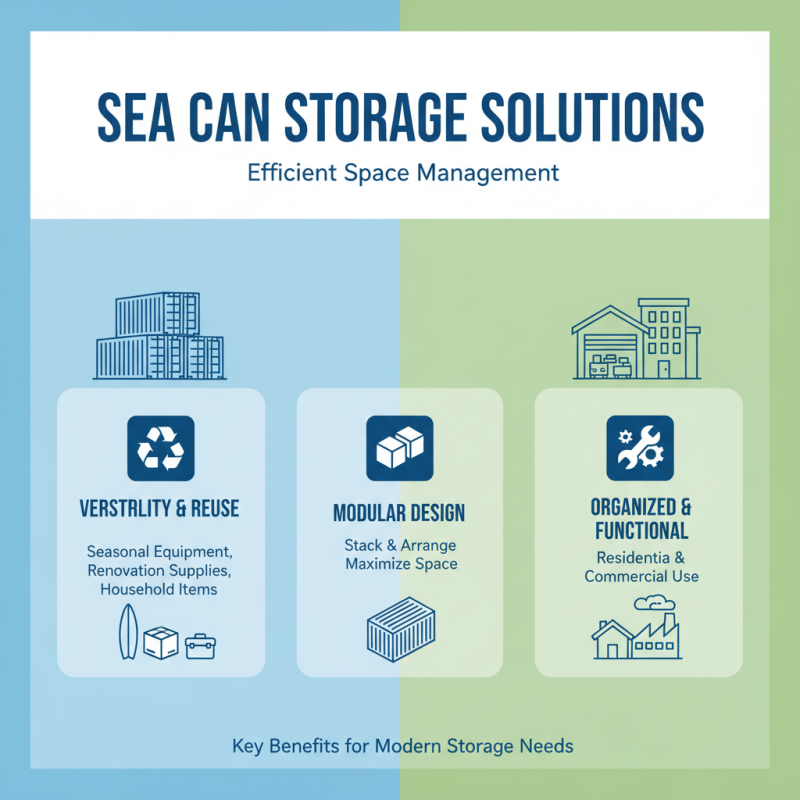
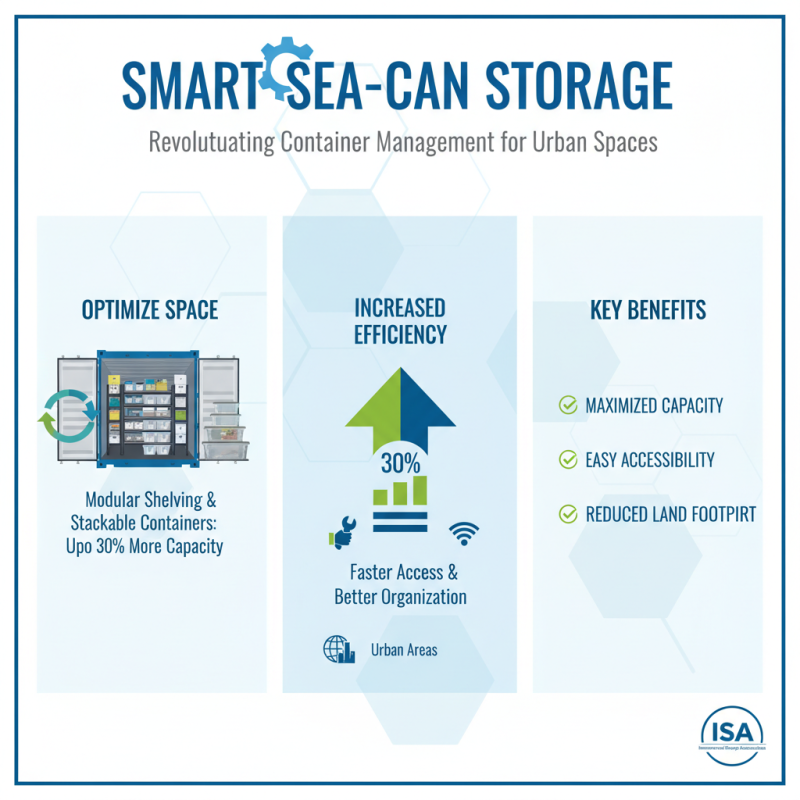
When it comes to optimizing space management, sea can storage solutions offer versatile options that cater to a variety of needs. One popular solution is the modular storage unit, which allows users to customize the organization of goods. These units can be stacked or arranged in different configurations, making efficient use of vertical and horizontal space. Such flexibility is particularly advantageous for businesses with fluctuating inventory levels, enabling them to adapt quickly without the need for extensive renovations.
Another effective type of sea can storage solution is the climate-controlled container. These units are ideal for storing sensitive items that require specific temperature and humidity levels. By incorporating insulation and temperature regulation systems, businesses can ensure that their products remain in optimal condition, thereby minimizing waste and loss due to environmental factors. Additionally, mobile sea can storage can be utilized for on-site projects, allowing for immediate accessibility while maintaining logistical organization, essential for time-sensitive operations. Overall, these diverse options empower users to select the ideal storage solutions tailored to their specific operational requirements.
Top 10 Sea Can Storage Solutions for Efficient Space Management
| Storage Solution Type | Description | Features | Capacity (Cubic Feet) | Ideal Use Case |
|---|---|---|---|---|
| Standard Sea Can | A sturdy container for general storage of various items. | Weatherproof, secure, stackable | 320 | Construction sites, shipping |
| Refrigerated Sea Can | Temperature-controlled storage for perishable goods. | Insulated, energy-efficient, dual temperature zones | 280 | Food storage, pharmaceuticals |
| Modified Sea Can | Customized containers for specific storage needs. | Adaptable interior layouts, secure shelving | 320 | On-site offices, workshops |
| Flat Rack Sea Can | Ideal for oversized cargo that doesn't fit standard containers. | Open structure, versatile loading options | 400 | Heavy machinery, large shipments |
| High Cube Sea Can | Extra height for additional storage space. | Extra tall, versatile | 390 | Furniture storage, seasonal items |
| Open Top Sea Can | Allows for easy loading of tall or bulky items. | Removable top, crane accessibility | 320 | Construction debris, heavy equipment |
| Storage Container with Shelving | Organized storage with built-in shelving units. | Efficient space use, easy access | 300 | Retail, inventory management |
| Ventilated Sea Can | Designed for items needing air circulation. | Airflow, moisture control | 320 | Wood products, textiles |
| Insulated Sea Can | Energy-efficient storage with thermal insulation. | Temperature control, energy savings | 320 | Sensitive equipment, electronics |
Related Posts
-

Top 10 Transport Container Solutions for Efficient Shipping and Storage
-

Innovative Uses of Sea Containers in Modern Sustainable Architecture
-
What is Cargo Storage Containers? A Complete Guide to Their Uses and Benefits
-

Why Transport Containers Are Essential for Modern Logistics Solutions
-
How to Choose the Right Shipping Containers for Your Needs
-

Top 10 Benefits of Using Refrigerated Containers for Your Cold Chain Logistics