


Choosing a Lifepo4 Battery manufacturer is no longer just a price comparison. Buyers must weigh cell consistency, production capacity, traceable test results, warranty terms, and technical support. One weak point can become visible later, when a battery pack runs hot or arrives with incomplete documentation. Small details matter.
The International Energy Agency’s Global EV Outlook 2024 reports that lithium iron phosphate batteries reached nearly 40% of the global electric-car battery market in 2023, up from less than 10% in 2020. BloombergNEF’s 2024 Battery Price Survey put the average lithium-ion pack price at $115 per kilowatt-hour. These figures show why LFP attracts buyers seeking cost competitiveness, but they do not prove that every supplier offers equal quality. Fatih Birol, the IEA’s Executive Director, said, “The growth in electric car sales is unstoppable – the question is how quickly it will happen.” The market is moving fast.
For global buyers, this guide compares manufacturers through practical signals: product range, quality systems, certifications, export experience, and after-sales response. A polished catalog is useful, but it cannot replace independent verification of specifications and sample testing. No shortlist is complete. Regional pricing, shipping conditions, and support networks can change the result. A ranking may also overlook a smaller supplier with better service. That is worth checking, not assuming.
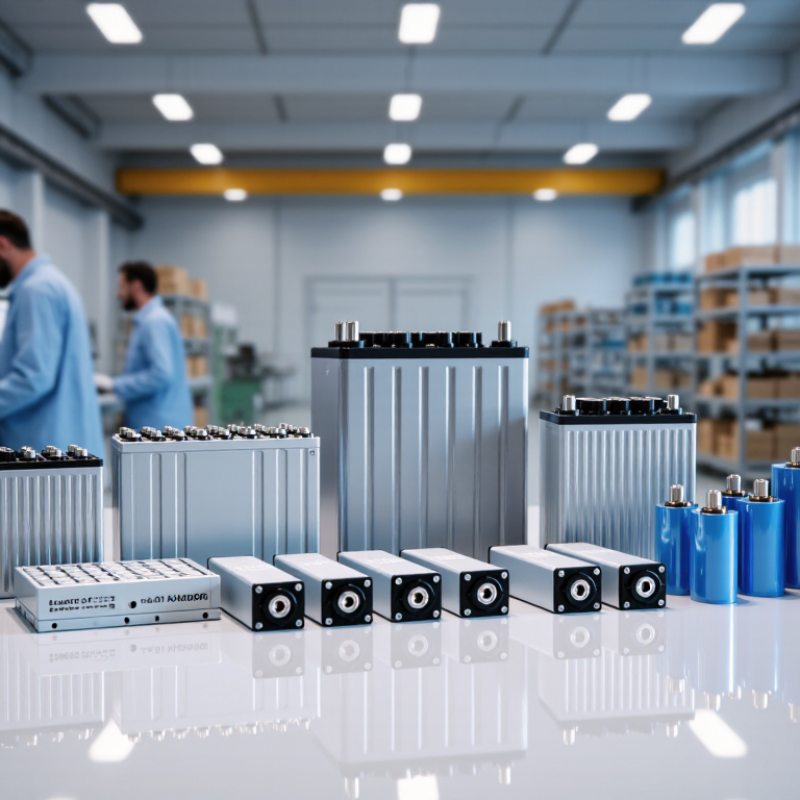
LiFePO4, or LFP, batteries use lithium iron phosphate as the cathode material and usually graphite as the anode. Lithium ions move between the electrodes during charging and discharging. The chemistry is valued for thermal stability and long cycle life. It also avoids nickel and cobalt in the cathode. There is a trade-off. LFP cells generally store less energy per kilogram than nickel-rich alternatives, so a vehicle may need a larger, heavier pack for the same range. Cold conditions can also reduce available power. Actual results depend on cell design, battery controls, and installation.
Applications include electric vehicles, home storage paired with rooftop solar, and stationary grid systems. In a cabinet, a battery management system tracks cell voltage and temperature; ventilation and installation quality still matter. The International Energy Agency’s Global EV Outlook 2024 reports that LFP reached nearly 40% of the global electric-car battery market in 2023, up from less than 10% in 2020. Its Batteries and Secure Energy Transitions report records 42 GW of new battery storage capacity in the power sector during 2023. That figure covers battery storage overall, not LFP alone. LFP can suit stationary projects where space is less constrained, but project economics and local operating temperatures deserve careful review.
Global buyers should evaluate a LiFePO4 manufacturer beyond its catalogue and quoted price. Start with the production site: ask about monthly capacity, equipment maintenance, and how orders are scheduled during peak demand. Request recent inspection records and examples of batch-level documentation. Numbers need context.
Quality claims matter only when the testing method is clear. Review incoming-cell checks, assembly controls, and final inspection procedures. Ask for traceable batch records that connect cells, production dates, and finished battery units. Confirm test conditions, such as temperature and discharge rate. A stated cycle life means little without these details. Ask for evidence.
Procurement also depends on communication and delivery consistency. Check whether forecasts, lead times, and shipping plans are documented rather than given as informal estimates. Discuss packaging, storage conditions, and support for installation questions before placing a large order. Clarify warranty coverage and the steps for handling a verified defect. A polished audit does not guarantee smooth cooperation. Even experienced teams can overlook slow responses or vague records; those small gaps deserve a second look.
| Evaluation Area | What to Evaluate | Evidence to Request | Why It Matters for Global Procurement |
|---|---|---|---|
| Cell and pack specifications | Confirm chemistry, nominal voltage, rated capacity, operating limits, dimensions, weight, and terminal configuration. A LiFePO4 cell typically has a nominal voltage of about 3.2 V; exact charge and discharge limits depend on the cell specification. | Controlled datasheets, pack drawings, model-specific specifications, and written confirmation of tolerances. | Clear, model-specific data helps prevent system incompatibility and makes supplier quotations comparable. |
| Capacity and performance testing | Check the stated capacity, discharge rate, temperature, and end-of-discharge voltage used in testing. Compare performance only when test conditions are equivalent. | Capacity test reports, test procedures, sample results, and agreed acceptance criteria for incoming inspection. | Capacity figures are difficult to compare without the conditions and measurement method behind them. |
| Cycle-life claims | Ask how cycle life is defined, including depth of discharge, charge and discharge rates, temperature, and remaining-capacity threshold. Cycle-life results are condition-dependent. | Test protocol, complete or representative test data, and the conditions attached to any published cycle-life figure. | A stated cycle count alone does not establish service life under a buyer’s actual operating profile. |
| Battery management system | Verify protection functions, balancing method, current limits, temperature monitoring, alarms, and communication interfaces required by the application. | BMS datasheet, protection thresholds, wiring diagram, communication protocol details, and functional test records. | BMS configuration affects safety, system integration, and the usable performance of the battery pack. |
| Safety and market compliance | Identify the standards and regulatory requirements applicable to the destination market and end use. UN 38.3 relates to transport testing; IEC 62619 covers safety requirements for industrial lithium secondary cells and batteries. Applicability depends on the product and use case. | Current, model-relevant test reports or certificates, issuing-body details, and confirmation of the scope covered. | Compliance needs vary by destination, transport mode, and application; documentation should match the exact product being purchased. |
| Quality management and traceability | Review production controls, inspection stages, change management, and traceability from cells through finished packs. A quality-management certificate does not by itself certify battery safety or performance. | Quality-system documentation, sample inspection records, batch or serial-number traceability, and nonconformance procedures. | Traceability and consistent controls support audits, issue investigation, and repeat orders. |
| Production capacity and lead time | Assess available capacity for the required pack design, forecast volumes, seasonal demand, and agreed delivery schedule. Distinguish standard products from custom-engineered products. | Written production schedule, capacity plan, sample or pilot-build timeline, and order-change terms. | Realistic capacity planning reduces the risk of missed launches and unplanned supply gaps. |
| Shipping and dangerous-goods documentation | Confirm the shipping classification, packaging, labeling, and documents required for the battery configuration and transport route. Requirements can differ by transport mode and jurisdiction. | Applicable UN 38.3 test summary, shipping information, packaging details, and documents required by the carrier and destination authorities. | Incomplete or mismatched shipping documentation can delay or prevent transport and import clearance. |
| Warranty and after-sales support | Review warranty duration, coverage limits, exclusions, claim process, response times, and available technical support in the buyer’s region. | Written warranty terms, escalation contacts, troubleshooting guidance, and the procedure for defective or returned units. | Clear support arrangements are important when products are installed or serviced across borders. |
| Total landed cost | Compare the quoted product price with packaging, freight, insurance, duties, taxes, inspection, and any required local compliance costs. Confirm quotation validity and currency. | Itemized quotation, applicable trade terms, payment terms, and a documented shipping-cost estimate. | A comparable landed-cost view is more useful than comparing unit prices alone. |
| Samples and supplier verification | Validate samples against the specification before volume orders. Confirm the legal contracting entity, manufacturing location, and whether production is performed in-house or by a subcontractor. | Sample inspection plan, facility or process audit evidence where appropriate, business documentation, and written disclosure of subcontracting. | Independent checks help verify product consistency and clarify accountability in the supply chain. |
Top LiFePO4 Battery Manufacturers for Global Buyers
Leading LiFePO4 Battery Manufacturers and Their Specialties
LiFePO4 manufacturers often specialize in different parts of the battery supply chain. Some focus on cell production, while others build complete battery packs with enclosures, wiring, and battery management systems. Their strengths are not interchangeable. A maker experienced in compact backup units may not be suited to a large storage project.
Pack specialists typically tailor voltage, capacity, and communication settings for specific equipment. For example, a battery installed in a cabinet may need clear terminal access, secure mounting points, and reliable readings at low temperatures. Industrial suppliers may prioritize cycle testing, documented quality checks, and support for connecting multiple units. Details matter. Ask what is tested on finished packs, not only on individual cells.
For home storage, buyers may value compatibility with inverters and clear installation guidance. Mobile and marine applications can call for vibration-resistant cases and careful thermal design. Request test records, warranty terms, and a sample specification sheet before comparing quotations. A polished data sheet is useful, but it cannot answer every question. Real projects can behave differently from lab tests, and that deserves honest discussion. The best fit is the manufacturer whose documented capabilities match the actual load, environment, and service expectations.
Global buyers comparing LiFePO4 battery manufacturers should look beyond headline capacity. Check usable energy, continuous and peak discharge current, operating temperature, cycle-life conditions, and protection features. A “6,000-cycle” claim means little without its test temperature, discharge depth, and end-of-life threshold. Ask for the underlying test method.
The International Energy Agency’s Global EV Outlook 2024 reports that LFP batteries supplied nearly 40% of the global electric-car battery market in 2023. That figure shows growing adoption, not equal quality across suppliers. Compare certificates against the exact battery model and intended use. IEC 62619 covers safety requirements for industrial lithium batteries; UN 38.3 addresses transport testing. Neither alone proves long service life in your installation. Details matter.
Support deserves the same scrutiny as specifications. Request written warranty terms, expected response times, replacement procedures, and access to wiring diagrams and fault codes. For a storage project, confirm who handles commissioning questions across time zones. A polished datasheet can still leave gaps. That comparison is imperfect. Ask for sample test reports and clarify whether published cycle life comes from internal or independent testing; otherwise, the neatest table may win for the wrong reason.
Representative single-cell voltage values for buyers comparing product specifications.
Typical reference values: 3.2 V nominal voltage, 3.65 V charge voltage, and 2.5 V discharge cutoff. Limits vary by cell design and manufacturer; confirm the product datasheet and applicable certifications, such as IEC 62619 or UN 38.3, with the supplier.
Choosing a LiFePO4 supplier takes more than comparing prices. Ask for production records, cell traceability, and battery management system specifications. Request recent test reports and confirm which tests were performed by independent laboratories. If possible, evaluate a sample under your actual load and charging conditions. A clean datasheet is useful, but it cannot show every weakness. Check how the supplier handles defects, warranty claims, and replacement parts in writing.
For international orders, share the destination country, expected volume, and delivery schedule early. Confirm voltage, capacity, connector type, operating temperature, and charging limits before approving a quotation. Ask who arranges transport, what packaging is used, and which shipping documents will be provided. Verify applicable import and battery transport requirements with qualified local advisers; requirements can differ by market and shipment. Agree on inspection points, payment milestones, lead times, and what happens if production slips. Even a careful plan misses something. A small trial shipment may reveal packing or paperwork issues before a larger order. I would not skip it just to save a few weeks.