
News & Blogs

How to Navigate the Container World for Efficient Shipping and Logistics Solutions

In the dynamic landscape of global trade, the "container world" has emerged as a pivotal arena influencing shipping and logistics strategies. As businesses strive for efficiency and cost-effectiveness, understanding the intricacies of container shipping becomes crucial. The integration of advanced technologies, streamlined processes, and innovative solutions facilitates the seamless movement of goods across borders, ultimately shaping economic development and consumer access worldwide.

Navigating the container world requires a comprehensive approach that encompasses various elements of shipping and logistics. From selecting the right container type to optimizing routes and managing supply chain disruptions, each decision plays a significant role in enhancing operational efficiency. Furthermore, as environmental concerns grow, sustainable practices in container logistics are becoming increasingly important, prompting businesses to rethink their strategies to balance profitability with ecological responsibility.

This article aims to explore essential strategies and solutions for effectively navigating the container world. By equipping businesses with insights into the critical factors that govern container shipping, we can foster an environment of efficiency that not only meets market demands but also positions companies for long-term success in a competitive landscape.

How to Navigate the Container World for Efficient Shipping and Logistics Solutions

Understanding Containerization Basics for Shipping and Logistics

Containerization has revolutionized the shipping and logistics industry, providing an efficient framework for transporting goods globally. Understanding the basics of containerization is essential for stakeholders aiming to optimize their logistics solutions. Containers standardize cargo handling and have become the backbone of international trade. With a variety of container types available, each designed for different cargo needs, businesses can make informed decisions that enhance their shipping efficiency.

In the current market, trends indicate a significant transformation in container shipping dynamics. For instance, recent analyses suggest a potential decline in global container port volumes due to changing trade policies. Despite these uncertainties, there has been a notable increase in the demand for secondhand container ships, showcasing a divergence between theory and market behavior. Engaging with these evolving aspects of the container shipping world, including understanding market fundamentals and strategic navigation through logistic challenges, can empower businesses to remain competitive and adaptive in an ever-changing landscape.

How to Navigate the Container World for Efficient Shipping and Logistics Solutions

Container Type Dimensions (ft) Capacity (CBM) Weight Limit (kg) Common Uses
Standard Container 20 x 8 x 8.5 33 21000 General Cargo
High Cube Container 40 x 8 x 9.5 76 30000 Bulky Goods
Reefer Container 20 x 8 x 8.5 28 10000 Perishable Goods
Open Top Container 40 x 8 x 8.5 67 28000 Heavy Machinery
Flat Rack Container 20 x 8 x 8.5 32 22000 Oversized Cargo

Key Components of Container Shipping Processes

How to Navigate the Container World for Efficient Shipping and Logistics Solutions

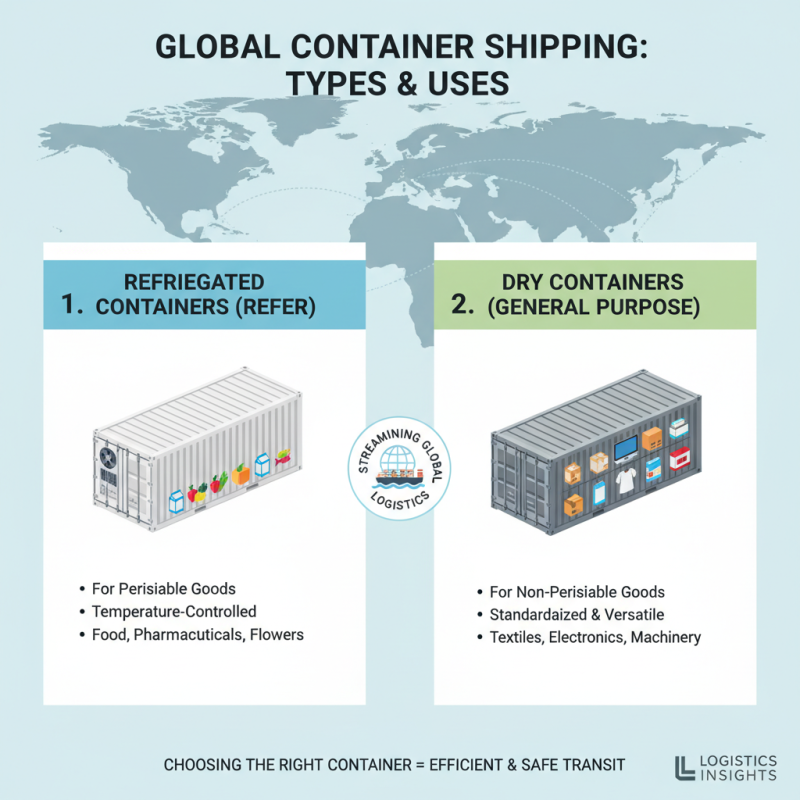
Container shipping processes are integral to modern logistics, as they streamline the movement of goods across global markets. One of the key components of this process is selecting the appropriate container type based on the nature of the cargo. For instance, refrigerated containers are essential for perishable goods like food, whereas dry containers are suitable for general merchandise. Understanding the specific requirements of the cargo greatly enhances efficiency and minimizes the risk of damage during transit.

Another critical aspect is the documentation involved in container shipping. Proper paperwork, including bills of lading and customs declarations, is necessary for smooth operations at ports. Inefficient documentation can lead to delays and increased shipping costs. Additionally, tracking container movement through real-time systems ensures better visibility, allowing shippers to monitor their cargo and make informed decisions throughout the shipping process. By focusing on these key components, businesses can optimize their shipping strategies, reduce operational disruptions, and ultimately improve their overall logistics solutions.

Selecting the Right Shipping Containers for Your Needs

Choosing the right shipping containers is crucial for optimizing your logistics operations. The selection process starts with understanding your specific needs, including the type of goods you’re shipping, their dimensions, and weight. For perishable items, a refrigerated container might be necessary to maintain optimal conditions, while hazardous materials require specialized containers that comply with safety regulations. Assessing the features of available containers can help ensure that your products are protected during transit and arrive in pristine condition.


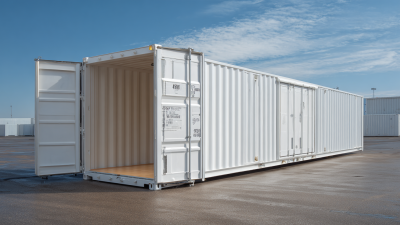
Moreover, considering the container's configuration is essential. Standard containers are versatile and great for general cargo, but for oversized items, flat-rack or open-top containers may be more appropriate. It’s also important to factor in the availability of containers in your region and how that influences shipping costs and timelines. By thoroughly evaluating your shipping requirements and the options available, you can make an informed decision that enhances the efficiency of your shipping and logistics process.

Optimizing Logistics with Efficient Container Management Strategies

Efficient container management is pivotal for optimizing logistics and shipping processes. By implementing strategic planning and operational adjustments, businesses can significantly enhance their supply chain efficiency. One key approach is to integrate technology in container tracking and inventory management. Utilizing real-time data analytics allows logistics managers to monitor container movements, reducing delays and minimizing the risk of lost shipments. This transparency not only fosters better decision-making but also increases accountability among stakeholders.


Moreover, establishing a robust maintenance routine for containers ensures their longevity and reliability. Regular inspections and prompt repairs can prevent costly downtime and unexpected disruptions in the supply chain. Additionally, optimizing the loading process by employing techniques such as just-in-time delivery can enhance space utilization and reduce freight costs. By refining these management strategies, companies position themselves to respond more rapidly to market demands while also maintaining a competitive edge in today's fast-paced shipping environment.

Navigating Customs Regulations in Container Shipping Operations

Navigating customs regulations is a critical aspect of container shipping operations, significantly impacting efficiency and cost management. In 2021, the World Bank reported that global trade logistics costs can account for as much as 15% of the total value of goods traded, underscoring the importance of compliance with customs requirements. The complexities of customs regulations, which vary widely by country, can lead to delays, increased warehousing costs, and potential penalties if not managed correctly. Therefore, it’s imperative for companies to stay informed about current customs laws and trade agreements that could affect their shipping processes.

Efficient customs navigation involves understanding not only the regulatory environment but also the necessary documentation, tariff classifications, and valuation methods. According to a study by the International Chamber of Commerce, companies that effectively manage their customs operations report a 30% reduction in clearance times and significant savings in logistics expenses. Leveraging technology and customs brokerage services can enhance compliance and streamline the process, allowing companies to gain a competitive edge in the fast-paced global market. By prioritizing compliance and utilizing the right resources, businesses can ensure smooth operations in the intricate landscape of container shipping.

Container Shipping Operations: Customs Clearance Times

This bar chart illustrates the average customs clearance times for different shipping routes. Understanding these times can aid logistics companies in planning their operations more efficiently.