
 عربي
عربي عربي
عربي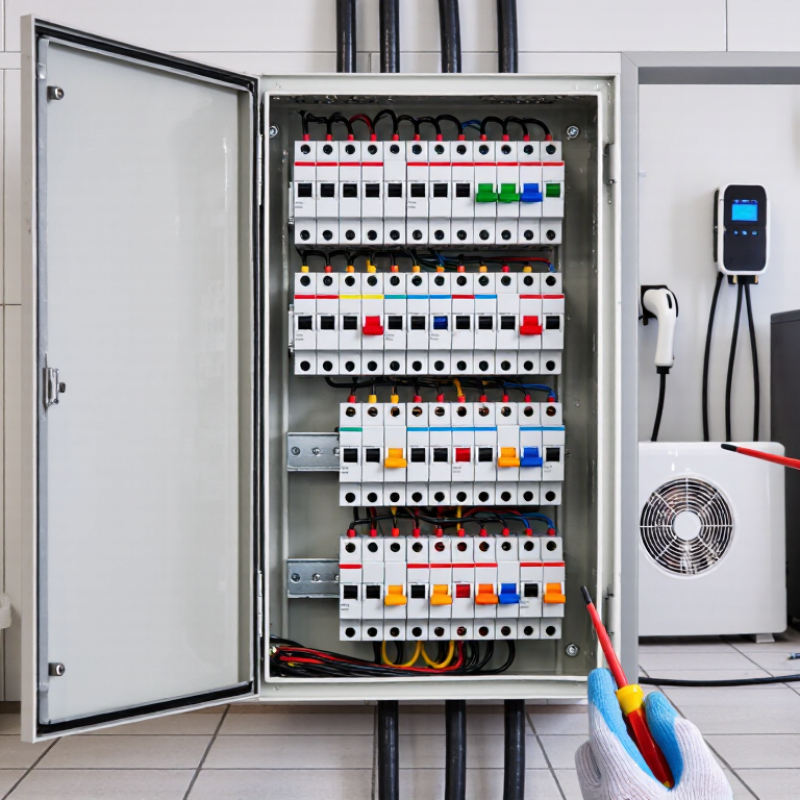
Before choosing an ELCB switch in 2026, assess the electrical system rather than focusing only on rated current. List every circuit, including lighting, sockets, water heaters, pumps, and outdoor equipment. Check the supply voltage, phase arrangement, earthing method, and expected load. Check the basics.
An ELCB should match the protection risk and the installation environment. A bathroom, workshop, or garden circuit may need greater attention because moisture and damaged insulation increase shock hazards. Determine whether protection against residual current, overload, short circuit, or all three is required. These functions may need separate devices.
Confirm the trip sensitivity, operating time, pole configuration, and coordination with upstream protection. Do not guess.
During site assessments, I have found that overloaded extensions and poor terminal connections create risks that a correctly selected ELCB cannot solve. Inspect the distribution board, cable condition, bonding, and enclosure rating. An electrician should measure insulation resistance, earth continuity, and leakage current before recommending a final device. Keep records.
Terminology can vary between regions, so verify what “ELCB” means in the local standard and product documentation. Select equipment tested to applicable safety requirements, and use an authorized professional for installation. Test the device at the interval recommended by its manufacturer. A neglected test button is not a safety plan. Also consider future loads, such as an electric vehicle charger or heat pump. My own assessment habit still has room for improvement: I sometimes focus too quickly on the switch and overlook how users actually operate the circuit. Safety depends on both.