
 عربي
 عربي
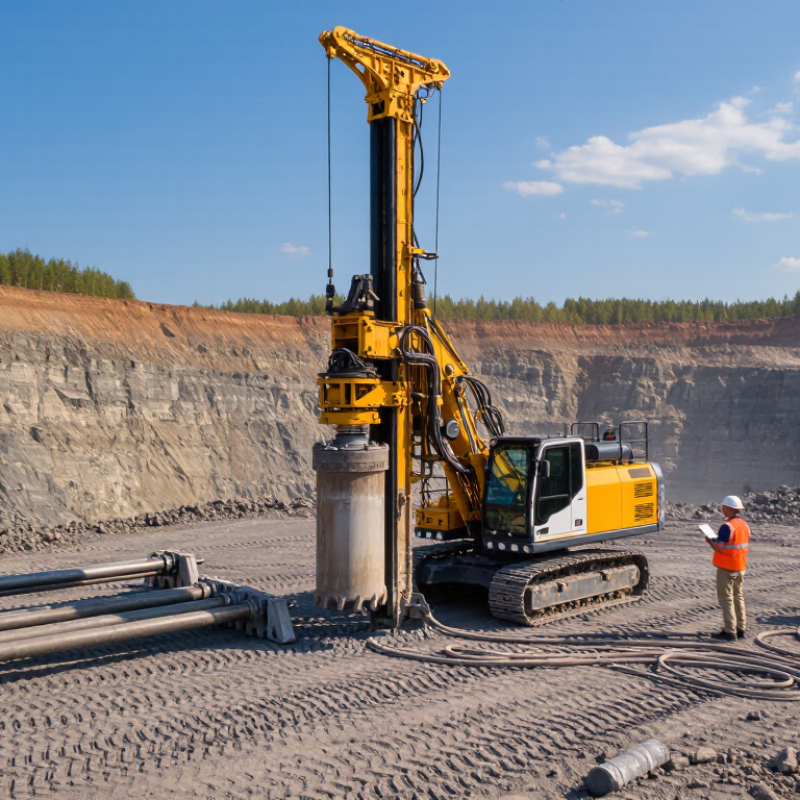
How to Choose a DTH Boring Machine?
Before buying, match the machine to the ground, hole size, and daily production target. The U.S. Geological Survey reported about 1.9 billion metric tons of crushed stone production in 2023. That scale shows why drilling speed matters, but speed alone can mislead. Assess rated drilling diameter, maximum depth, feed force, rotary torque, and compressor capacity together. A rig with strong torque may still underperform when air volume is insufficient. Check the compressor’s pressure and flow at the drill, not only its brochure rating. Field losses through hoses can be surprisingly serious.
Assess rated drilling diameter, maximum depth, feed force, rotary torque, and compressor capacity together.
Dust control deserves equal attention. The Occupational Safety and Health Administration limits respirable crystalline silica exposure to 50 micrograms per cubic meter over an eight-hour shift. Select wet drilling, enclosed cabs, or effective dust collectors where site conditions require them. Inspect filter access and cleaning time. Small maintenance details become expensive during a long shift. Also examine rod-changing systems, mast stability, ground clearance, noise levels, fuel use, and emergency controls. These features affect operators every hour.
Do not trust one test hole.
Request performance data from ground similar to yours. Ask for penetration rates, bit life, compressor fuel consumption, and downtime records. Independent inspection is wise. Some advertised figures may reflect ideal rock, new tooling, and perfect weather.
I would also calculate service access, spare-part availability, and operator training costs before comparing purchase prices. A cheaper machine can become costly when a blocked air line stops production.