


News & Blogs

How to Choose the Best Ventless Electric Fireplace?

Choosing the best Ventless Electric Fireplace requires more than comparing flame effects and price tags. Room size, heating output, electrical capacity, noise, controls, and installation clearance all matter. Grand View Research identifies steady growth in the global electric fireplace market, supported by urban housing, renovation demand, and cleaner-looking indoor heating. Fortune Business Insights reports similar expansion, although market forecasts vary by region and product definition. Forecasts are useful. They are not guarantees.

Safety remains central, even without a chimney or combustion. The NFPA’s Home Fires Involving Heating Equipment report recorded approximately 44,210 home heating fires annually in the United States from 2016 to 2020. That figure covers many heating products, not electric fireplaces alone. Still, it shows why certification labels, thermal shutoff protection, and correct clearance should receive serious attention. Marty Ahrens, a former NFPA senior research analyst, has stated, “Heating equipment is the second leading cause of home fire deaths.” Her warning belongs in every buying guide.

A practical review should examine a fireplace operating in a real room. Feel the airflow near a sofa. Check whether the controls respond clearly. Listen after thirty minutes. A beautiful display means little if the fan becomes distracting. Energy use also deserves honest discussion, because electricity emissions depend on the local grid. I might prefer a model with stronger heat, yet a smaller unit could suit a well-insulated bedroom better. The best choice is therefore not the most powerful product. It is the safest, quietest, and most suitable Ventless Electric Fireplace for the space, household, and daily routine.
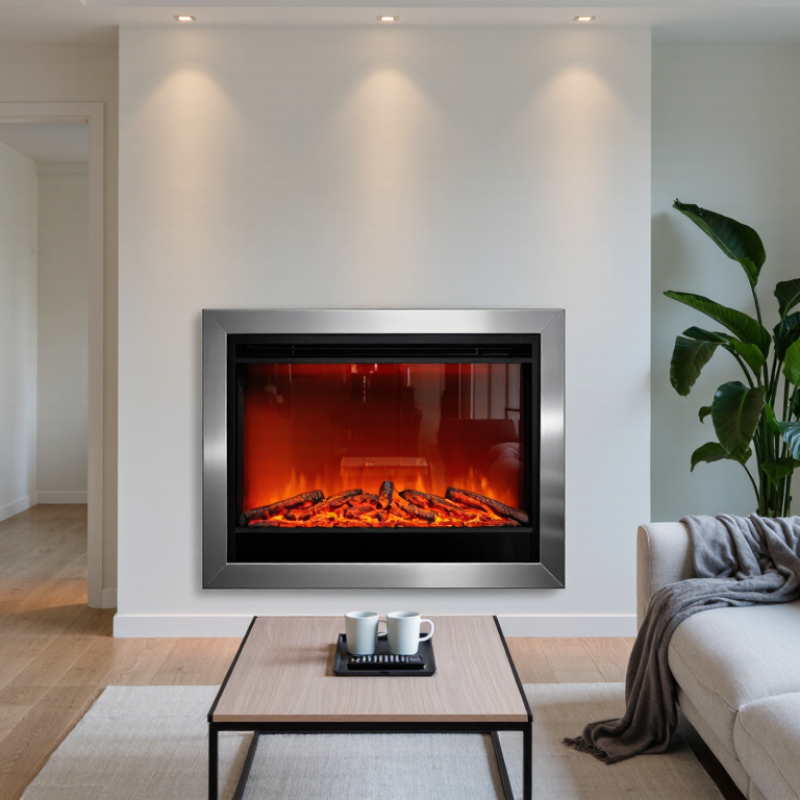
How to Choose the Best Ventless Electric Fireplace?

Understanding How Ventless Electric Fireplaces Work

How to Choose the Best Ventless Electric Fireplace?

Understanding How Ventless Electric Fireplaces Work

A ventless electric fireplace creates heat without burning wood, gas, or other fuel. It needs no chimney, flue, or exhaust pipe. Instead, electricity powers a heating element and a flame-effect display. The flames may use LEDs, reflective panels, or projected light. They look convincing from across the room, though close inspection can reveal their artificial movement.

The heating element usually works like a compact room heater. A fan pushes warm air through the front or top vents. Because there is no combustion, the unit does not produce smoke or carbon monoxide. Still, it can become hot during operation. Keep curtains, furniture, and loose fabrics away from the outlet. Check the electrical rating, plug condition, and required clearances before installation. I once underestimated how quickly a small room warmed up. A lower heat setting would have been more comfortable.

Tips: Measure the wall and viewing distance first. Confirm that the circuit can support the heater. Look for adjustable temperature controls and automatic overheat protection. Test the flame effect separately from the heat function. This matters during mild weather. Read the installation guide carefully, even for a simple plug-in model. “Ventless” does not mean “place anywhere.” Local electrical requirements and room conditions still matter. Choose a unit that fits your daily habits, not only its brightest display.

How to Choose the Best Ventless Electric Fireplace?

Understanding how ventless electric fireplaces work starts with their electrical input and heat output. The chart below uses standard resistance-heating conversion: 1 kW of electrical power produces approximately 3,412 BTU of heat per hour.

A 1,500-watt setting produces about 5,118 BTU per hour and uses 1.5 kWh for every hour of operation. Because ventless electric fireplaces do not burn fuel, they require no chimney or gas vent. Actual room-heating performance depends on room size, insulation, outdoor temperature, and thermostat cycling.

Assessing Room Size, Heating Needs, and Energy Efficiency

How to Choose the Best Ventless Electric Fireplace?

Room size should guide the heating estimate, but it should not decide everything. A 12-by-15-foot bedroom with sealed windows needs less heat than a drafty living room of equal size. Electric resistance heating converts nearly 100% of consumed electricity into heat at the room appliance, according to the U.S. Department of Energy. A 1,500-watt unit produces about 5,118 Btu per hour. Still, that figure can mislead. Ceiling height, insulation, outdoor temperature, and open doorways change actual comfort.

Heating demand also affects running costs. The U.S. Energy Information Administration reported that space heating represented about 42% of household energy use in its 2020 Residential Energy Consumption Survey. That makes thermostat control important. Choose adjustable heat levels, a timer, and a thermostat that can maintain a steady setting. Heating one occupied room may use less energy than raising the temperature across an entire home, but only if unused rooms remain closed.

Efficiency includes installation and daily behavior. Check the fireplace’s wattage against the circuit, especially in older homes. A 1,500-watt appliance draws roughly 12.5 amps on a 120-volt supply. I would avoid sharing that circuit with a kettle or portable heater. The U.S. Department of Energy recommends reducing drafts and improving insulation before increasing heating capacity. My own estimate would still be imperfect without a professional heat-loss calculation. Bigger is not always better. It may create hot air near the unit while the far corner stays cold.

Comparing Fireplace Styles, Features, and Control Options

Choosing a ventless electric fireplace begins with the room, not the flame effect. A wall-mounted style suits compact apartments and keeps floor space open. Built-in models create a cleaner appearance but may require professional framing and electrical planning. Freestanding units work well in rental homes. However, their visible cords can weaken an otherwise polished design.

Features should match how you use the fireplace. Adjustable flame brightness helps during daytime, when intense lighting may look artificial. A thermostat supports steadier room comfort than a simple on-and-off heater. Check the heating area carefully. A small unit may struggle in a large, drafty room. Glass can become warm. Keep furniture, curtains, and children’s toys away from the recommended clearance zone. Verify overheating protection, timer settings, and electrical requirements in the installation manual. Independent safety certification adds useful confidence, but it does not replace correct installation.

Control options also change daily convenience. A remote control is practical from a sofa, while a touch panel helps when the remote disappears. Some models offer app or voice control, yet connectivity can fail during network problems. Keep a manual control available. I also recommend testing noise levels in person, because fan sounds are easy to overlook in product photographs. One more honest point: realistic logs and ember lighting often improve atmosphere, but no electric flame perfectly copies burning wood. Measure the wall, outlet location, and viewing angle before choosing a style. A beautiful unit can still feel wrong if the controls sit awkwardly or the heat reaches only one corner.

Checking Safety Standards, Installation Needs, and Maintenance

How to Choose the Best Ventless Electric Fireplace?

A ventless electric fireplace still needs careful safety checks. Electric heat can burn nearby materials or overload an unsuitable circuit. Look for certification from a recognized testing laboratory, and verify the certification label on the unit. Read the electrical rating, required clearance, and approved mounting position. Local electrical rules may also require a qualified electrician. I would not rely on a product photo alone. Labels matter more.

Installation needs vary between wall-mounted, recessed, and freestanding models. Measure the wall, locate solid studs, and keep curtains, furniture, and paper decorations away from the heater. Use the recommended outlet without an extension cord or overloaded power strip. A dedicated circuit may be necessary, especially in older homes. Check the manual before drilling. Guessing here is a poor shortcut.

Maintenance is simple, but neglect remains common. Unplug the fireplace and let it cool before cleaning. Remove dust from air openings with a soft brush or vacuum attachment. Never block the intake with rugs or storage boxes. Inspect the cord, plug, screen, and controls for heat marks or damage. Stop using the unit if it smells burnt, trips breakers, or makes unusual sounds. I sometimes forget how quickly dust collects near floor-level heaters, so a monthly reminder helps. Keep the surrounding area clear.

Evaluating Costs, Performance, and Long-Term Value

Choosing a ventless electric fireplace starts with total cost, not flame appearance. It avoids chimney construction, gas lines, and combustion-related servicing. Yet the purchase price is only the entry point. Check delivery, electrical work, wall preparation, and future repairs. Measure the room first. An oversized unit may consume more electricity without improving comfort. Compare wattage with your local kilowatt-hour rate. A simple estimate uses watts divided by 1,000, multiplied by usage hours and electricity price. Real costs vary with thermostat settings and insulation. Keep that uncertainty visible.

Performance depends on more than heat output. Most models provide supplemental heat, not whole-home heating. Look for adjustable thermostats, quiet fans, practical controls, and even warmth. Verify that the circuit can support the load, especially in older homes. A qualified electrician should assess it. Follow all clearance and installation instructions. Safety certification from a recognized testing body adds confidence, but it cannot replace careful installation. If possible, watch the unit run for 30 minutes. Fan noise or a bright display may become irritating later.

Tips: Prioritize repair access, replaceable components, warranty terms, and clear instructions. Clean the intake and glass as recommended. Keep vents unobstructed. “Maintenance-free” does not mean attention-free. I would compare heat output with the room’s actual drafts, not its advertised size. Long-term value includes comfort, operating cost, appearance, and flexibility. A cheaper unit can become expensive when its controls fail early. That possibility deserves honest consideration.

How to Choose the Best Ventless Electric Fireplace? - Evaluating Costs, Performance, and Long-Term Value
Evaluation Factor Compact Insert Wall-Mounted Unit Freestanding Unit Built-In Unit
Typical Purchase Price $250–$700 $300–$900 $400–$1,200 $800–$2,500
Typical Installation Cost $150–$600 when fitting an existing opening $50–$250 for secure wall mounting $0–$150 because most units are ready to place $800–$3,000 for framing, electrical work, and finishing
Power Requirement Standard 120 V household outlet Standard 120 V household outlet Standard 120 V household outlet Usually 120 V; dedicated circuit may be recommended
Maximum Electrical Load 1,500 W typical 1,500 W typical 1,500 W typical 1,500 W typical for standard configurations
Maximum Heat Output Approximately 5,100 BTU/h Approximately 5,100 BTU/h Approximately 5,100 BTU/h Approximately 5,100 BTU/h
Practical Supplemental Heating Area Approximately 250–500 sq. ft. Approximately 250–500 sq. ft. Approximately 300–600 sq. ft. Approximately 300–600 sq. ft.
Approximate Electricity Cost at Full Heat $0.24 per hour at $0.16/kWh $0.24 per hour at $0.16/kWh $0.24 per hour at $0.16/kWh $0.24 per hour at $0.16/kWh
Estimated Monthly Cost at 4 Hours/Day About $29 per month About $29 per month About $29 per month About $29 per month
Flame-Only Energy Use Usually less than 0.1 kWh per hour Usually less than 0.1 kWh per hour Usually less than 0.1 kWh per hour Usually less than 0.1 kWh per hour
Installation Difficulty Moderate; accurate opening measurements are important Low to moderate; wall support and clearance are required Low; minimal construction work High; planning and finishing work are normally required
Space Efficiency High when replacing an existing fireplace Very high; uses little floor space Moderate; requires clear floor area High after construction is completed
Heat Distribution Good near the fireplace opening Good when mounted at an appropriate height Good room-level circulation through the front or top vent Good room-level circulation when the air outlet is unobstructed
Thermostat and Timer Value Useful for maintaining a stable room temperature Useful for scheduled heating and daily convenience Useful for flexible placement and supplemental heating Highly useful for integrated, regular-use heating
Maintenance Requirements Dusting, glass cleaning, and occasional air-intake cleaning Dusting, glass cleaning, and checking wall mounting hardware Dusting, glass cleaning, and keeping air inlets clear Dusting, glass cleaning, and access-panel inspection
Expected Service Life Approximately 8–15 years with normal use Approximately 8–15 years with normal use Approximately 8–15 years with normal use Approximately 8–15 years with normal use
Best Long-Term Value Best for updating an existing fireplace at a moderate cost Best for apartments, bedrooms, and modern wall designs Best for low installation cost and relocation flexibility Best for permanent renovations and architectural integration
Main Limitation Requires a suitably sized existing opening May look less integrated than a recessed installation Occupies floor space and may be easier to move or tip Highest total cost and most complicated installation
Cost and performance assumptions: Electricity estimates use a rate of $0.16 per kWh. A 1,500-watt heater consumes 1.5 kWh per hour and produces approximately 5,100 BTU/h when operating at full output. Actual heating coverage, energy cost, installation cost, and service life vary with local rates, insulation, room layout, operating hours, and installation quality. Electric fireplaces produce no combustion emissions and therefore do not require a flue or chimney, but they still require adequate electrical clearance and ventilation around the heater outlet.