
 عربي
عربي عربي
عربي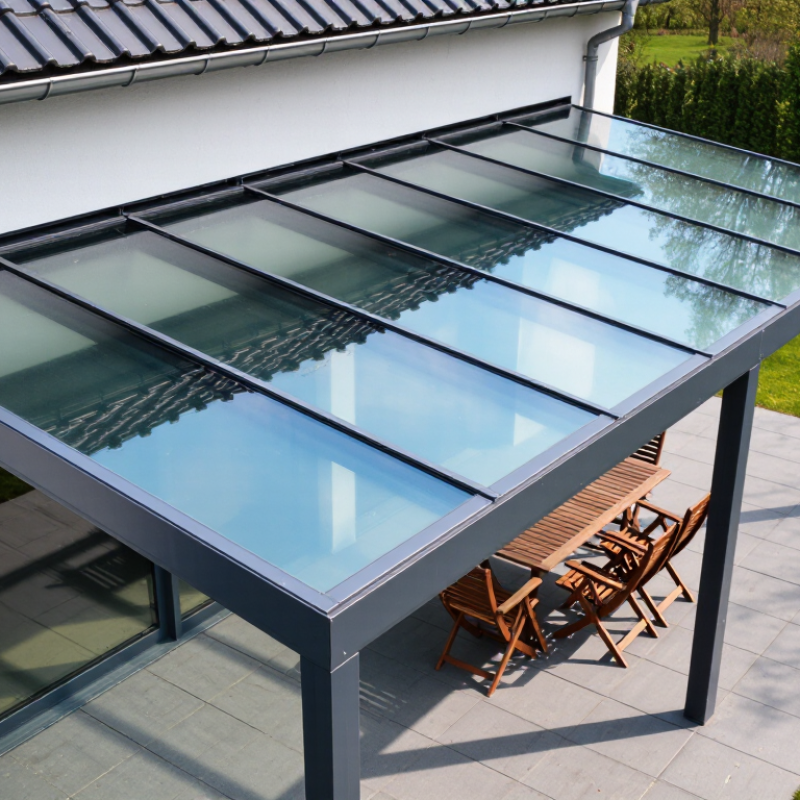
How to Choose the Best Glass Roof Patio Covers?
How to Evaluate Glass Types, Safety, and Weather Protection
Choosing a glass roof begins with understanding how each glass type behaves outdoors. Clear glass provides strong daylight, but it can create intense heat beneath the patio. Laminated glass holds together after impact, while tempered glass breaks into smaller, less dangerous pieces. For many patios, combining both safety features offers better protection. Ask for written information about thickness, impact performance, and heat control. Do not rely on appearance alone.
Low-emissivity coatings can reduce solar heat and help stabilize indoor temperatures. However, performance depends on roof direction, shading, and local climate. A west-facing roof may still feel hot during summer afternoons. Visible samples help. Small details matter.
Safety also depends on the supporting structure, not only the glass. Confirm that the frame can handle wind, rain, and expected maintenance loads. Check drainage channels, flashing, fasteners, and rubber seals carefully. Poorly fitted seals may allow water to enter during heavy storms. The roof should also include suitable pitch for runoff and resist corrosion in humid or coastal areas. Local building requirements should guide glass thickness and installation methods.
I once focused too much on light transmission and underestimated glare. That was a useful mistake. Now I also consider furniture fading, cleaning access, and the sound of rain. Inspect the cover after installation, especially around joints. A beautiful roof is not enough if small leaks appear after the first severe weather.