
 عربي
عربي عربي
عربي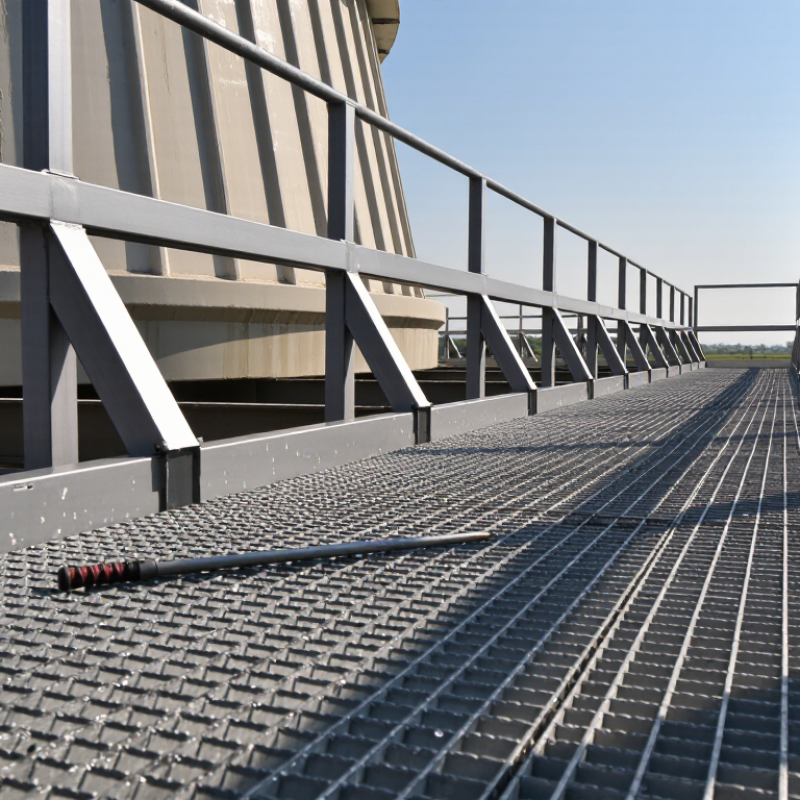
How to Choose the Best Galvanized Grating for Your Project
Load Capacity, Span, and Safety Requirements
Choosing galvanized grating starts with the loads it must carry. Consider workers, stored materials, carts, maintenance tools, and occasional impact. A walkway may need less capacity than a platform supporting equipment. Do not estimate from appearance. Check the manufacturer’s load tables and confirm whether loads are distributed or concentrated.
Span changes everything. Longer spans increase deflection, even when the grating does not immediately fail. Measure the clear distance between supports, not the overall frame size. Select bearing bars with suitable depth and spacing for that distance. I have seen projects use strong grating with weak support angles. The grating was not the real problem.
Safety requirements need equal attention. Follow applicable building codes, workplace rules, and project specifications. Check opening sizes, slip resistance, edge protection, and secure fixing methods. Wet areas may require serrated surfaces, while drainage areas need openings that remain safe for footwear. Galvanizing helps resist corrosion, but damaged cut edges still need proper treatment. Inspect connections after installation. Small movement matters. When calculations seem uncertain, ask a qualified engineer to verify capacity, deflection, and support conditions before ordering. Bear in mind, field conditions rarely match drawings perfectly.