
News & Blogs

How to Choose the Right Sea Container for Your Shipping Needs

The global shipping industry plays a crucial role in facilitating international trade, with an estimated 80% of global merchandise trade being carried by sea. A key component of this industry is the sea container, which has revolutionized how goods are transported, allowing for efficient loading, unloading, and transshipment across various transport modes. According to a report by the United Nations Conference on Trade and Development (UNCTAD), over 200 million twenty-foot equivalent units (TEUs) are in operation worldwide, highlighting the significant reliance on sea containers for cargo movements.

Choosing the right sea container for your shipping needs is essential, as it can impact both the efficiency of your supply chain and the overall costs associated with transportation. With various sizes, types, and specifications available, selecting an appropriate container requires careful consideration of factors such as cargo dimensions, weight constraints, and environmental conditions during transit. As the demand for shipping services continues to grow, understanding the intricacies of sea container options becomes increasingly important for businesses aiming to optimize their logistics and maintain competitive advantages in the global marketplace.
How to Choose the Right Sea Container for Your Shipping Needs

Understanding Different Types of Sea Containers for Shipping

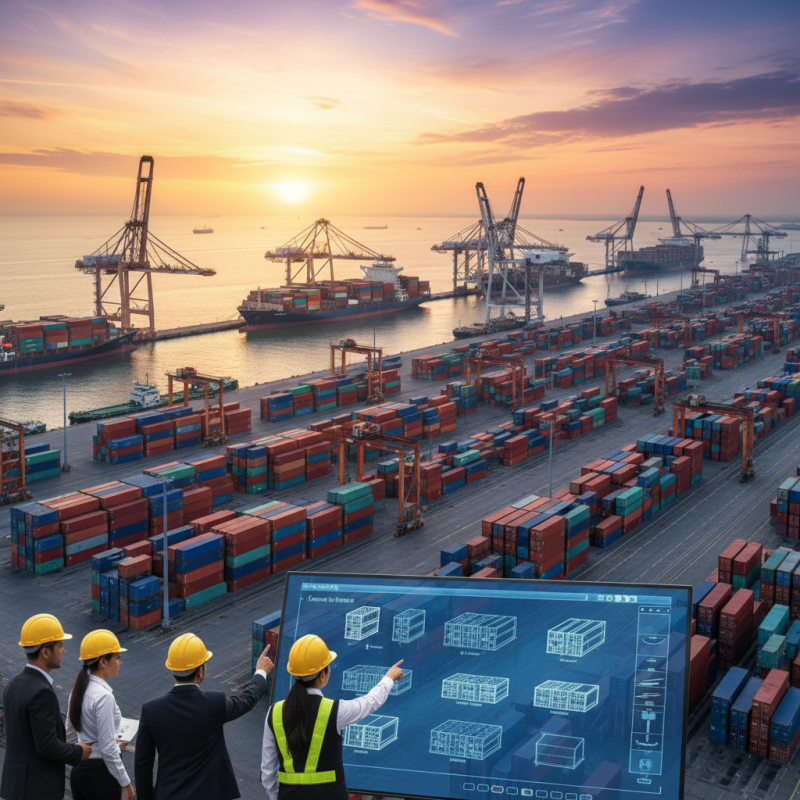
When it comes to shipping, choosing the right sea container is crucial to meet your specific needs. Sea containers come in various types, each designed for different cargo types and shipping requirements. The most common types are standard dry containers, refrigerated containers, and open-top containers. Standard dry containers are versatile and suitable for a wide range of dry cargo, while refrigerated containers, or reefers, are specifically designed to transport perishable goods that require temperature control. Open-top containers are ideal for oversized cargo that cannot fit inside standard containers, allowing for easy loading and unloading from the top.

Tips: When selecting a sea container, consider the nature of your cargo. For example, if you are shipping sensitive items like electronics or food, a reefer might be necessary. Additionally, ensure you are aware of the dimensions and weight limits of each container type to avoid any issues during transit.

Furthermore, it’s important to assess the environmental conditions your cargo may encounter during shipping. If you anticipate exposure to moisture, a container with proper ventilation or a high cube container may be more effective. Properly assessing your shipping needs can lead to cost savings and ensure the safe transport of your goods.
Evaluating Container Sizes Based on Your Cargo Requirements

When selecting a sea container for shipping, the first step is to evaluate the size needs based on your cargo requirements. Sea containers come in various dimensions, typically measured in twenty-foot and forty-foot lengths. Understanding the volume and weight of your cargo is crucial, as it helps determine whether a standard container suffices or if you need a high cube or specialized container designed for oversized items. For instance, if you're transporting machinery or large equipment, a high cube container with additional height may be more suitable.

In addition to size, consider the nature of the cargo you are shipping. Fragile items may require containers with enhanced protection or temperature control features. Analyzing the specific dimensions of your products can provide insights into how much space they will occupy and how many containers might be necessary to accommodate them efficiently. This evaluation not only affects your shipping costs but also ensures that your cargo arrives at its destination in optimal condition. Properly assessing both the size and characteristics of your cargo will ultimately guide you in making the best choice for your shipping container needs.

How to Choose the Right Sea Container for Your Shipping Needs

Container Type Dimensions (L x W x H) Volume (CBM) Max Weight (KG) Common Uses
20 ft Container 6.06m x 2.44m x 2.59m 33.2 24,000 General Cargo, Heavy Machinery
40 ft Container 12.19m x 2.44m x 2.59m 67.7 30,480 Food, Electronics, Building Materials
40 ft High Cube Container 12.19m x 2.44m x 2.89m 76.4 30,480 Larger Equipment, Furniture
Reefer Container 20 ft: 6.06m x 2.44m x 2.59m 28.4 22,000 Perishables, Pharmaceuticals
Open Top Container 20 ft: 6.06m x 2.44m x 2.39m 33.2 24,000 Heavy Lifts, Construction Materials

Assessing Container Condition: New vs. Used Options

When selecting a sea container for shipping purposes, it's essential to assess the condition of the container—whether new or used. New containers are often characterized by their excellent structural integrity, pristine appearance, and standardized manufacturing that aligns with the latest shipping regulations. They are typically more expensive, but their durability and reliability can justify the investment for long-term shipping needs, especially for businesses that prioritize aesthetics and functionality in their logistics.

In contrast, used containers can offer significant cost savings and represent a sustainable choice if they are in good condition. It is vital to perform a thorough inspection to ensure the container is free from any structural damage, rust, or leaks. Additionally, understanding the previous use of the container, such as whether it transported hazardous materials, can impact its suitability for your shipping needs. Ideally, a meticulous review of the container’s history will help you decide whether a used option can meet your shipping requirements without compromising safety or compliance.

Determining the Best Container for Specific Cargo Types

How to Choose the Right Sea Container for Your Shipping Needs

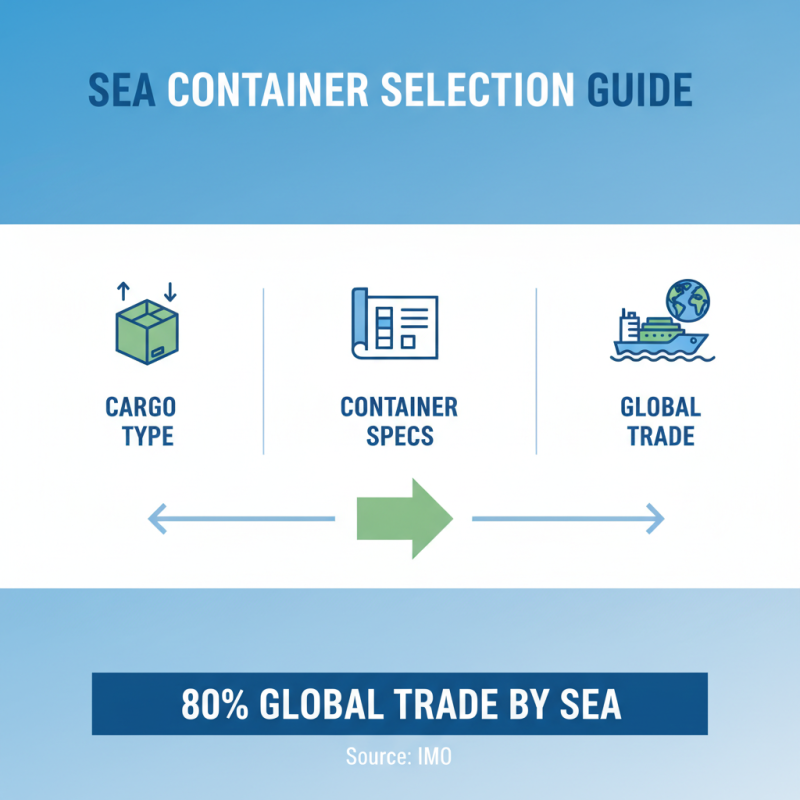
When selecting the right sea container for shipping, understanding the specific requirements of your cargo type is crucial. Different cargo types necessitate various container specifications to ensure safe and efficient transportation. According to the International Maritime Organization (IMO), approximately 80% of global trade by volume is transported by sea, emphasizing the importance of choosing the right container to protect goods during transit.

For instance, general cargo typically fits well in standard dry containers, which come in sizes of 20 and 40 feet. However, certain items such as perishables require refrigerated containers (reefers) to maintain specific temperature and humidity levels. The World Shipping Council reports that the global reefer container fleet has been growing steadily, aligning with the increasing demand for transporting fresh produce and pharmaceuticals safely. Furthermore, hazardous materials necessitate special containers equipped with safety features to prevent leakage or contamination, aligning with the regulations set forth by the International Maritime Dangerous Goods Code (IMDG).

It is also essential to consider the weight and volume capacity of containers. According to the Container Owners Association, the maximum gross weight of a standard shipping container can be between 30,000 to 32,500 kg, depending on its type and design. Ensuring that your cargo does not exceed these limits will not only comply with safety standards but also optimize shipping costs. In conclusion, a careful analysis of cargo specifications and container capabilities is vital for effective shipping logistics.

Considering Logistics and Shipping Costs in Container Selection

When selecting the right sea container for your shipping needs, one of the most critical aspects to consider is logistics and shipping costs. The dimensions and type of container you choose can significantly impact both the efficiency of your logistics operations and the overall expenses associated with shipping. By analyzing the volume and weight of the goods you intend to ship, you can determine the size of the container that will optimize loading and minimize wasted space. This not only affects the immediate costs but also influences the choice of transportation, whether by sea, road, or rail.

Moreover, understanding the different types of containers available is essential in making an informed decision. For instance, standard containers might suffice for general cargo, while specialized containers may be needed for fragile or temperature-sensitive items. Evaluating the logistics network and transportation routes also plays a vital role, as certain configurations may be more compatible with your chosen shipping methods. Careful assessment of these factors leads to balancing cost-effectiveness with operational efficiency, ensuring that your shipping processes remain smooth and financially viable.