
China remains a major sourcing base for global containerized trade, serving buyers from manufacturing hubs in Ningbo, Shenzhen, Qingdao, and beyond. Choosing the right container size can influence freight cost, loading efficiency, cargo protection, and delivery reliability. This guide introduces ten widely used container types for international buyers, including standard dry containers, high-cube units, reefers, open-top containers, and flat racks.
Size affects more than volume. A 20-foot general-purpose container may suit dense machinery, while a 40-foot high-cube unit offers extra height for cartons, furniture, or lightweight equipment. One TEU represents a 20-foot equivalent unit. However, the available payload depends on the container’s tare weight, local road limits, carrier rules, and shipping route. That assumption can fail.
Experienced exporters usually compare internal dimensions, door openings, cubic capacity, maximum gross weight, and loading methods before booking. For temperature-sensitive goods, buyers should review reefer temperature ranges and power requirements. Oversized cargo may need an open-top or flat-rack solution, but these options often require special handling and higher charges. Tank containers also demand careful compatibility checks and certified operating procedures.
The “top ten” list should not be treated as a universal ranking. A container size that works well for ceramic tiles may waste space for garments. Supplier packaging, pallet dimensions, port equipment, and destination regulations can change the best choice. Small details matter. Before shipment, request current specifications from the manufacturer and carrier, then confirm measurements against the cargo plan. This practical step reduces costly surprises and supports safer, more dependable global procurement.
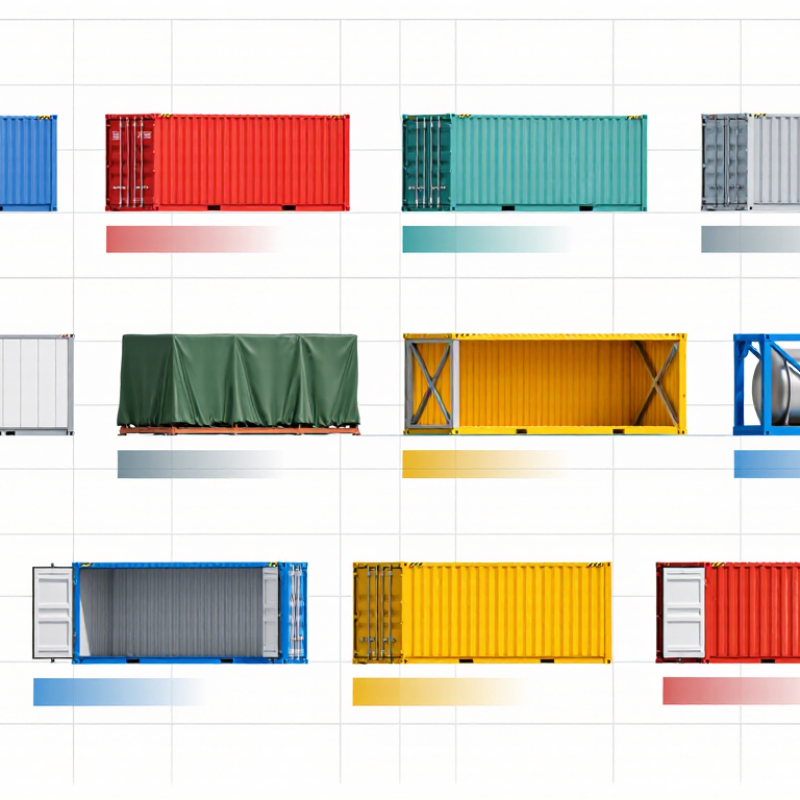
China’s export market mainly follows ISO 668:2020 container dimensions. The most common types are 20GP, 40GP, 40HC, 45HC, 20RF, 40RF, 20OT, 40OT, 20FR, and 40FR.
A 20GP usually offers about 33 cubic meters. A 40GP provides about 67 cubic meters. The 40HC adds roughly 30 centimeters of height, reaching about 76 cubic meters. These are nominal figures, not loading promises. Door openings, corner posts, and cargo shape reduce usable space.
UNCTAD’s Review of Maritime Transport 2024 recorded global maritime trade at approximately 12.3 billion tonnes in 2023. It also reported 2.4% annual growth. Such volume explains why Chinese suppliers often quote 20-foot-equivalent units, or TEUs.
Refrigerated containers suit temperature-sensitive cargo.
Open-top units handle tall machinery.
Flat racks support oversized industrial equipment.
However, availability can vary sharply between inland depots, coastal terminals, and peak export months.
The standard looks simple. It is not always simple in practice.
A “40-foot container” may mean 40GP, 40HC, or a specialized unit. Internal dimensions also differ slightly by manufacturer and production year. Buyers should request the container’s external size, internal clearance, door opening, maximum payload, and tare weight.
CSC safety certification matters as well. One overlooked detail can change a loading plan.
ISO compliance supports comparison, but it does not replace a physical packing review.
China Top 10 Container Size Types for Global Buyers
The ten main choices start with standard dry containers. A 20-foot container measures about 6.06 × 2.44 × 2.59 meters externally. A 40-foot unit keeps the same width and height, but reaches 12.19 meters long. A 40-foot high-cube container rises to approximately 2.90 meters. The 45-foot high-cube version extends to about 13.72 meters. Refrigerated containers commonly include 20-foot and 40-foot high-cube models. Their usable internal space is smaller because of insulation and cooling equipment. Open-top containers are available in 20-foot and 40-foot sizes, while flat racks usually follow the same lengths. Tank containers generally use a 20-foot frame, with dimensions close to 6.06 × 2.44 × 2.59 meters. Dimensions vary slightly by ISO specification and manufacturer.
ISO 668:2020 provides the main dimensional framework for Series 1 freight containers. UNCTAD’s Review of Maritime Transport 2024 reported approximately 858 million TEUs in global container port throughput during 2023. That scale makes accurate size selection commercially important. A 40-foot container offers twice the nominal length of a 20-foot unit, but it may not suit dense cargo. Weight limits, door openings, floor strength, and cubic efficiency still require checking. The numbers look simple. Real loading is not.
Tips: Confirm internal dimensions, door clearance, tare weight, and maximum payload before booking. Ask for a current equipment sheet. Refrigerated and open-top specifications can differ more than expected. My practical view is cautious: a container that fits by volume may fail by weight distribution or loading access.
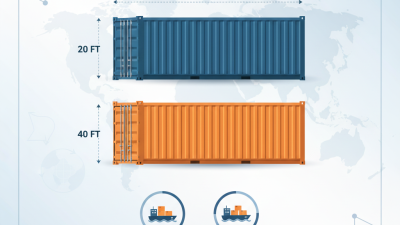
This chart compares the nominal external length, width, and height of ten widely used container types. Dimensions are based on standard ISO container sizes and are shown in metres; actual dimensions may vary slightly by container design and equipment configuration.
Choosing a container starts with the cargo, not the freight quote. A 20-foot dry container suits dense goods such as metal parts, tiles, and machinery. A 40-foot dry container offers more floor space for cartons, furniture, and packaged products. The 40-foot high cube adds extra internal height for tall cartons or bulky light cargo. It helps, but it does not increase the maximum permitted weight.
Temperature-sensitive cargo needs a reefer container. Fresh produce, dairy products, and certain pharmaceuticals require stable temperature control and careful pre-cooling. An insulated container may work for less demanding conditions, but it cannot replace active refrigeration.
Open-top containers suit oversized machinery loaded by crane. Flat racks support heavy or wide equipment when standard walls would restrict loading. Platform containers provide an open base for exceptional dimensions.
Side-door containers improve access for long items or frequent unloading. Tank containers are designed for approved liquid cargo and require strict technical checks. A 45-foot high cube can carry more volume, but port and route acceptance must be confirmed.
Real loading work is rarely perfect. Cargo measurements may change after packing, and pallets may leave unusable gaps. I recommend checking door height, floor loading, axle limits, and gross weight together. Cubic capacity alone is misleading.
A small measurement error can force repacking, so buyers should request a detailed packing plan before booking.
China Top 10 Container Size Types for Global Buyers
Container capacity and payload should be assessed together, not separately. A 20-foot general-purpose container usually holds about 33 cubic meters, while a 40-foot unit offers nearly 67 cubic meters. The 40-foot high-cube adds height and reaches roughly 76 cubic meters. A 45-foot high-cube provides more space, but port acceptance and route availability can be limited. These are the first four common options: 20GP, 40GP, 40HC, and 45HC. Payload often ranges from 25 to 30 metric tons, depending on construction, road rules, and carrier limits.
Refrigerated cargo may require a 20-foot reefer or 40-foot high-cube reefer. Their internal equipment reduces usable volume and increases energy costs. Open-top containers, available in 20-foot and 40-foot sizes, suit tall machinery and loading by crane. Flat racks, also in 20-foot and 40-foot formats, handle oversized industrial cargo, although they demand careful lashing and route approval. A tank container completes this practical top ten, offering controlled transport for permitted liquid products under applicable regulations.
More space can reduce freight cost per cubic meter, but only when the cargo fills the container efficiently. Heavy goods may reach the weight limit before using half the available volume. Light cartons can waste space through poor stacking. I would recheck carton dimensions, pallet height, door clearance, and axle restrictions before booking. Real shipping plans are rarely perfect. A container that looks economical on paper may create handling delays, unstable loading, or unused capacity at the terminal.
Choosing a container size starts with cargo volume, not price. A 20-foot container usually offers about 33 cubic metres, while a 40-foot container provides around 67 cubic metres. A 40-foot high-cube version adds roughly 10% more internal height. Exact capacity varies by equipment and route.
UNCTAD’s Review of Maritime Transport 2024 recorded about 858 million TEUs in global container port throughput during 2023. This scale shows why small planning errors become expensive. Measure cartons after palletizing, including corner protection and aisle space. Check gross weight against the container’s rated payload. Heavy machinery may fill only half a container but still reach the weight limit. Lightweight furniture often needs more height than floor area.
Tips: Request the carrier’s internal dimensions, door opening, payload, and tare weight. Use a loading plan with carton dimensions. Leave practical clearance around doors. A spreadsheet can still mislead. Measure one packed unit physically before booking. Choose a 20-foot container for dense, heavy cargo, and consider a 40-foot high-cube container for bulky, stackable goods. The best choice is not always the largest box. Recheck seasonal packaging changes, because one extra centimetre can disrupt the loading pattern.
| Rank | Container Type | Typical External Dimensions (L × W × H) |
Typical Internal Dimensions (L × W × H) |
Approx. Internal Volume | Typical Payload | Door Opening (W × H) |
Best-Suited Cargo and Buyer Considerations |
|---|---|---|---|---|---|---|---|
| 1 | 20GP 20-foot General Purpose |
6,058 × 2,438 × 2,591 mm | 5,898 × 2,350 × 2,390 mm | About 33.2 m³ | About 28,000 kg | 2,340 × 2,280 mm | General cargo, machinery, packaged goods, and dense products. A practical choice when cargo weight reaches the limit before available volume. |
| 2 | 40GP 40-foot General Purpose |
12,192 × 2,438 × 2,591 mm | 12,032 × 2,350 × 2,390 mm | About 67.7 m³ | About 26,700 kg | 2,340 × 2,280 mm | Suitable for large-volume, relatively light general cargo. It offers roughly twice the floor length of a 20GP but may have a lower maximum payload. |
| 3 | 40HC 40-foot High Cube |
12,192 × 2,438 × 2,896 mm | 12,032 × 2,350 × 2,695 mm | About 76.4 m³ | About 26,500–26,700 kg | 2,340 × 2,585 mm | The common choice for bulky, lightweight cargo. The extra 305 mm of height increases usable volume compared with a standard 40GP. |
| 4 | 45HC 45-foot High Cube |
13,716 × 2,500 × 2,896 mm | 13,556 × 2,444 × 2,695 mm | About 89.2 m³ | About 27,600 kg | About 2,440 × 2,585 mm | Designed for high-volume, lightweight shipments. Confirm route acceptance, chassis availability, and port handling before booking because it is less universally accepted than 40-foot equipment. |
| 5 | 20RF 20-foot Refrigerated |
6,058 × 2,438 × 2,591 mm | About 5,450 × 2,290 × 2,260 mm | About 28.2 m³ | About 27,500 kg | About 2,290 × 2,260 mm | Temperature-controlled cargo such as frozen food, fresh produce, pharmaceuticals, and chemicals. The refrigeration unit reduces internal length and volume. |
| 6 | 40RH 40-foot High Cube Refrigerated |
12,192 × 2,438 × 2,896 mm | About 11,580 × 2,290 × 2,540 mm | About 67.5 m³ | About 29,000 kg | About 2,290 × 2,585 mm | For large temperature-sensitive shipments. Buyers should specify the required temperature range, ventilation settings, power requirements, and cargo loading pattern. |
| 7 | 20OT 20-foot Open Top |
6,058 × 2,438 × 2,591 mm | About 5,900 × 2,350 × 2,350 mm | About 32.6 m³ | About 28,000 kg | Rear doors plus removable roof opening | Heavy or over-height cargo that cannot be loaded through standard doors, including bulk machinery, scrap, stone, and timber. Cargo may require a tarpaulin and special securing. |
| 8 | 40OT 40-foot Open Top |
12,192 × 2,438 × 2,591 mm | About 12,030 × 2,350 × 2,350 mm | About 66.5 m³ | About 26,500 kg | Rear doors plus removable roof opening | Long, heavy, or tall cargo requiring crane or top loading. Confirm whether the cargo height exceeds the permitted profile and whether the destination can handle special equipment. |
| 9 | 20FR 20-foot Flat Rack |
6,058 × 2,438 × 2,591 mm | Platform length about 5,600 mm; width about 2,438 mm |
Not enclosed | Typically about 27,000–31,000 kg | No enclosed doors | Oversized machinery, vehicles, steel products, and project cargo. Check lashing points, cargo center of gravity, permitted overhang, and out-of-gauge surcharges. |
| 10 | 40FR 40-foot Flat Rack |
12,192 × 2,438 × 2,591 mm | Platform length about 11,650 mm; width about 2,438 mm |
Not enclosed | Typically about 38,000–40,000 kg | No enclosed doors | Large project cargo, construction equipment, industrial assemblies, and long steel products. Obtain carrier approval and a cargo-securing plan before shipment. |
| Buyer note: Dimensions, payload, and volume are typical ISO-based values and can vary by equipment design, manufacturer, carrier, and operating region. Always verify the container’s specification sheet, maximum gross mass, route restrictions, internal clearance, and cargo-securing requirements before booking. | |||||||