


News & Blogs

What Is Catwalk Steel Grating Used For?

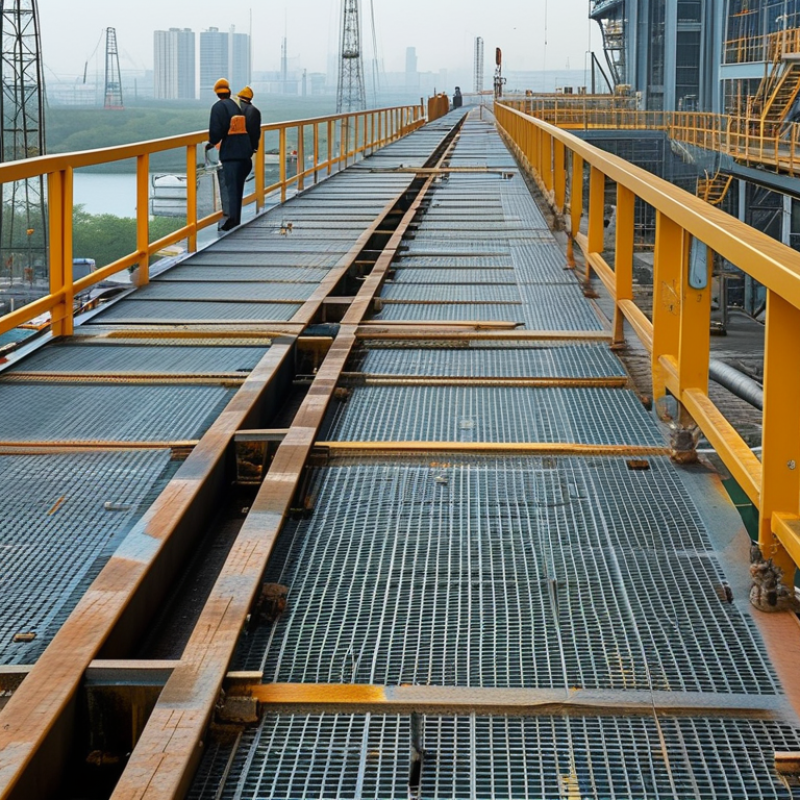
Catwalk Steel Grating supports safe, elevated access where workers must inspect, operate, or maintain equipment. It appears across factories, power plants, water-treatment facilities, warehouses, and offshore platforms. Its open steel surface lets rain, oil, dust, and small debris pass through. That feature can reduce pooling underfoot, although drainage alone cannot prevent every slip.

The World Steel Association’s World Steel in Figures 2024 reports approximately 1.89 billion tonnes of crude steel production in 2023. This scale reflects steel’s continuing importance in industrial construction. However, material volume does not guarantee a reliable walkway. Bar spacing, load capacity, span, surface treatment, and support spacing require professional evaluation. ANSI/NAAMM MBG 531 provides recognized guidance for metal bar grating selection and fabrication. OSHA’s 29 CFR 1910.22 also requires walking-working surfaces to remain clean, orderly, and safe.

A properly specified catwalk creates a firm route above conveyors, tanks, pipelines, and production lines. Workers can reach valves without crossing cluttered floors. Maintenance teams gain clearer access around pumps and motors. Serrated bearing bars may improve traction near wet process areas, but footwear and housekeeping still matter.

Small details matter.

Hot-dip galvanizing can improve corrosion resistance in outdoor or humid environments. Stainless steel may suit aggressive chemical conditions, but its higher cost needs justification. Real projects are rarely perfect. A grate may be strong enough yet poorly supported. A layout may meet drawings yet hinder tools, ladders, or emergency movement. This is why experienced engineers verify site conditions, local codes, loading data, and maintenance habits before approving Catwalk Steel Grating for service.
What Is Catwalk Steel Grating Used For?

Definition and Core Features of Catwalk Steel Grating

What Is Catwalk Steel Grating Used For?

Definition and Core Features of Catwalk Steel Grating

Catwalk steel grating is a modular walking surface made from parallel bearing bars and crossbars. The bars form open panels instead of a solid plate. This design allows rain, oil, dust, and light to pass through. In factories, workers use it for elevated walkways, inspection platforms, stairs, and service bridges. It provides stable footing while keeping equipment below accessible.

Bearing bars carry most of the load, while crossbars maintain spacing and improve panel rigidity. Common panels use welded, press-locked, or riveted joints. Surface options include plain, serrated, and perforated profiles. Serrated teeth can improve traction when footwear is wet or oily. Panel depth, span, load rating, and support spacing must match the project drawings. A visual check alone is not enough.

Steel grating supports ventilation and drainage with relatively low material weight. Galvanized or coated surfaces can slow corrosion in demanding environments. However, protection is not permanent. Cut edges, damaged coatings, and trapped debris need regular inspection. A small alignment error can create an annoying trip point. Fasteners also require attention near vibration or moving machinery. Designers should verify applicable safety codes, guardrails, toe boards, and live loads before fabrication. It is easy to focus on strength and overlook drainage or maintenance access.

What Is Catwalk Steel Grating Used For? - Definition and Core Features of Catwalk Steel Grating

Data Dimension Typical Information Practical Significance
Definition A raised walkway or working platform made from load-bearing steel grating panels. Provides safe access above equipment, floors, tanks, pipes, and process areas.
Primary Use Personnel access, inspection, maintenance, operation, and emergency movement. Allows workers to reach elevated or obstructed areas without walking on pipes or machinery.
Common Material Carbon steel is common; stainless steel and aluminum may be selected for specific environments. Material selection depends on load, corrosion exposure, temperature, hygiene, and project requirements.
Surface Protection Hot-dip galvanizing is widely used for carbon-steel grating; painted or untreated surfaces are also possible. Coatings help reduce corrosion and extend service life, especially in outdoor or humid locations.
Load-Bearing Structure Bearing bars carry the main load, while cross bars connect and stabilize the panel. Bearing-bar size, spacing, span, and support conditions determine the allowable load.
Open-Grating Design Open spaces between bars allow light, air, water, snow, and small debris to pass through. Improves drainage and ventilation while reducing standing water on the walking surface.
Slip Resistance Plain surfaces are suitable for many areas; serrated bearing bars provide additional grip in wet or oily conditions. The surface pattern should match the expected moisture, oil, footwear, and cleaning conditions.
Typical Locations Factories, power facilities, water-treatment plants, warehouses, bridges, roofs, and industrial platforms. Catwalks provide organized access in facilities where floor-level routes are limited or unsafe.
Safety Components Handrails, midrails, toe boards, stairs, kick plates, gates, and suitable supports may be included. These components help control falls, dropped objects, access points, and changes in elevation.
Drainage and Ventilation The grating remains largely open rather than forming a continuous solid deck. This can help prevent puddles and preserve airflow around equipment and elevated work areas.
Installation Panels are supported by beams or frames and secured with clips, clamps, bolts, or other approved fasteners. Proper support and fastening reduce movement, vibration, and panel displacement during use.
Maintenance Benefit Modular panels can generally be removed or replaced individually when access or repairs are required. Maintenance work can be simplified without replacing an entire platform.
Design Considerations Span, uniform load, concentrated load, deflection, bar spacing, access openings, and environmental exposure. A qualified designer should verify structural capacity and safety requirements for the intended installation.
Core Advantages High strength-to-weight efficiency, airflow, drainage, visibility, modularity, and relatively low maintenance. These features make steel grating suitable for durable industrial walkways and elevated service platforms.

Common Industrial and Commercial Applications

What Is Catwalk Steel Grating Used For?

Common Industrial and Commercial Applications

Catwalk steel grating creates raised walkways in factories, warehouses, power facilities, and water treatment plants. Its open design allows light, air, and spilled liquids to pass through. Workers can reach pumps, valves, tanks, and elevated equipment without blocking floor space. The surface also provides useful traction in damp areas, especially when serrated bearing bars are selected. In commercial buildings, grating supports service platforms, rooftop access paths, mezzanines, and ventilation equipment areas. It is strong, but not weightless. Engineers must check span, load ratings, support spacing, and local safety requirements before installation.

In industrial settings, steel grating also forms stair treads, maintenance bridges, drainage covers, and equipment platforms. Galvanized finishes can help resist outdoor moisture, while painted or specialized finishes may suit controlled environments. However, corrosion protection is not permanent. Chemical exposure, standing water, and damaged coatings require regular inspection. One loose panel can create a serious trip hazard. That detail is easy to underestimate.

Tips: Measure the clear opening carefully. Confirm panel direction before cutting. Bearing bars should usually carry the main load between supports. Use locking clips or approved fasteners to prevent movement. Inspect welds, edges, and support members after installation. For areas handling small tools or fine materials, consider close-mesh grating to reduce falling-object risks. A fully open surface may improve drainage, yet it can be unsuitable above occupied workspaces. This is where practical judgment matters.

How Catwalk Steel Grating Supports Safe Access

What Is Catwalk Steel Grating Used For?

How Catwalk Steel Grating Supports Safe Access

Catwalk steel grating creates elevated walkways for inspection, maintenance, and routine access. Its open construction lets rain, oil, dust, and small debris pass through. That drainage can reduce pooling on outdoor platforms. However, it does not remove every slip risk. A wet shoe can still lose traction.

The U.S. Bureau of Labor Statistics reported 211,640 nonfatal workplace cases involving falls, slips, and trips in 2022. This figure shows why access platforms need more than strong steel. They need thoughtful design. Grating panels should provide suitable load capacity, stable support, and consistent spacing. The Occupational Safety and Health Administration requires walking-working surfaces to support their maximum intended load and remain clean, orderly, and sanitary under 29 CFR 1910.22.

Guardrails, toe boards, safe stairs, and controlled entry points complete the system. Workers should not step across unsupported gaps. They also need clear lighting around joints, changes in elevation, and service equipment. A compliant design can still feel awkward. That deserves review.

In practical use, engineers inspect welds, clips, corrosion, panel movement, and blocked openings. Maintenance teams should record findings after storms, chemical exposure, or heavy equipment work. Serrated surfaces may improve grip, but they can catch soft footwear and complicate cleaning. The right choice depends on footwear, contamination, span, loading, and local regulations. Safety is designed into the route, not added afterward.

What Is Catwalk Steel Grating Used For?

How Catwalk Steel Grating Supports Safe Access

Catwalk steel grating provides a strong, lightweight walking surface for industrial platforms, maintenance walkways, stairs, mezzanines, and elevated access routes. Its open design allows water, snow, oil, and debris to pass through, while properly designed guardrails help reduce fall risks. The reference dimensions shown are based on OSHA general-industry requirements for fixed walking-working surfaces and guardrail systems.

Reference: OSHA 29 CFR 1910.28 and 1910.29. Final grating selection must be verified against span, load, bearing-bar size, environment, and local regulations.

Key Design and Material Selection Considerations

What Is Catwalk Steel Grating Used For?

Catwalk steel grating provides a raised walking surface in factories, plants, warehouses, and service areas. It supports workers while allowing light, air, water, and debris to pass through. Common applications include maintenance platforms, stair treads, inspection walkways, drainage covers, and equipment access routes.

Key design and material selection considerations begin with the expected load. Engineers should assess worker traffic, tools, carts, vibration, and occasional maintenance equipment. Span length also matters. Longer spans may require deeper bearing bars or additional supports. Small openings can reduce trip risks and help prevent tools from falling. They may also restrict drainage, however. This trade-off deserves careful review.

Surface protection affects service life. Hot-dip galvanized carbon steel suits many outdoor and industrial environments because it resists corrosion and mechanical wear. Stainless steel may perform better near chemicals, salt, or persistent moisture, but its higher cost needs justification. Serrated surfaces improve grip when oil, rain, or ice is possible. They can feel harsh under thin footwear. That detail is easy to overlook.

Connection design is equally important. Welded clips provide stability, while removable fasteners support inspection and replacement. Every panel should fit securely without creating loose edges. Local building codes, load standards, fire conditions, and safety rules must guide final selection. A practical design can still be wrong if maintenance access is ignored. Review the details on site.

Installation, Maintenance, and Service Life

What Is Catwalk Steel Grating Used For?

Catwalk steel grating provides safe access across industrial platforms, maintenance routes, stairs, and elevated walkways. Its open surface allows water, oil, dust, and light snow to pass through. This can reduce standing moisture around the walking area.

Installation begins with checking the span, load rating, and support spacing. Bearing bars must rest securely on structural supports, with adequate seating at every end. Installers should align panels before tightening clips or bolts. Anti-slip surfaces help in wet areas. Small gaps may be required for thermal movement, but careless spacing creates trip hazards. Field measurements matter more than assumptions.

Maintenance requires scheduled visual inspections. Look for corrosion, bent bars, cracked welds, loose fasteners, and damaged support frames. Remove compacted dirt from beneath the grating, especially near drains and chemical handling areas. A wire brush may remove light rust, but deeper section loss needs engineering assessment. Do not simply repaint weakened steel. That hides the problem. One practical weakness is inspection access; hidden supports can deteriorate unnoticed.

Service life depends on steel thickness, protective coating, traffic, moisture, chemicals, and installation quality. Hot-dip galvanizing can improve corrosion resistance, but it is not permanent protection. Coastal air and aggressive industrial liquids may shorten performance. Keep drainage open and repair coating damage early. Record inspection dates, defects, repairs, and loading changes. No service-life estimate should be treated as guaranteed, because site conditions often change.