
 عربي
 عربي
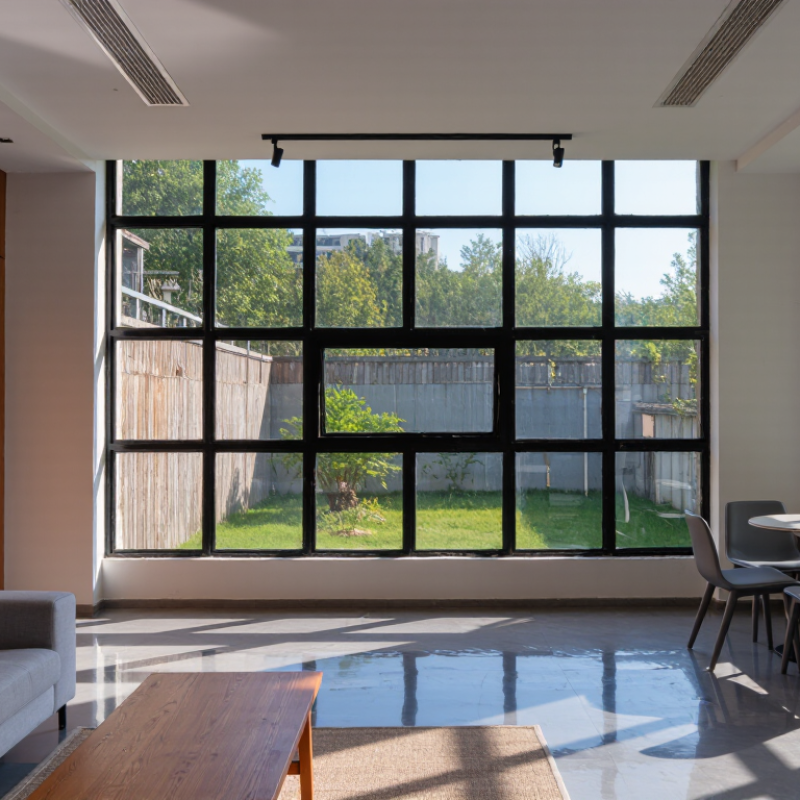
10 Best Picture Windows for Modern Homes?
Key Features That Determine Picture Window Quality
A high-quality picture window begins with measured thermal performance, not a dramatic frame. The U.S. Department of Energy reports that windows can account for 25–30% of residential heating and cooling energy use. U-factor indicates heat transfer; lower values usually mean better insulation. In cold climates, a lower U-factor can reduce interior surface chill beside the glass.
Solar Heat Gain Coefficient matters just as much. Lower SHGC can limit summer overheating, while moderate values may provide useful winter warmth. The right figure depends on orientation, shading, and local weather. Visible transmittance affects daylight, but brighter glass can increase glare. Small details matter. Check the full rating label.
Quality also depends on glazing construction and installation. Double glazing is common, while triple glazing may improve comfort in severe climates. Low-emissivity coatings and inert gas fills can reduce radiant heat movement, though performance may decline if seals fail. The National Fenestration Rating Council uses standardized ratings for U-factor, SHGC, visible transmittance, and air leakage. Compare those values across the same product size.
Frame material affects durability, condensation risk, and sightlines. A narrow frame may look elegant but offer less structural stiffness. Air leakage deserves attention, especially around large fixed units. The DOE identifies installation as a major factor in real-world efficiency. Even excellent glass performs poorly with gaps, uneven shims, or weak flashing. I would inspect the perimeter carefully. Ratings are useful, but they are not the whole window.