


News & Blogs

What Is an Asphalt Melting Device and How Does It Work?

Cold, hardened asphalt can be difficult to handle when a repair needs only a small, workable quantity. An Asphalt Melting Device heats solid or reclaimed asphalt so it softens for placement, patching, or related maintenance tasks. These units vary in size and design, from compact equipment for localized work to larger systems used at busy job sites. The right choice depends on the material, required output, and working conditions.

Heat matters. In a typical device, asphalt is loaded into a heated chamber or vessel. A burner or electric element supplies heat, while the chamber helps transfer it through the material. Operators monitor temperature and heating time, then discharge the softened asphalt when it reaches a workable consistency. Controls, insulation, and mixing features vary by model, so manufacturers’ operating instructions should guide use. Asphalt should be heated carefully; excessive heat can affect its properties and create avoidable fumes.

The process sounds straightforward. It is not always. A cold outdoor environment, uneven pieces, or an overloaded chamber can slow heating and produce inconsistent results. This article explains the main components, common operating steps, and practical factors that influence performance. It also considers maintenance and safe handling, since clean equipment and attentive operation matter as much as heating capacity. Details matter. Knowing how the device works helps crews assess whether it suits a particular repair, rather than assuming every model performs the same way.
What Is an Asphalt Melting Device and How Does It Work?

What an Asphalt Melting Device Is

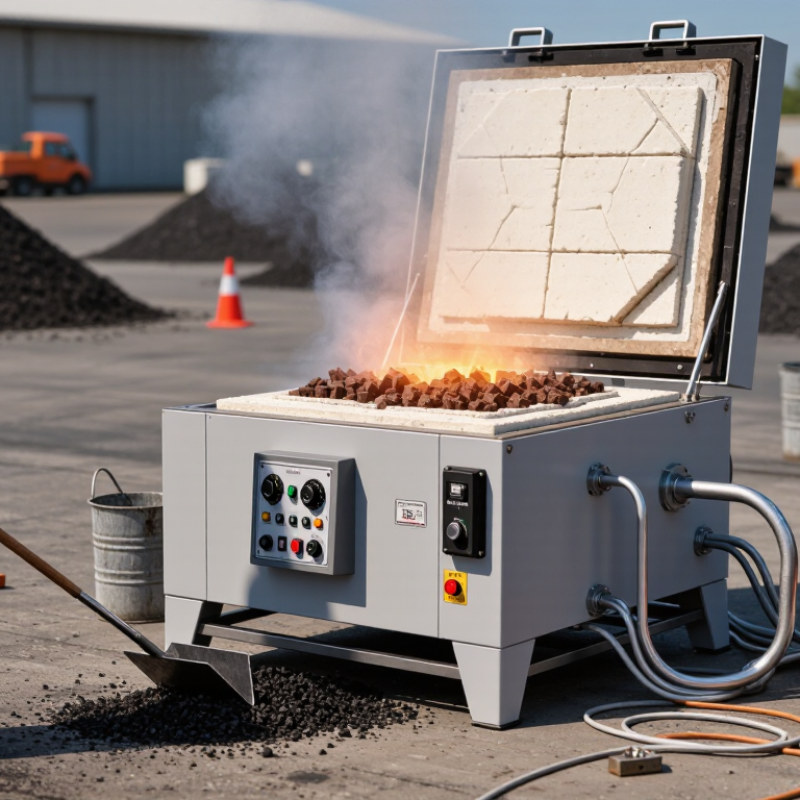
An asphalt melting device is a heated vessel or machine that softens solid asphalt into a workable material. It holds asphalt pieces in a metal chamber while controlled heat raises their temperature. Some units use burners; others use electric heating elements. Insulation helps retain heat, while a gauge or thermostat lets the operator monitor temperature. A valve or pump may then transfer the softened asphalt to the repair area. Designs vary, and not every machine handles every asphalt product. That distinction matters.

Tips: Check the equipment’s stated capacity and temperature range before loading it. Add material as directed, and keep the work area clear. Small details count.

During operation, heat must spread through the asphalt rather than scorch its outer layer. Some machines use agitation to improve consistency; others rely on careful heating and time. The material should be checked before use, since unevenly heated asphalt can be difficult to apply. A melting device does not automatically make old or contaminated material suitable for reuse. In practice, operators also need to account for weather, batch size, and the machine’s condition. A gauge can help, but it is not a substitute for inspection. That part is easy to overlook.

Key Components and Their Functions

An asphalt melting device heats solid or semi-solid asphalt until it can be poured or pumped for maintenance work. Its main body is an insulated steel kettle or tank. Insulation slows heat loss and helps reduce uneven heating near the walls. A burner or electric element supplies heat, while a temperature sensor tracks conditions inside the unit. Heat needs control. Asphalt can become too thin or overheat if operators rely only on appearance.

Many units include an agitator that moves the material and helps distribute heat. It can also bring cooler asphalt away from the tank floor, where thick residue may collect. A lid limits debris and helps retain heat; vents direct combustion gases away from the work area on fuel-fired models. The outlet valve or heated hose carries softened asphalt to a crack or repair site. Keep it clear. A blocked line can cool and harden quickly. The temperature display is useful, but it may not show every hot or cool spot in a large tank. Operators should follow the equipment manual, check material condition, and use heat-resistant gloves and face protection. Even with good controls, the process still depends on judgment. That is easy to underestimate.

Materials Processed by the Device

An asphalt melting device processes solid bituminous materials into a workable liquid. Typical feed includes asphalt blocks, bitumen slabs, and clean, compacted lumps from maintenance work. Some equipment can handle roofing asphalt, provided its design and temperature settings suit that material. Check the grade. Different formulations soften and flow at different temperatures.

Feed size matters. Large chunks may take longer to heat, while small, dry pieces usually melt more evenly. In practice, pieces are seldom uniform. Operators may need to sort out debris and break oversized material into manageable sections. Moisture is a concern: wet feed can spit or release steam when heated. Keep the material dry and load it according to the equipment’s operating instructions.

These devices melt bitumen, not every component of old pavement. Stone aggregate, soil, and ordinary concrete do not turn into usable asphalt binder in the heating chamber. Heavily contaminated or unknown material can also affect the melt’s quality. That part is easy to overlook. Before processing reclaimed material, check what it contains and whether it is suitable for the intended application. A consistent feed generally produces a more predictable melt, though real-world batches can still vary.

What Is an Asphalt Melting Device and How Does It Work? - Materials Processed by the Device
Material Typical Supplied Form How the Device Processes It Important Handling Considerations
Paving-grade bitumen Solid blocks, slabs, or chunks Heat transfers to the solid binder until it becomes sufficiently fluid for pumping, storage, or use in an asphalt-production process. Heating rate and target temperature depend on the binder grade and equipment design. Avoid overheating, which can accelerate binder aging.
Packaged bitumen Bitumen blocks or pellets enclosed in heat-compatible packaging The material is heated in a compatible melting chamber; packaging is removed, softened, or handled according to the equipment and packaging specifications. Only use packaging approved for the melter. Some packaging materials must be removed before heating and should not be assumed to melt safely with the bitumen.
Drummed bitumen Bitumen packed in steel drums A drum melter heats the drum and its contents, commonly using an indirect heating arrangement, so the binder can be discharged when fluid. Use equipment designed for the drum type and size. Follow procedures for safe drum opening, hot-material discharge, and temperature control.
Oxidized bitumen for roofing Solid blocks or packaged material A suitable kettle or melter heats the roofing-grade binder until it reaches the consistency required for the roofing process. Roofing grades can have different softening and application characteristics from paving grades. Confirm material compatibility and the specified operating temperature.
Reclaimed asphalt pieces Selected, relatively small pieces of old asphalt pavement Only a purpose-designed system may heat reclaimed asphalt. Depending on the process, heat softens the aged binder or prepares the material for further recycling. Many bitumen melters are not designed for reclaimed pavement. Feed size, aggregate content, moisture, and system design affect suitability; wet material can create serious hazards around hot equipment.

An asphalt melting device applies controlled heat to solid or packaged asphalt binder to make it workable. The materials accepted, heating method, and operating limits vary by equipment design; always follow the material and equipment specifications.

How Asphalt Is Heated and Melted

An asphalt melting device heats solid or semi-solid asphalt until it can flow for transfer or use. The material sits in a heated vessel, where electric elements or a burner warm the vessel walls. In many systems, thermal oil circulates through a jacket or coil, reducing direct contact with the heat source. Heat moves slowly.

As the asphalt softens, operators monitor both temperature and flow. A surface reading alone can be misleading: the outer layer may be hot while the center remains stiff. Gentle circulation helps even out the temperature, though thick material can still heat unevenly. Excessive heat or long holding times may age the binder, so controlled heating matters. Asphalt does not have one universal melting point; its softening and flow depend on binder grade and composition.

The National Asphalt Pavement Association’s Warm-Mix Asphalt: Best Practices reports production temperatures about 30–100°F (17–56°C) below conventional hot-mix asphalt temperatures. That range concerns asphalt production, not a universal setting for melting devices. It does show why temperature control matters: processes can require different heat levels. In practice, the correct setting depends on the material and equipment. A useful check is steady flow without scorching or smoke. The judgment can be imperfect. Verify it with measured temperatures and the material supplier’s handling guidance.

What Is an Asphalt Melting Device and How Does It Work?

A typical heating profile as asphalt is warmed and softened. Asphalt does not have one precise melting point; the temperature needed for flow depends on its grade and the equipment.

Illustrative temperatures, not equipment specifications. Asphalt is commonly heated to roughly 150–180°C for hot-mix applications; the required temperature varies with material and process.

Common Uses and Operating Considerations

An asphalt melting device heats compatible solid asphalt products until they can be applied as liquids or workable compounds. Many units use a burner or electric element, an insulated tank, and sometimes an agitator to distribute heat. Common uses include crack sealing, joint repair, and small-area patching with suitable hot-applied materials. These machines do not melt road pavement or process bulk reclaimed asphalt. Small batches matter.

Operating conditions affect both safety and repair quality. Follow the material’s specified temperature range, and check the contents—not only the tank wall—with a suitable thermometer. Excess heat can degrade some sealants, while uneven heating may leave cold lumps that block the hose. Keep the unit on stable ground, use protective clothing, and work where fumes can disperse. The waiting feels inefficient, but rushing a cold load can produce uneven flow.

NAPA’s 2023 Asphalt Pavement Industry Survey estimated that 94.6 million tons of reclaimed asphalt pavement were reused in 2022. That figure describes industry-wide recycling, not melter capacity; it provides context for maintenance practices rather than device performance.

Tips: Load measured quantities and stir when the equipment allows. Clean the tank and delivery line after use, following the material instructions. A tidy temperature reading can still mislead if the center remains cool, so allow time for the whole batch to heat evenly.