
 عربي
 عربي
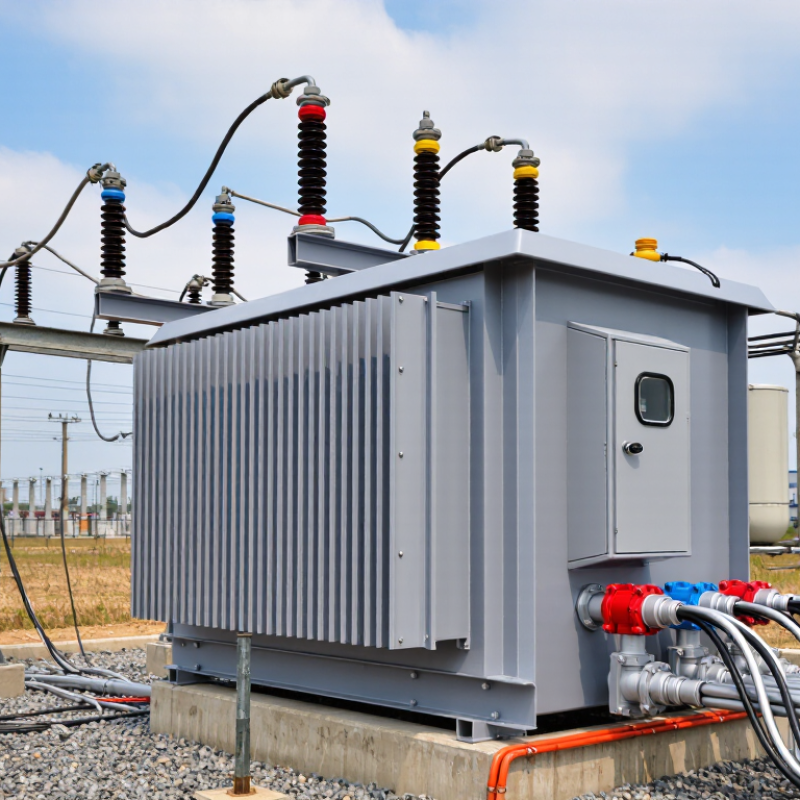
5 Tips for 11kV to 400V Distribution Transformer
Installation Requirements for Safe and Reliable Operation
A safe 11kV to 400V transformer installation begins with a verified design, not the nameplate alone. Confirm rated power, impedance, vector group, tap range, short-circuit duty, and site altitude. IEC 61936-1 requires suitable clearances, earthing, access control, and protection for high-voltage installations. Keep cable routes short, supported, and clearly identified. Small mistakes become expensive faults.
Provide a low-resistance protective earth and bond the tank, neutral point, cable screens, and metal structures. Install surge protection, correctly rated fuses or breakers, and visible isolation points. The U.S. Department of Energy reports that distribution transformer losses represent roughly 2.5% of electricity consumption, so loading and ventilation deserve attention. Leave space around radiators and avoid blocked airflow. Oil-filled units need bunding, drainage control, and fire separation where local rules require them. Dry-type units still need dust-free ventilation. They are not maintenance-free.
Before energizing, test insulation resistance, winding ratio, polarity, phase sequence, earth continuity, and protection settings. Record results. Compare them with factory and commissioning values. Thermographic checks after loading can reveal loose joints or uneven phases. I have seen tidy installations fail because one neutral connection was overlooked. That detail matters. Recheck torque, labels, barriers, and interlocks after the first operating cycle. CIGRE guidance also supports condition monitoring, especially for heavily loaded or aging transformers. A perfect drawing is not proof of a safe installation.